.svg)

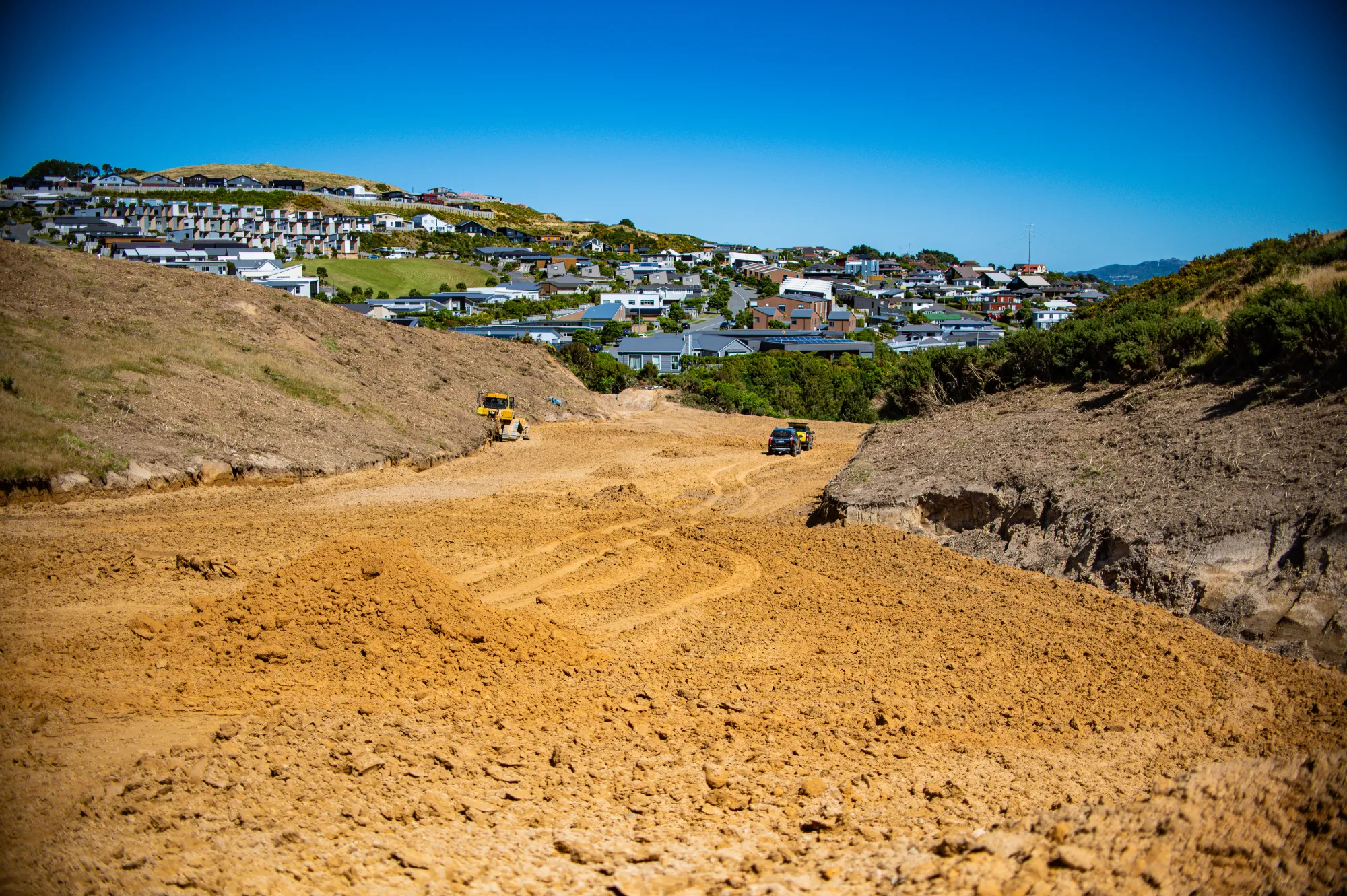
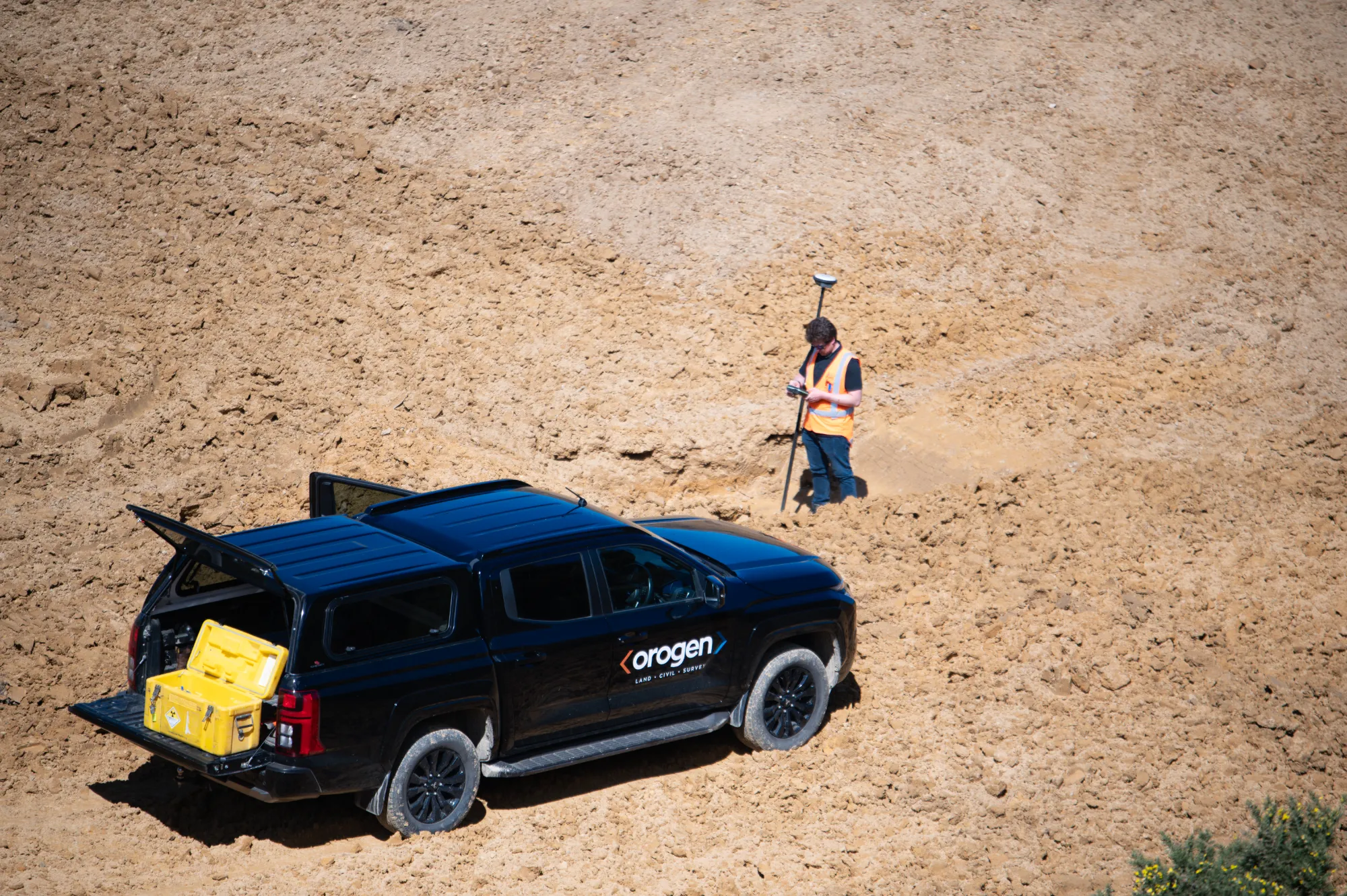
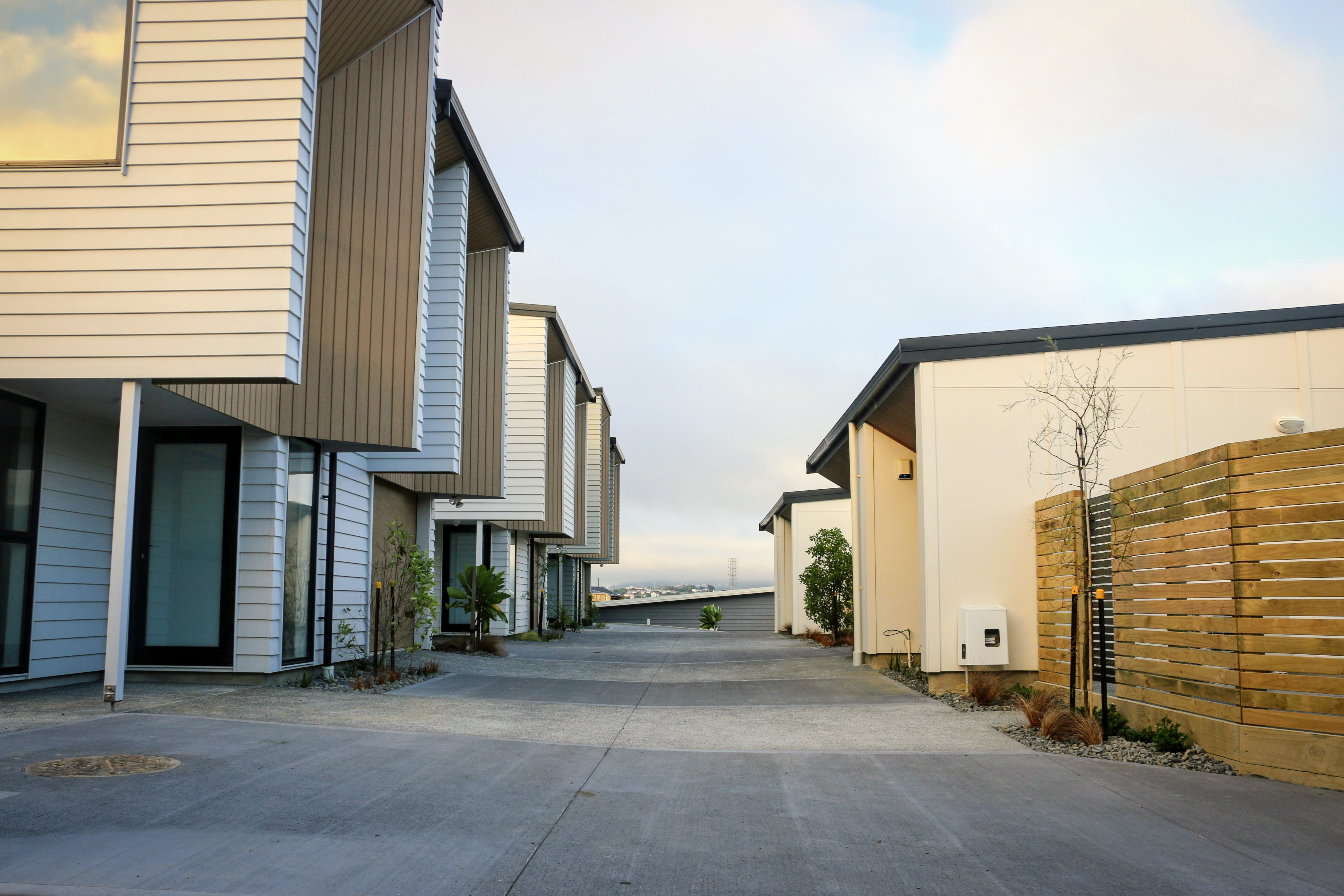
Earthworks design establishes how a site's terrain will be reshaped to suit development - creating building platforms, access ways, retaining features, and drainage paths. It involves 3D landform modelling, cut and fill balance analysis, and the preparation of earthworks drawings and specifications that contractors can build from. Getting the earthworks resolved correctly is typically the most consequential design decision on a development project.
Earthworks are usually the largest single cost item in a land development - and the one most vulnerable to budget blowouts when the design is poorly resolved. An unbalanced cut-fill calculation means importing or exporting material at significant expense. A platform designed without drainage in mind creates problems at construction stage. A senior engineer who visits the ground early and thinks through the earthworks strategy properly protects your budget at every subsequent stage of delivery.
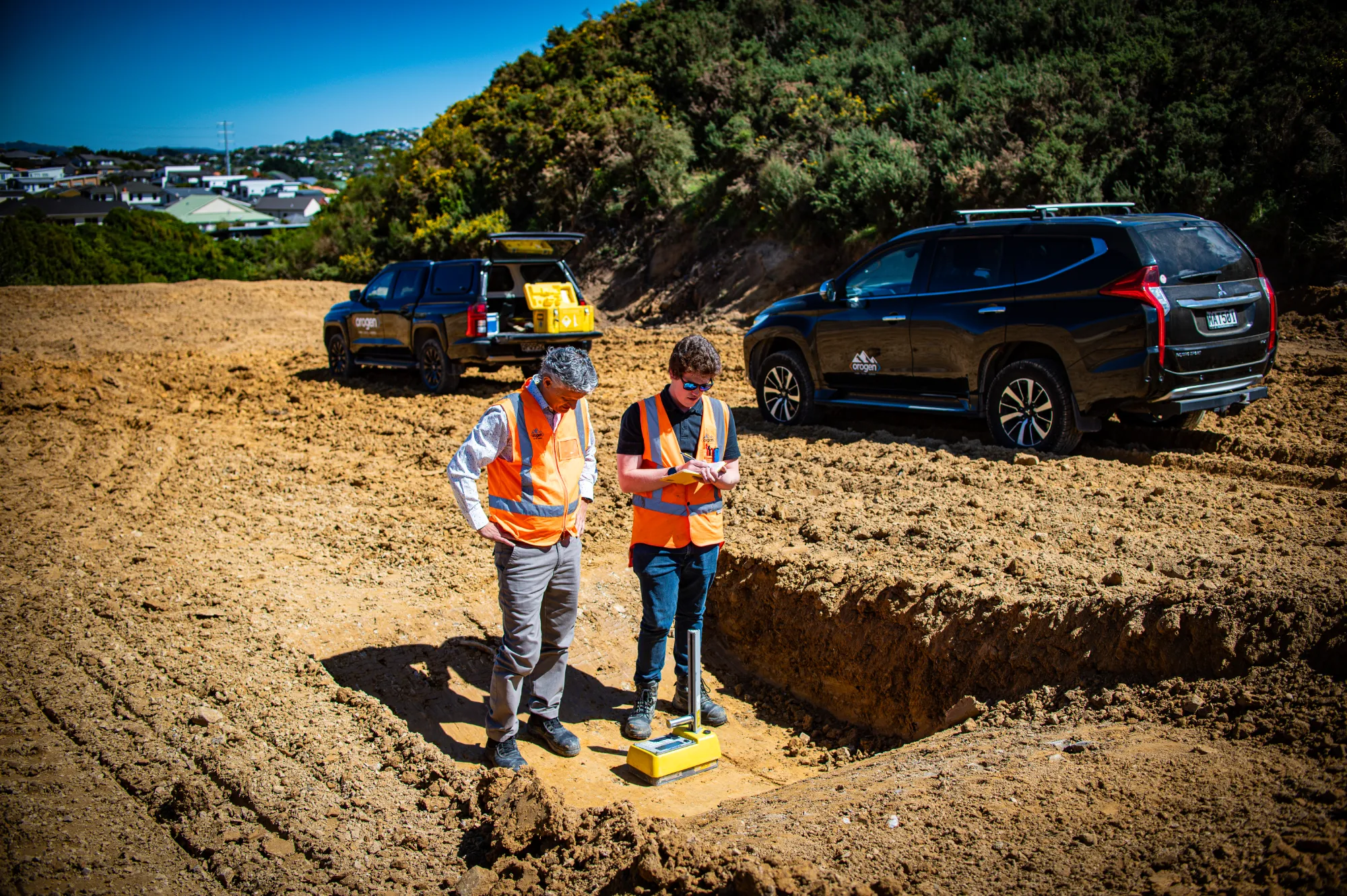
We build 3D landform models from topographic survey data and work through cut-fill balance to minimise material import and export costs. We design platforms and access ways that are constructible - accounting for slope stability, retaining requirements, and drainage paths - and produce earthworks drawings clear enough for contractors to price and build from. We integrate the earthworks design with soil management and ESC requirements from the outset, so the disciplines work together rather than creating conflicts on site. On complex or large-scale sites, a senior engineer visits the ground during design - because seeing the terrain leads to the most constructible solutions.