Three Waters

Stormwater, wastewater, and water supply engineering for land development and infrastructure, from flood modelling to pump station design and network connections.
Talk to Us
This is some text inside of a div block.

Water is fundamental to every development, and managing it is increasingly complex. New Zealand's three waters (stormwater, wastewater, and water supply) infrastructure must be designed to meet council standards, managed to protect downstream environments, and maintained to serve communities reliably over the long term.

Orogen's three waters team designs and delivers water infrastructure for land developments of all scales, from single-lot connections to major reticulation networks and pump stations. We model flood behaviour, design treatment and detention systems, engineer gravity sewer networks, and size water supply systems for both domestic use and firefighting. We work with Wellington Water, Kāpiti Coast District Council, Horizons Regional Council, and other Councils and network operators to navigate approvals and get infrastructure accepted into the public network.

When water needs to go somewhere or stay somewhere - we find the path.
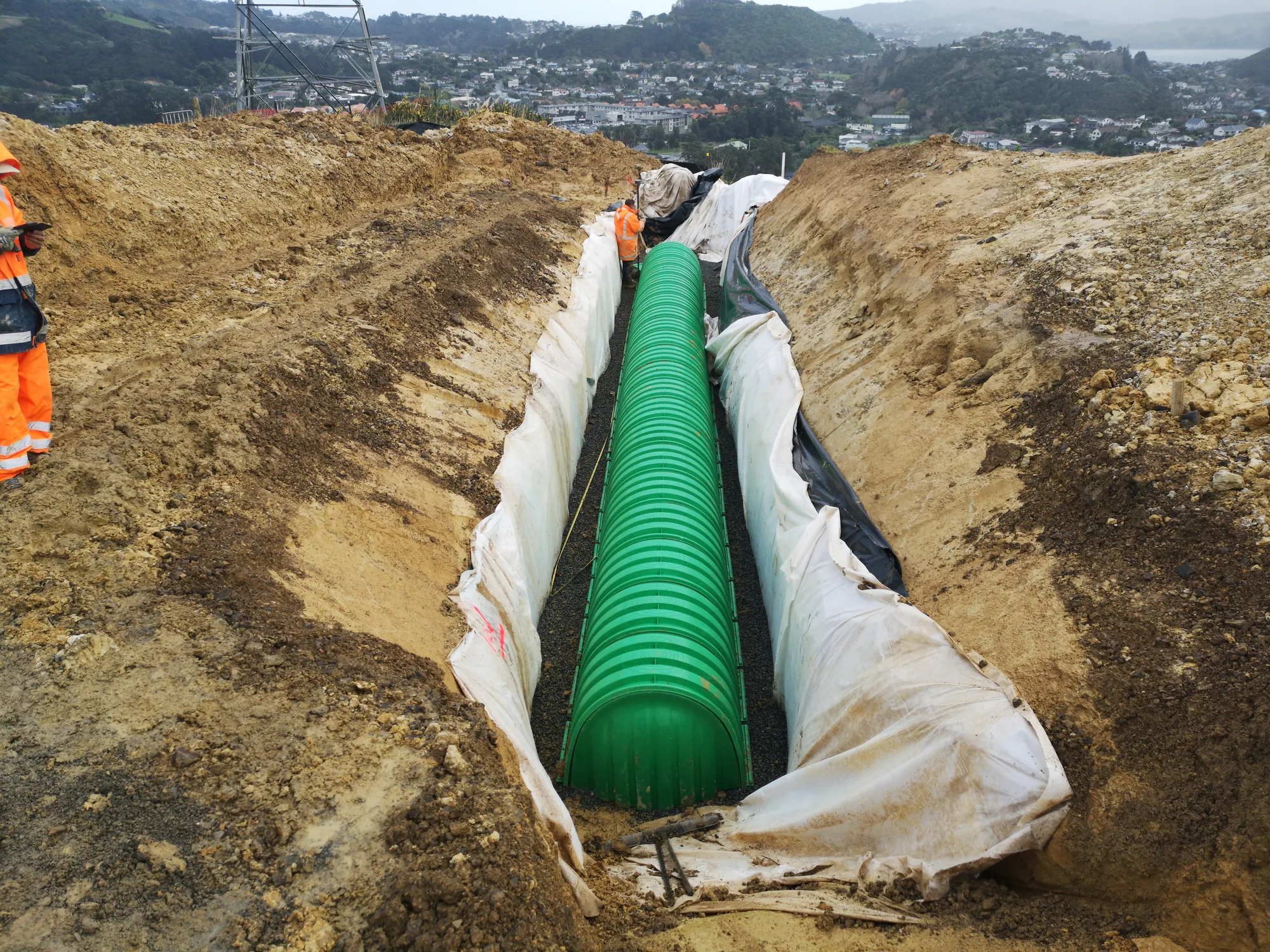
IMG 20200630 101458
Client feedback
"Accurate field survey, clean data, and drawings to match — Orogen are the survey and civil engineering team I rely on."
Kyle Christensen - Principal Engineer, Christensen Consulting Ltd
Three Waters

FAQ

Every site is different and there can be a lot of moving parts, but the questions are often the same. Here's what clients ask us most.
Talk to Us
What does three waters engineering cover?

Three waters refers to stormwater, wastewater (sewerage), and potable water supply. Orogen designs the three waters infrastructure required to service new developments, connects it to existing networks, obtains the necessary approvals from network operators, and certifies the completed infrastructure for council vesting.

Why is three waters infrastructure critical to a land development project?

Without water supply, wastewater disposal, and stormwater management, a development cannot proceed. Three waters infrastructure is often on the critical path of a project, as network operators have long approval lead times and construction can be complex. Orogen's experience in three waters design means we start the approvals process early and keep the project moving.

What standards does Orogen design three waters infrastructure to?

We design to the network operator's engineering standards, which typically reference the Water New Zealand guidelines, the relevant infrastructure design manual (IDM), and any specific council or network requirements. Standards vary between Wellington Water, Watercare, and local councils, and Orogen maintains current knowledge of each.

What happens when the existing network does not have capacity for a new development?

Where the existing stormwater, wastewater, or water supply network cannot accommodate the additional flows from a new development, a network upgrade is required. This may be at the developer's cost or may be a shared cost with the council. Orogen's engineers assess the capacity of the existing network at the feasibility stage so you know about this cost before committing to the project.

How does Orogen integrate three waters design with roading and earthworks?

Three waters infrastructure typically runs within road corridors, so the design must coordinate with roading, kerb lines, and footpath layouts. Orogen's integrated team designs all three simultaneously, resolving conflicts at the drawing stage rather than on the construction site.

Can Orogen manage resource consents for three waters discharges?

Yes. Stormwater and wastewater discharges to waterways or the coastal environment require resource consent from the regional council. Orogen's planners and engineers work together to prepare discharge consent applications that meet the regional plan requirements and provide the technical evidence needed for approval.

How does Orogen approach three waters design to minimise downstream effects?

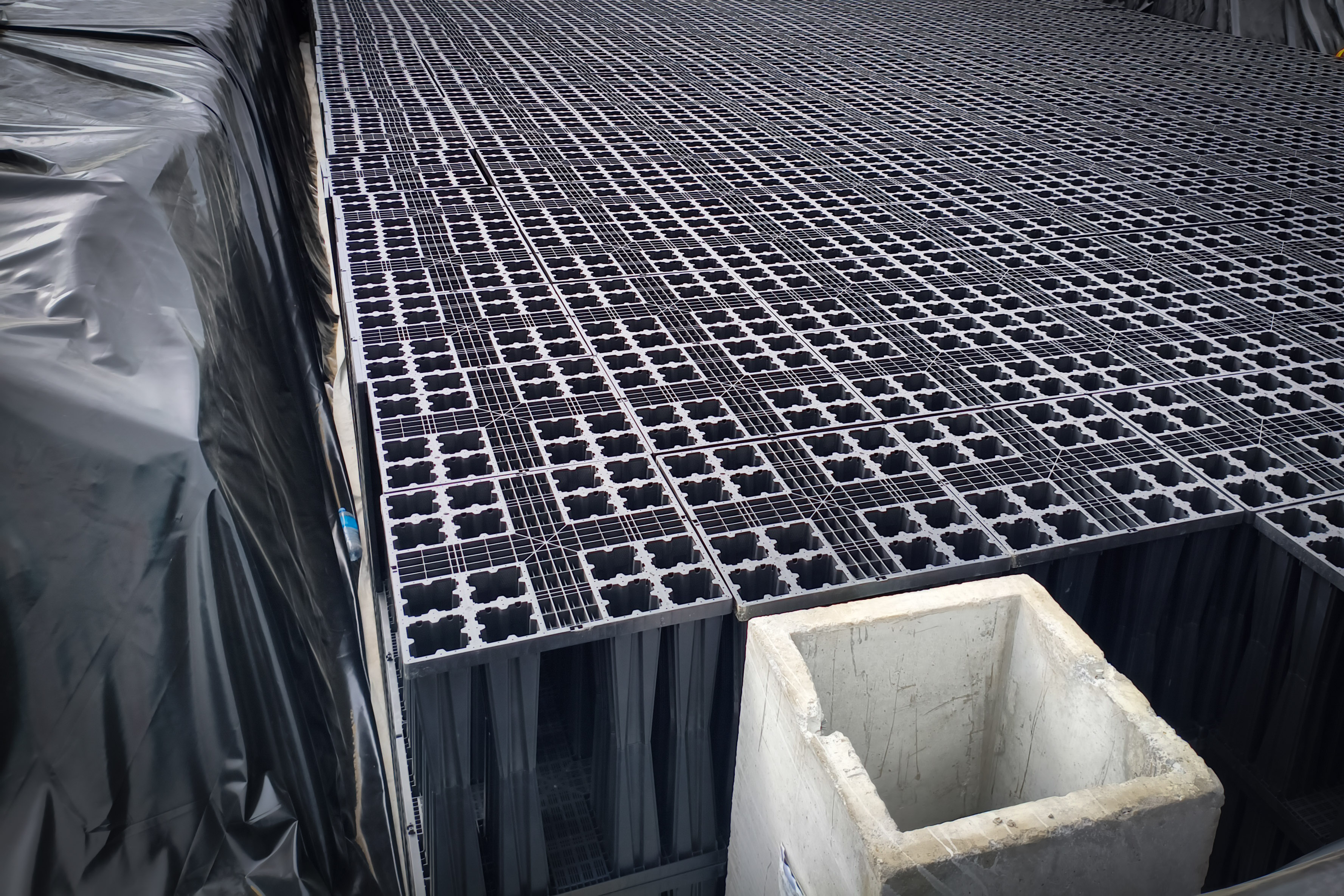
We size stormwater attenuation to limit peak flows to pre-development rates, design treatment devices to meet water quality standards, and model the interaction of the new infrastructure with the receiving environment. The goal is development that does not impose costs or risks on neighbouring properties or the wider catchment.

Stormwater, wastewater, water supply - complex doesn't have to mean slow. - Let's find the path.
Contact Us