
Planning & Resource Consents

Planning & Resource Consent Expertise for Wellington, Kāpiti & Manawatū
Talk to Us
This is some text inside of a div block.

New Zealand’s planning system gives councils broad powers over what you can do with your land. Understanding that system and knowing how to navigate it is what separates a smooth development from one that stalls in process.

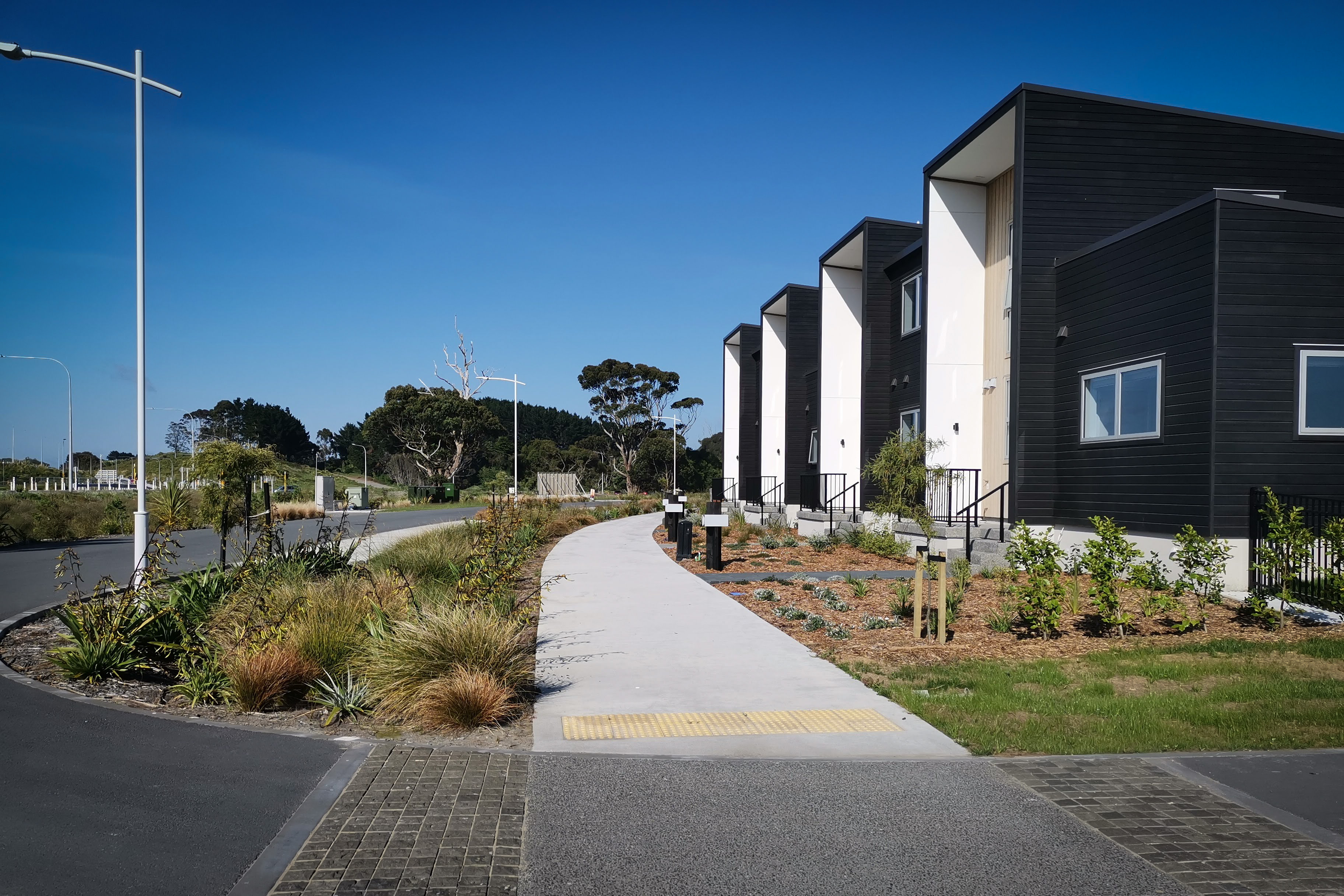
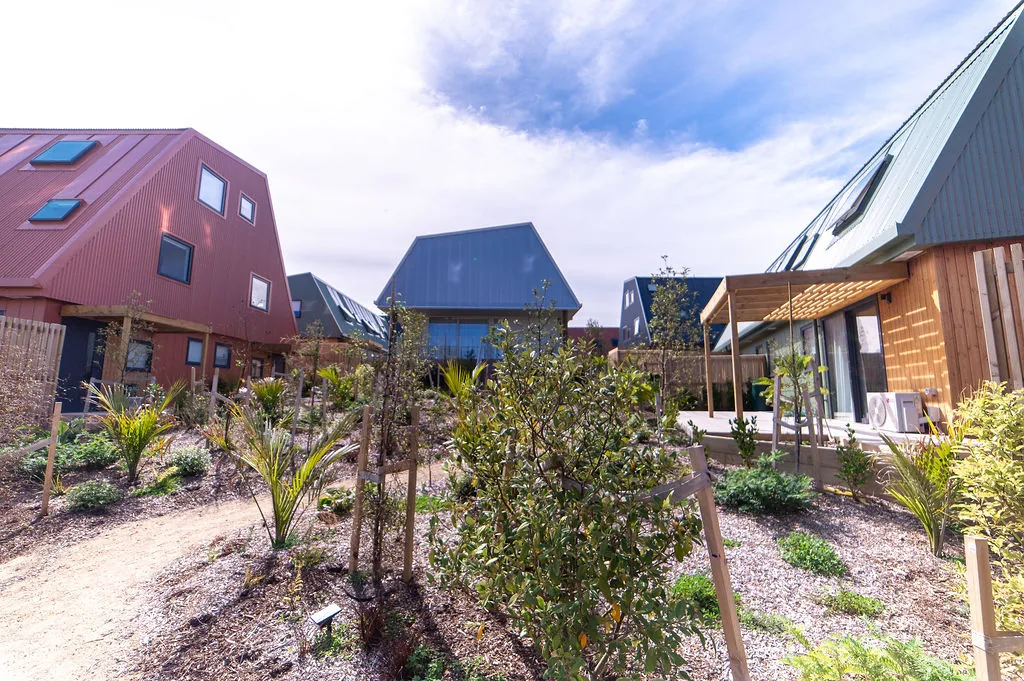
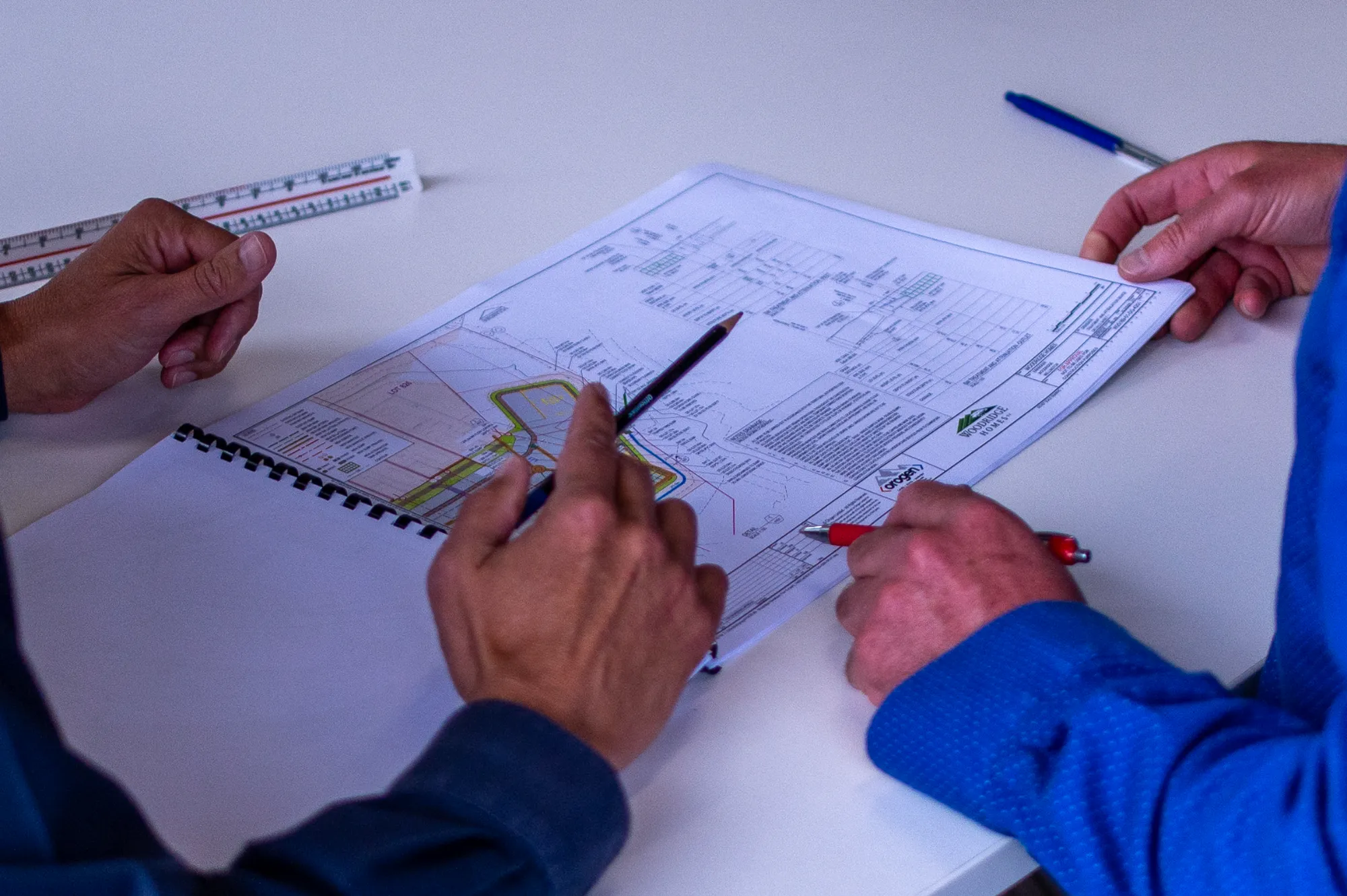
Orogen’s planning team navigates the rules, the regulations, and collaborates with our local councils who we have spent years building relationships with.  We advise on site feasibility, prepare resource consent applications for a variety of land development projects (land use and subdivision) and represent clients through council processes  -  bringing the clarity and confidence that comes from genuinely understanding how approvals are won.

We know how Wellington region councils think, what they look for, and where the sensible compromises are. When the path through the planning system isn’t obvious, we find it.

Orogen Office 33
Orogen Office 59
More about
Planning & Resource Consents
Client feedback
"Orogen rate a particular mention; their responsiveness, attention to detail and collaboration is reflected in the quality of work put forward."
Kevin Beaver, General Manager - Woodridge Homes.
Planning & Resource Consents

The team

Planning & Resource Consents

FAQ

Every site is different and there can be a lot of moving parts, but the questions are often the same. Here's what clients ask us most.
Talk to Us
What does a town planner do on a development project?

A planner interprets the Resource Management Act (RMA) and the relevant district and regional plans to determine what is permitted on your site and what consents are required. On a development project, the planner prepares the resource consent application, manages the relationship with the council, responds to information requests, and works to get your consent granted with workable conditions.

When should I engage a planner?

As early as possible. A planner can tell you quickly whether your project is achievable and what consenting pathway is most appropriate. Early planning advice can save significant money and time by identifying issues before you invest in engineering design or architectural drawings. If you are thinking about developing your land, a planning conversation is the right starting point.

What is the Resource Management Act and how does it affect my project?

The Resource Management Act 1991 (RMA) is the primary legislation governing land use, subdivision, and environmental effects in New Zealand. District plans made under the RMA set the rules for what can be done in each zone. Any development that does not comply with those rules requires resource consent. Orogen's planners understand the RMA and can navigate its requirements on your behalf.

What makes a resource consent application more likely to succeed?

A well-prepared application that accurately describes the proposal, addresses the relevant plan provisions, and provides quality technical assessments of environmental effects. Early engagement with the council through a pre-application meeting is also valuable. Orogen prepares thorough, well-evidenced applications that give your project the best chance of approval with conditions you can work with.

How does Orogen's planning team work with the engineering and survey teams?

Because all three disciplines sit within Orogen, the planner, engineer, and surveyor work from the same plans and share information directly. The engineering and survey work is designed to satisfy the planning conditions, and the planner presents the engineering solutions to the council in the most favourable light. Integrated teams produce better consent outcomes.

What are the most common planning mistakes that delay projects?

Submitting a resource consent application before the design is sufficiently resolved, underestimating the scale of effects on neighbours or the environment, and failing to engage with the council before lodging. Orogen avoids these by preparing thoroughly, seeking pre-application feedback, and managing the council relationship from the start.

Can Orogen manage the entire planning process on my behalf?

Yes. Orogen can act as your planning agent for the full process: initial feasibility, pre-application meeting, preparation and lodgement of the application, managing information requests and hearings, and working through consent conditions. You stay informed at key milestones without needing to manage the day-to-day process yourself.

What's the difference between a resource consent and a building consent?

A resource consent covers planning and environmental matters under the RMA — land use, subdivision, and effects on neighbours or the environment. A building consent is issued under the Building Act and deals with structural safety and compliance with the building code. Many projects need both — we manage the resource consent and can coordinate with your architect or building surveyor on the building consent side.

The council has notified a new plan change — can I still proceed with my project?

Plan changes can affect proposed projects, but there are options. If a change is not yet operative, your application may still be processed under current rules. If it makes your development more restrictive, we can advise on what this means for your specific proposal. We monitor plan changes across Wellington's councils and will flag any that may affect your project.

Resource management is complicated. We make it navigable. - Talk to us.
Contact Us