
Due Diligence and Site Suitability Assessments

Early-stage assessments of what a site can achieve under current district plan rules, giving a clear picture of development potential before committing to design.
Talk to Us
This is some text inside of a div block.

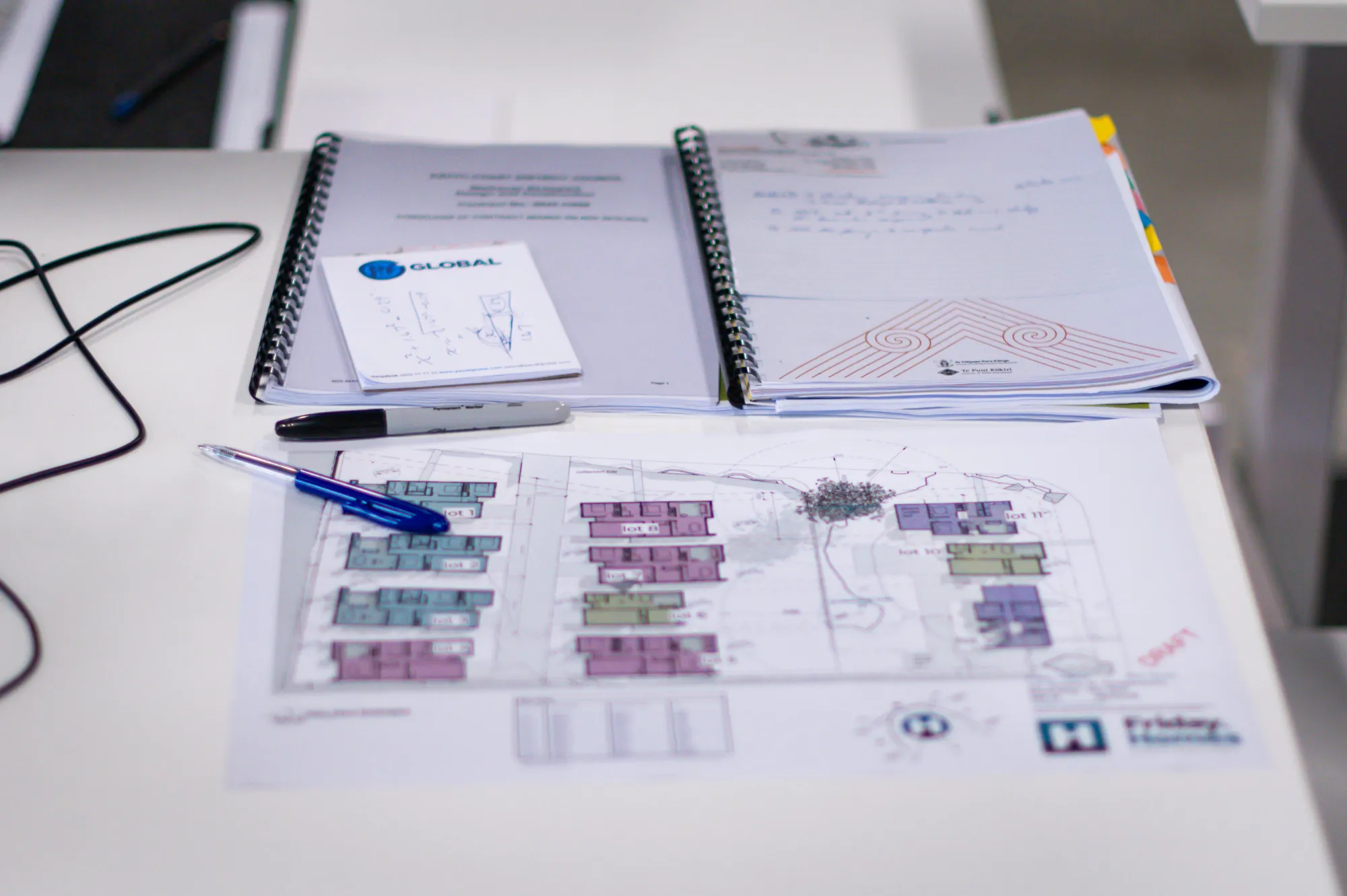
Before committing to a design or spending on consents, it’s worth knowing whether your site can actually deliver what you have in mind. A ue dilligence and site suitabiliy assessment is an early-stage review of a site’s development potential  -  what rules apply, what consents are needed, and what constraints might shape or limit what you can do.

Sites carry hidden complexity: zoning rules, setback requirements, hazard overlays, heritage protection, and infrastructure constraints can all limit development potential. Discovering these late  -  after you’ve already engaged engineers, architects, and lawyers  -  is expensive. An early planning review gives you the clarity and confidence to commit, knowing the path forward is real.

We research the district plan rules and council mapping, review relevant overlays and designations, and assess how they apply to your site and development concept. We don’t wait for the path to become obvious  -  we map it early, identifying what consents you’ll need, flagging constraints, and giving you a clear picture of the realistic development pathway before you’ve committed to it. Where constraints exist, we’ll tell you straight. Where there’s room to work creatively within the rules, we’ll find it.


Client feedback
"Orogen rate a particular mention; their responsiveness, attention to detail and collaboration is reflected in the quality of work put forward."
Kevin Beaver, General Manager - Woodridge Homes.
Due Diligence and Site Suitability Assessments

The team

Due Diligence and Site Suitability Assessments

FAQ

Every site is different and there can be a lot of moving parts, but the questions are often the same. Here's what clients ask us most.
Talk to Us
What is a high-level planning assessment?

A high-level planning assessment reviews your site and proposed activity against the relevant district plan rules to establish whether your project is permitted, what consents are likely to be needed, and what the key risks and constraints are. It is a quick, cost-effective way to understand your consenting position before committing to detailed design.

What does a high-level planning assessment tell me?

It tells you what zone your land is in, what the relevant rules and standards are, whether your proposed activity is permitted or requires consent, what the likely classification of consent is (restricted discretionary, discretionary, non-complying), and what the major risks are to getting consent. It gives you the information to make a well-informed decision about proceeding.

When should I commission a high-level planning assessment?

Before you commit to purchasing land for development, before engaging engineers and architects for detailed design, or before approaching a lender for development finance. The planning position fundamentally affects the value and viability of a site, and knowing it upfront saves significant cost and frustration.

Can a high-level assessment uncover issues that prevent development?

Yes. Some sites have constraints such as notable trees, heritage buildings, flooding or coastal hazard overlays, or protected natural features that limit or prevent certain types of development. Better to know this before you commit than after you have spent significant money on design. Orogen will tell you the honest position, including where constraints are serious.

How long does a high-level planning assessment take?

Most high-level planning assessments are completed within three to five working days. For more complex sites or proposals, allow up to two weeks. We will give you a clear indication of timeframe when you contact us.

What is the difference between a planning assessment and a resource consent application?

A planning assessment tells you what you need and what the risks are; it does not apply for anything. A resource consent application formally requests permission for a specific activity and triggers the council's statutory processing obligations. The planning assessment comes first and informs the consent application.

How does Orogen structure a high-level planning assessment?

Our assessments cover the relevant district plan zone and rules, any overlay districts or designations affecting the site, permitted activity rules and relevant standards, likely consent pathway and classification, and key risks and recommended next steps. They are written to be clear and actionable, not dense planning jargon.

Considering a site or planning a development? Talk to us first - we’ll tell you what’s achievable before you invest in the details.
Contact Us