.svg)

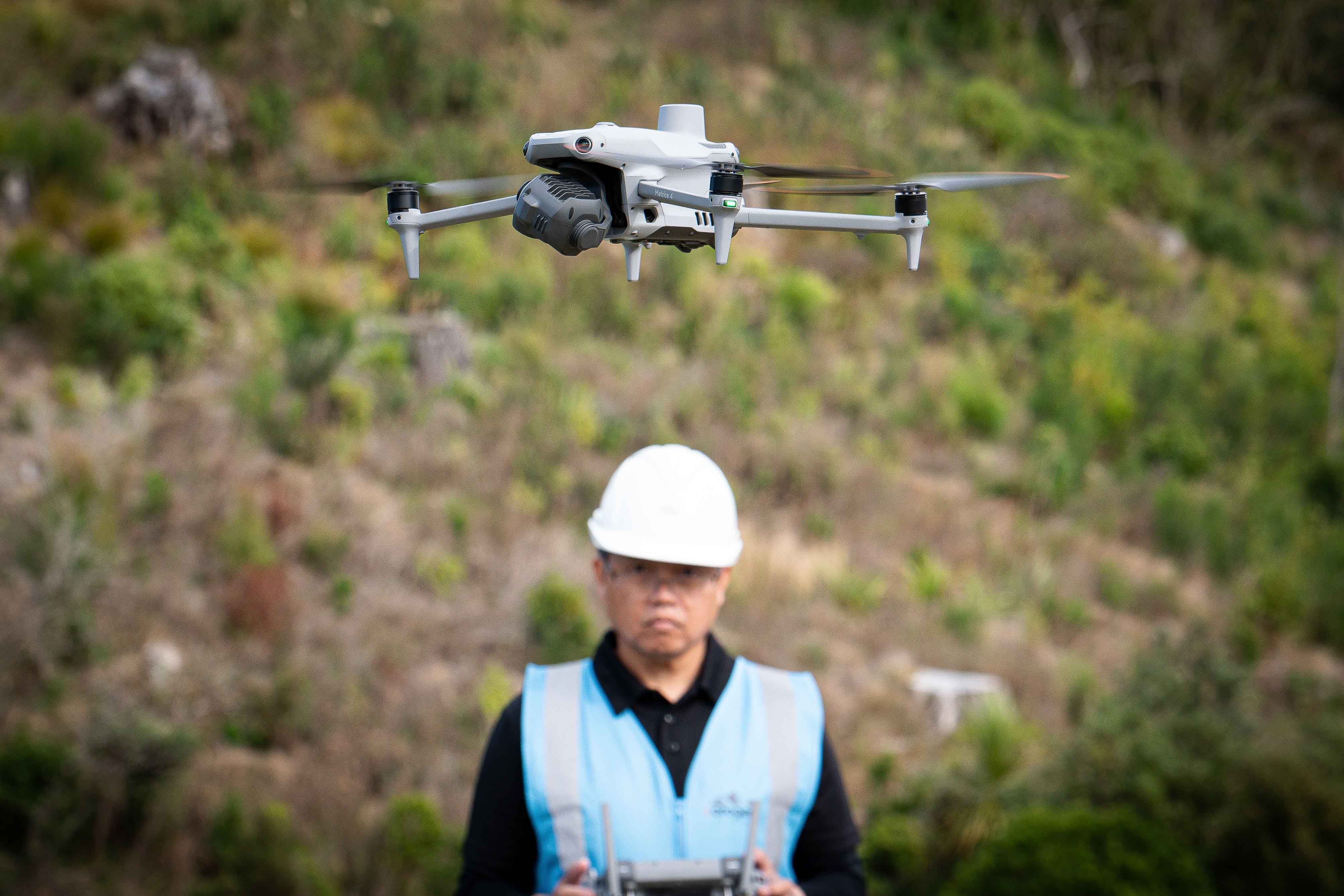
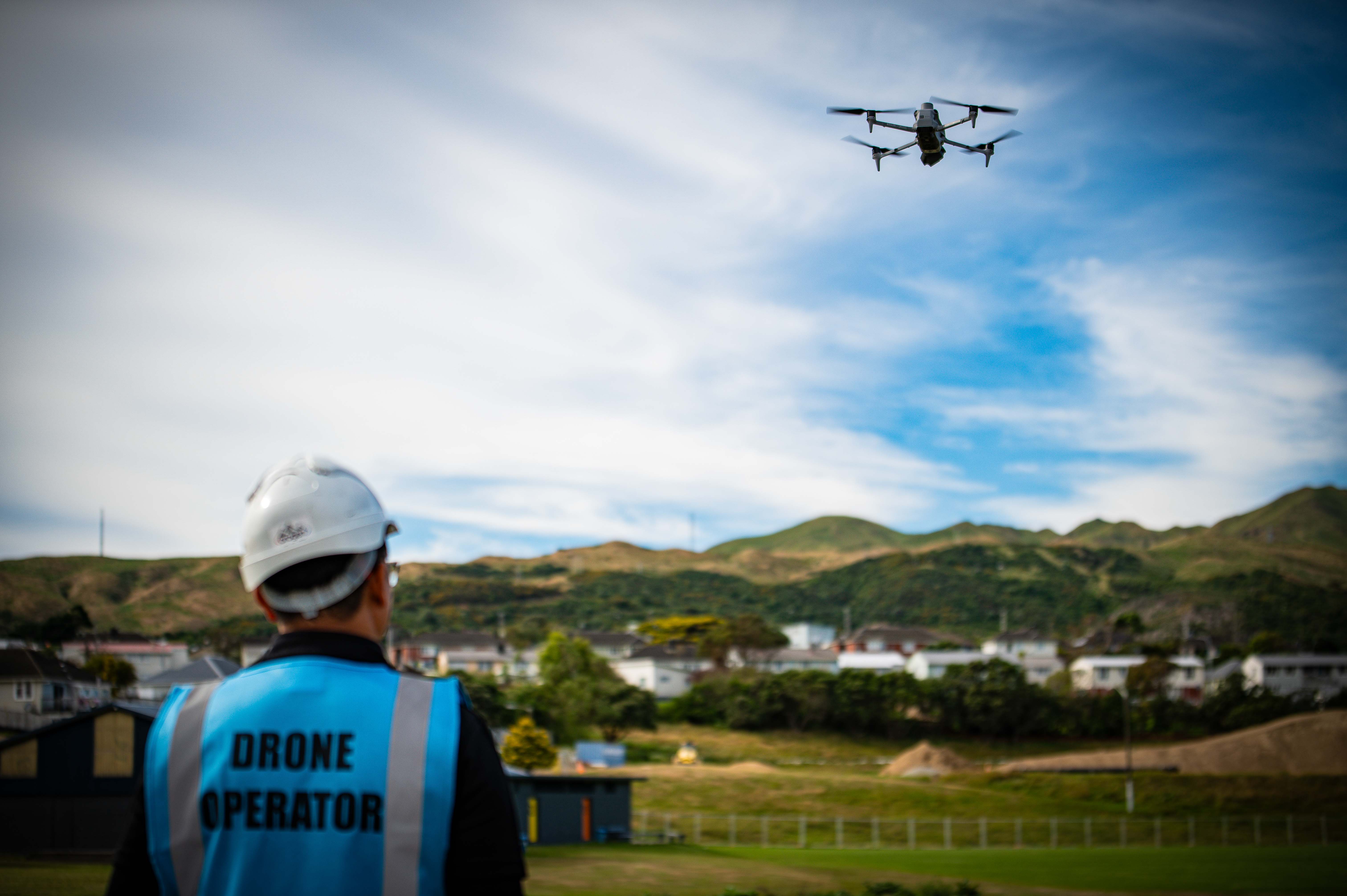
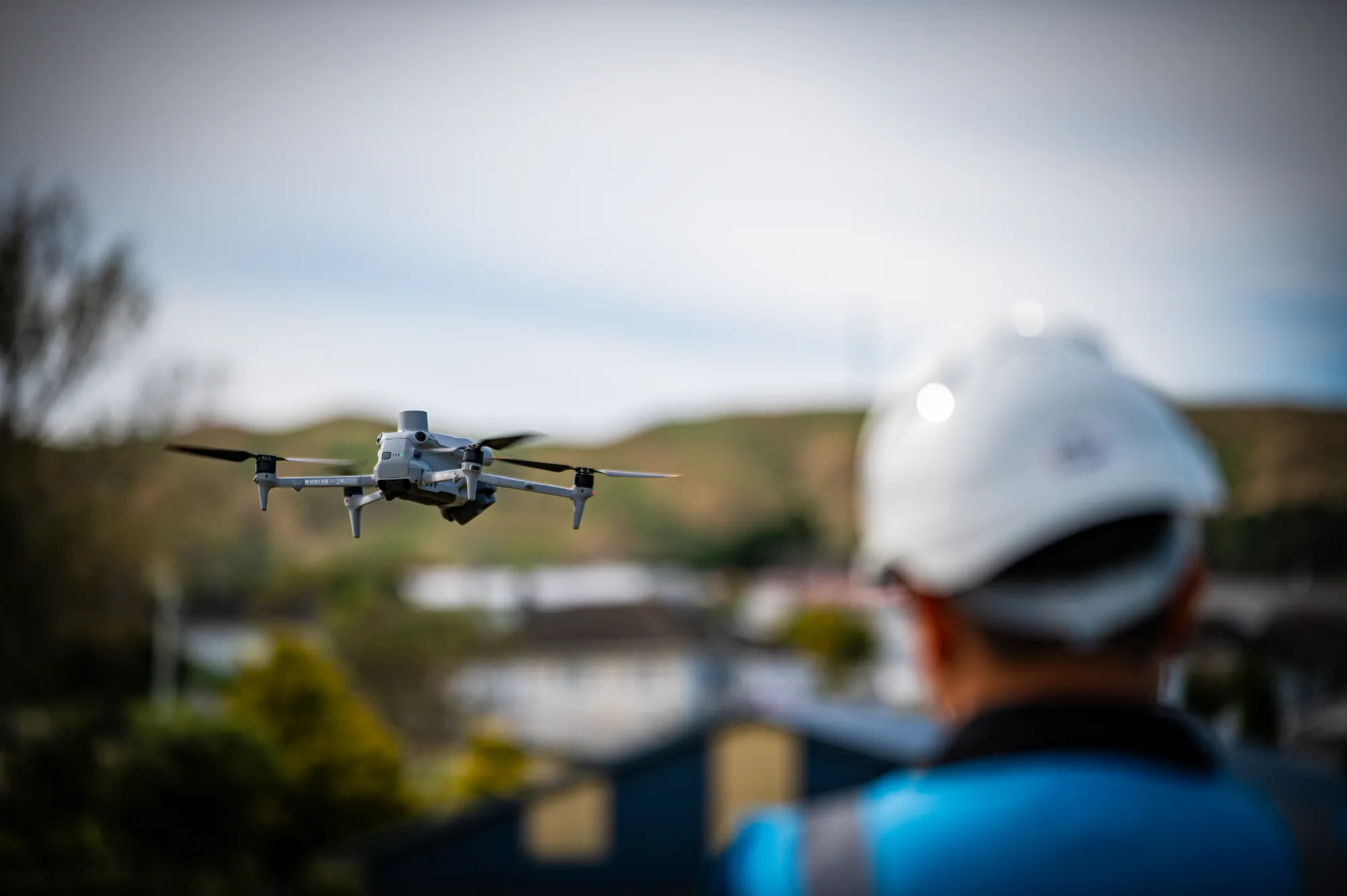
Drone surveying isn't a novelty, it’s a practical tool that delivers data fast on sites where traditional methods are slow, difficult, or unsafe. Our in-house drone capability is fully integrated with our ground survey work, so the outputs are accurate, georeferenced, and ready to use in engineering and planning applications.
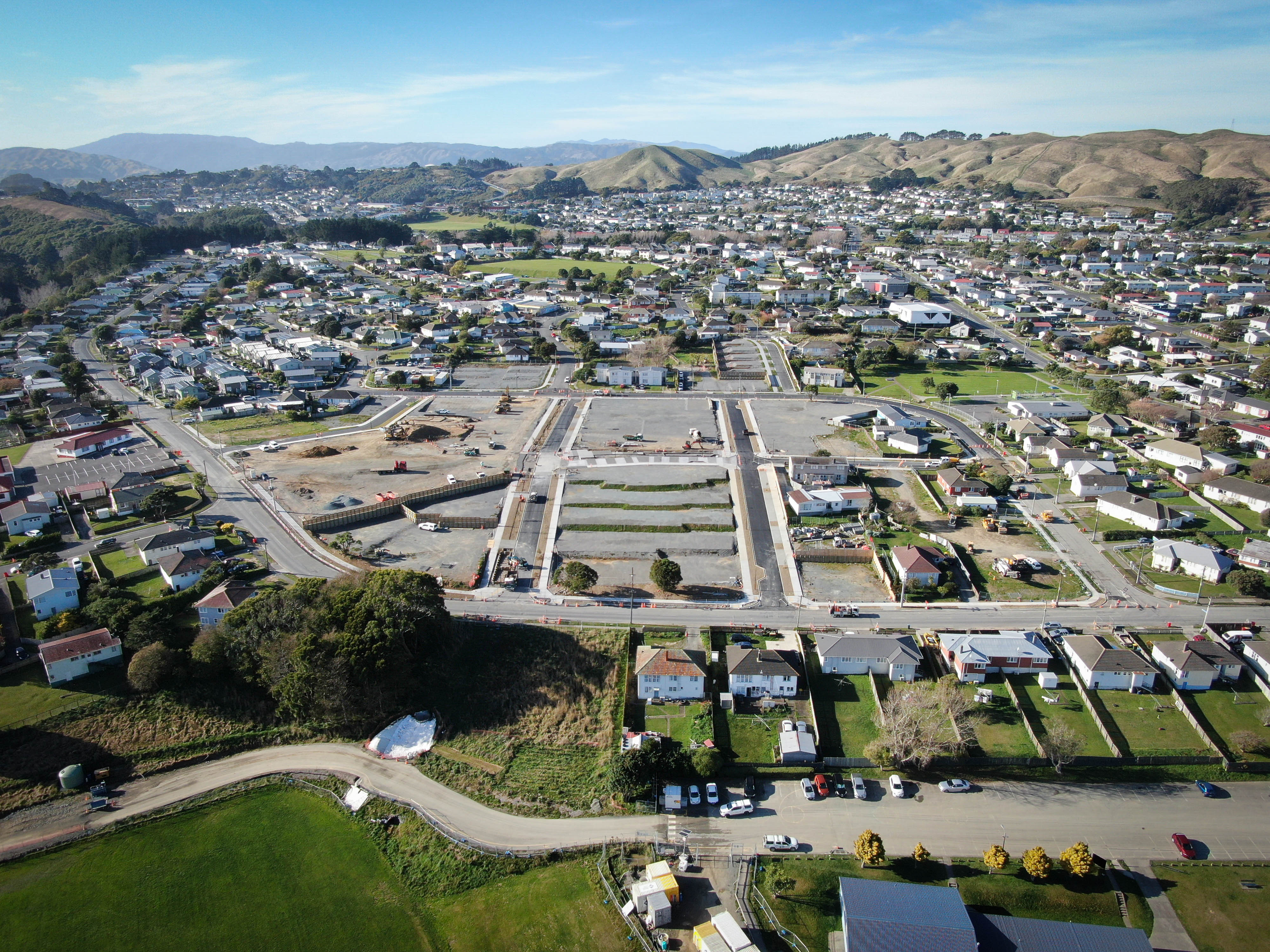
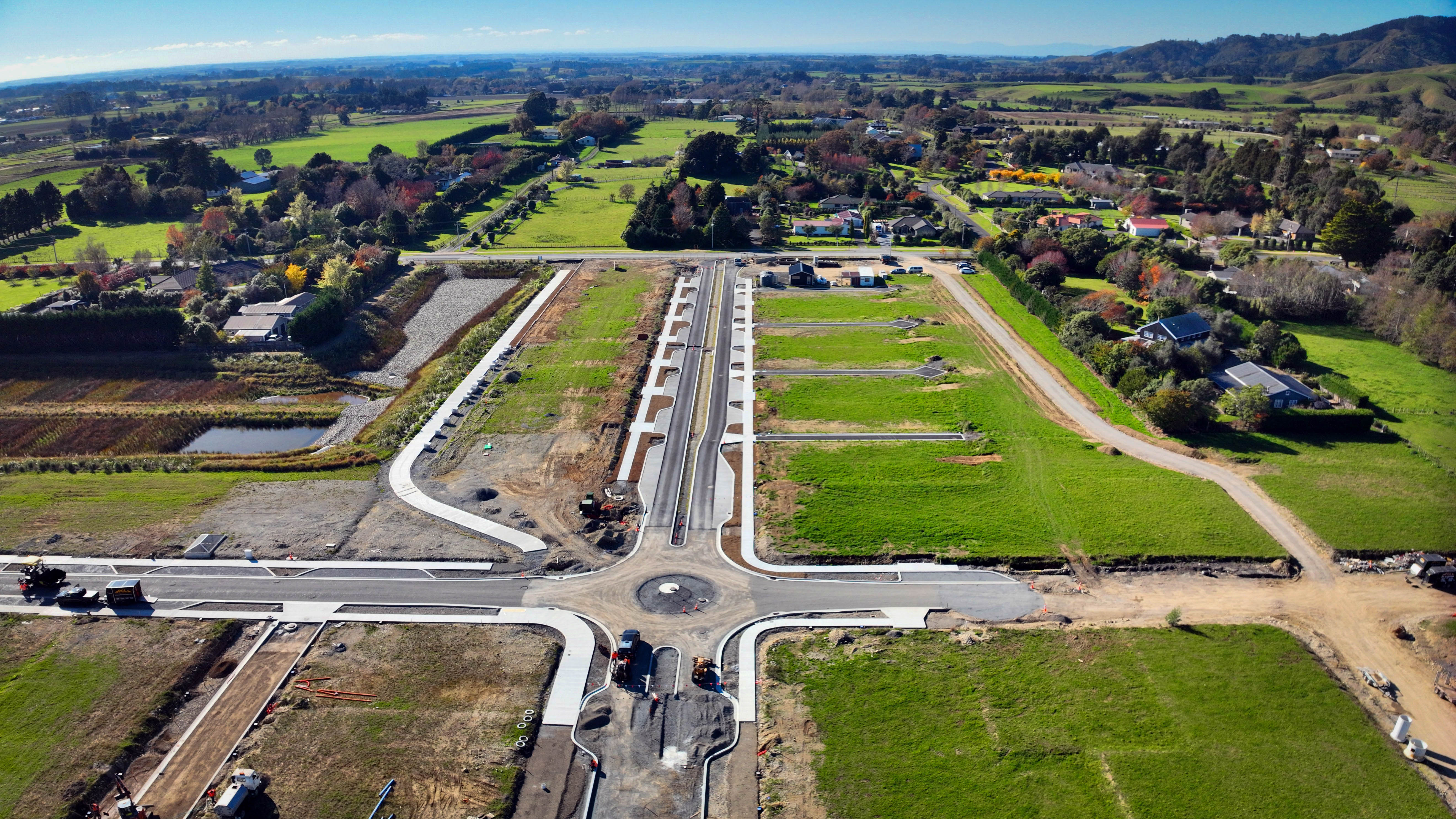
Orthophoto maps: to scale accurate aerial images at 2–3cm pixel resolution, suitable for plan backgrounds or site inspection.
3D terrain models and contours: photogrammetry derived surface models for topographic surveys, earthworks design, and flood assessments.
Stockpile and excavation volumes: drone captured surfaces compared to baseline or design to calculate volumes accurately and quickly.
Progress imagery: periodic flights providing a visual record of site development for project reports and stakeholder communication.
Point clouds: dense surface representations of structures, stockpiles, or terrain for measurement and modelling.
A drone can survey a 20hectare site in a few hours work that would take a ground crew several days. This speed reduces cost and allows data to be captured quickly after a storm event, a slip, or a construction milestone. Drones also improve safety by allowing survey of cliff faces, steep slopes, and active construction zones without exposing staff to risk.
Before every flight, we establish survey grade ground control points tied into the project's coordinate and height datum. These anchor the drone model to the real world so outputs are accurate, not just visually detailed. We carry out ground truthing checks to verify results, and where higher precision is needed at specific features, we supplement drone data with traditional ground survey. All outputs integrate directly with the rest of the project dataset contours from the drone match the cadastral survey, and volumes are calculated against the same benchmark as the engineering design. Our pilots are certified under Civil Aviation Authority (CAA) rules, and our flights comply fully with airspace, privacy, and safety requirements.