Erosion & Sediment Control

Design and management of erosion and sediment control systems for earthworks and construction sites, meeting consent conditions and protecting waterways.
Talk to Us
This is some text inside of a div block.

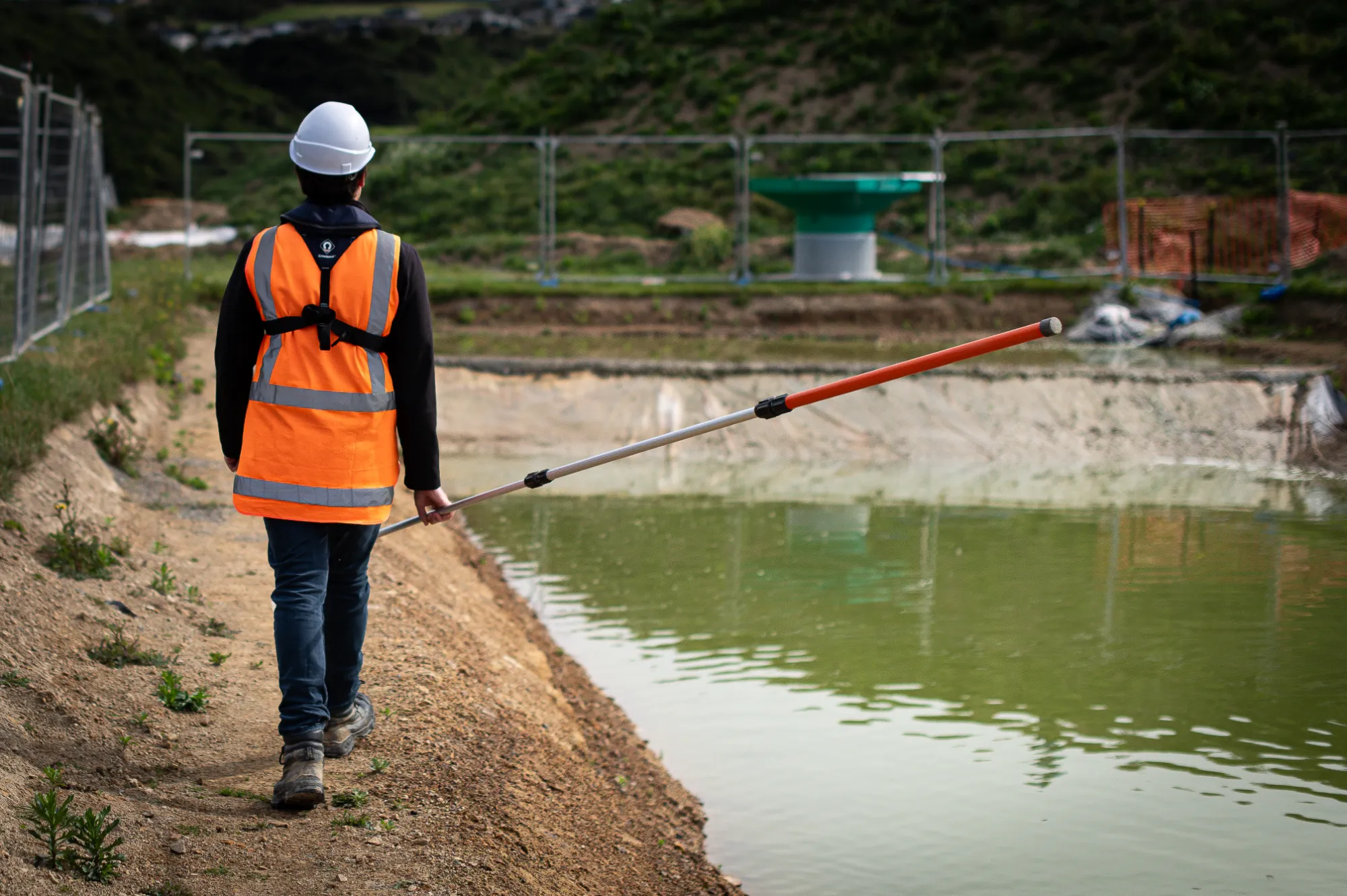
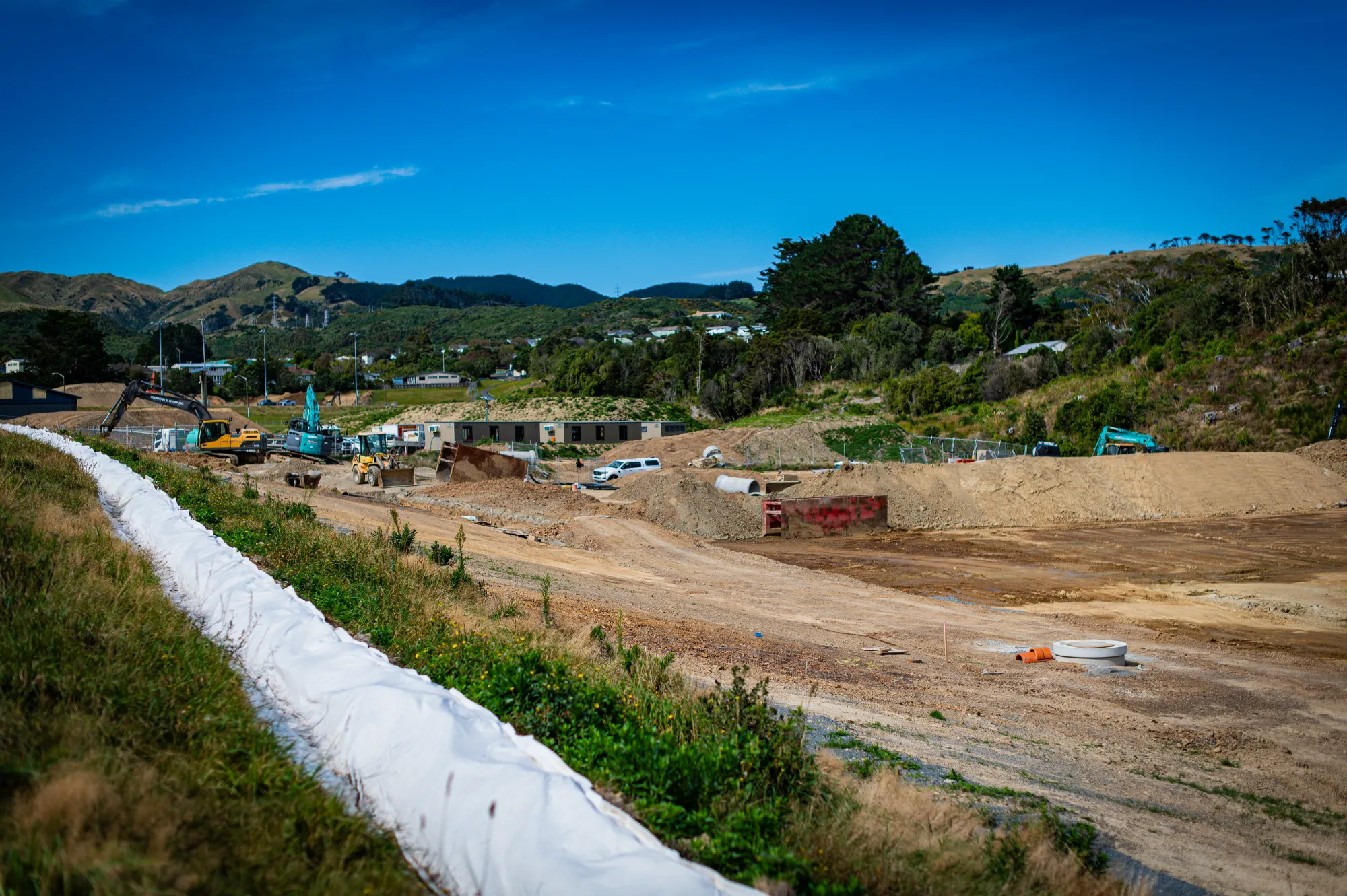
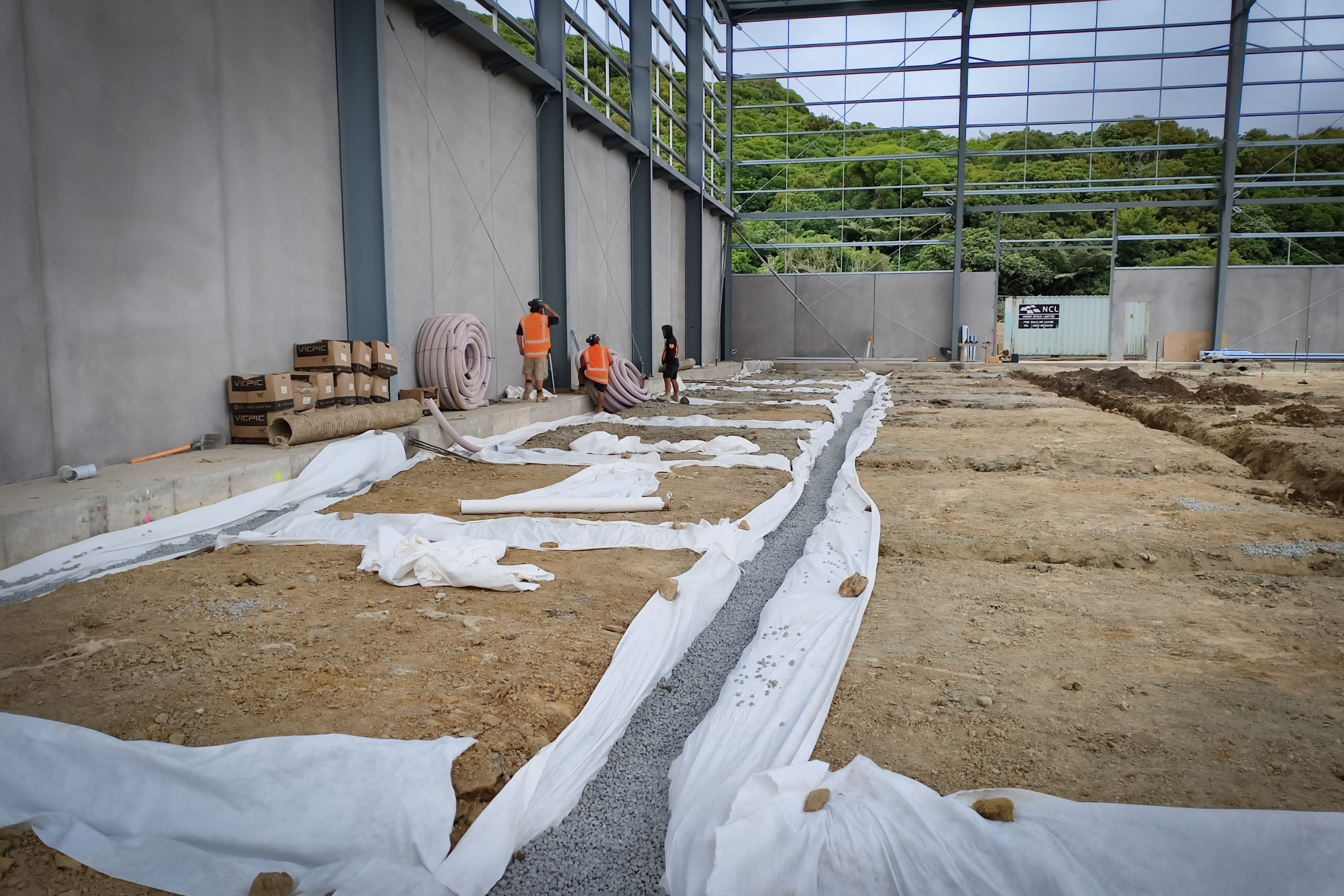
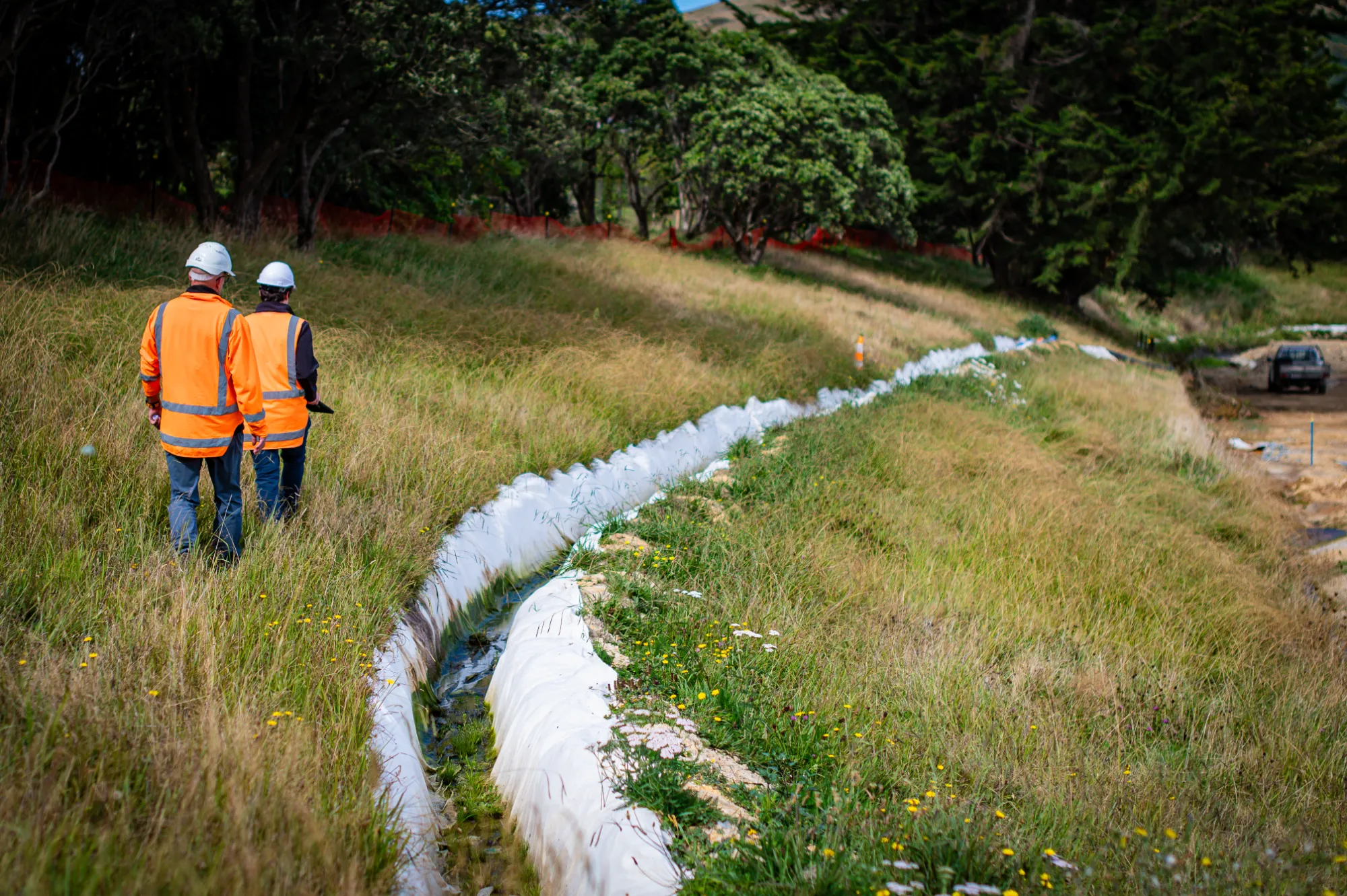
Erosion and sediment control (ESC) is the system of physical measures and management practices that prevents soil and sediment from leaving your site during earthworks and construction. It is documented in an Erosion and Sediment Control Plan (ESCP)  -  a consent requirement that councils need to see before earthworks begin. It covers drainage diversions, silt fences, decanting earth bunds (DEBs), treatment devices, and staging plans that reflect how the site will actually be built.

Sediment-laden runoff from construction sites is one of the most common causes of council enforcement action and consent breach. It clogs streams, damages aquatic habitats, and can halt a project at any stage. Getting ESC right from the start  -  designed to the site’s actual catchment, staged to reflect the construction sequence  -  is far less costly than managing a sediment event after it happens. And when site conditions change mid-build, as they often do, a well-structured ESCP can be adapted without derailing the programme.

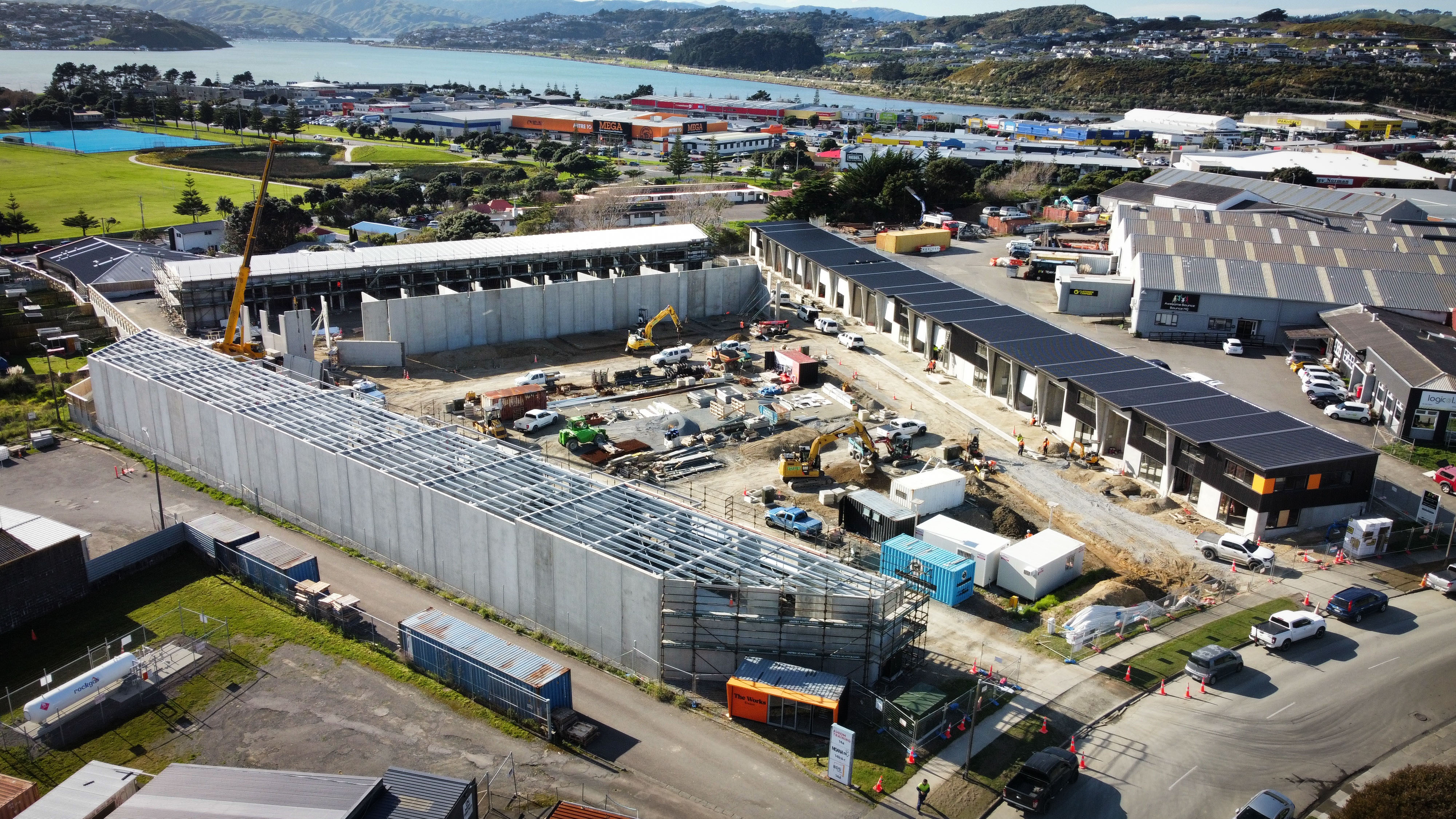
We design ESC plans grounded in the site’s terrain, catchment characteristics, and construction programme, following GWRC’s Erosion and Sediment Control Guide for Land Disturbance 2021 and local council requirements. There are no generic templates here: every ESCP reflects how the site will actually be built, with device sizing calculations, staging diagrams, and specifications contractors can follow. When site conditions change mid-construction, we adapt the plan quickly, re-lodge with council, and keep your consent compliant without disrupting the programme.
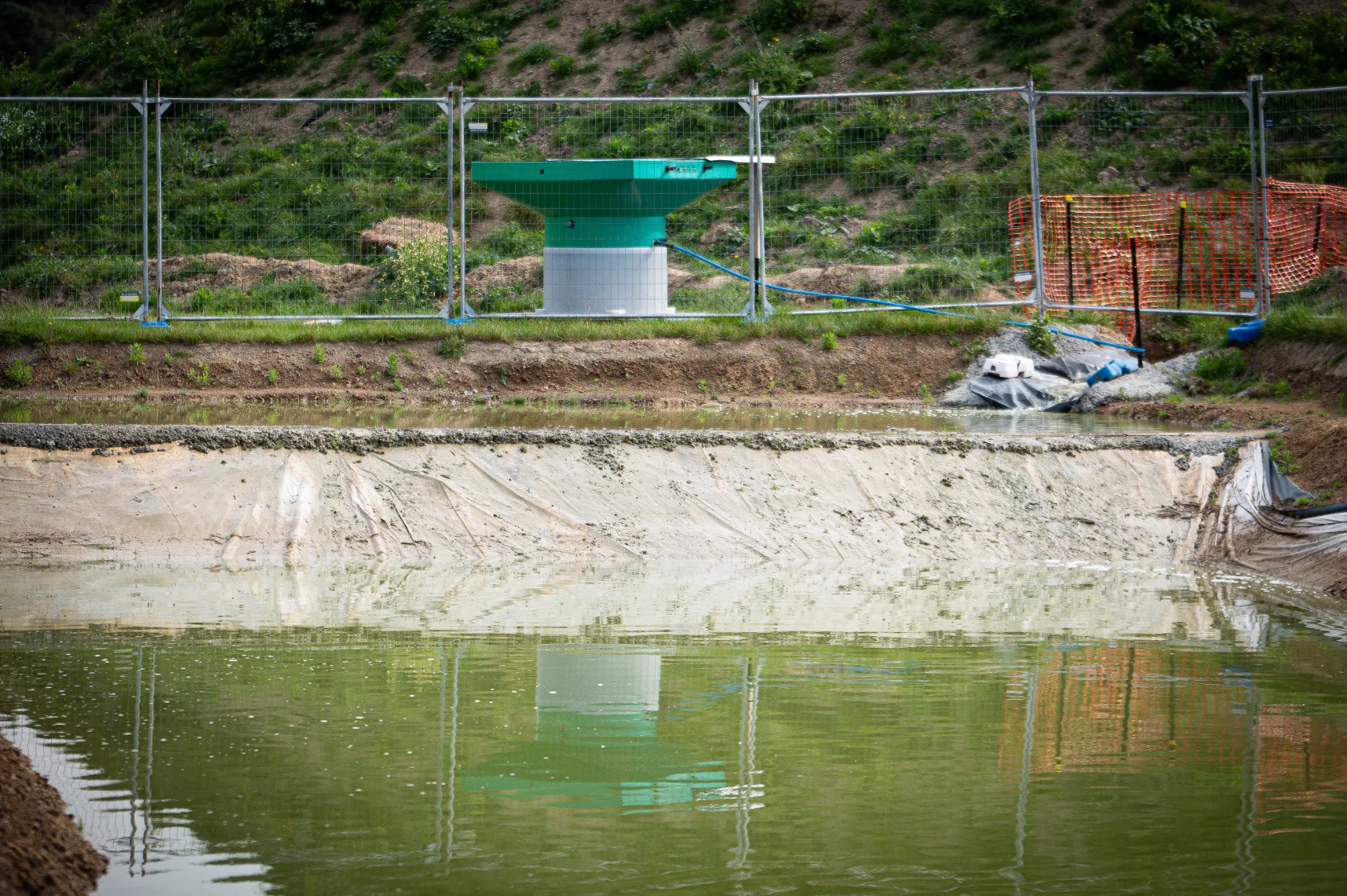
Orogen SiteImages 59
Orogen SiteImages 82
Orogen SiteImages 136
Orogen SiteImages 158
Orogen Office 17
Orogen Office 20
20210601 084916
Client feedback
"Orogen rate a particular mention; their responsiveness, attention to detail and collaboration is reflected in the quality of work put forward."
Kevin Beaver, General Manager - Woodridge Homes.
Erosion & Sediment Control

FAQ

Every site is different and there can be a lot of moving parts, but the questions are often the same. Here's what clients ask us most.
Talk to Us
What is erosion and sediment control?

Erosion and sediment control (ESC) refers to the measures used on a construction site to prevent soil erosion and to capture any sediment before it can leave the site and enter waterways. ESC is required by resource consent conditions on almost all earthworks and development projects.

Why is ESC important on a construction site?

Sediment is one of the most damaging pollutants to freshwater and coastal environments. Fine sediment clouds waterways, smothers aquatic habitat, and degrades water quality for downstream users. Councils enforce ESC conditions actively; breaches can result in stop work orders, fines, and significant reputational damage. Orogen designs ESC to work in NZ's variable weather conditions.

What does Orogen's ESC design involve?

We assess the site's topography, soils, catchment areas, and weather exposure, then design a staged ESC plan that specifies the devices and measures required at each phase of construction. The plan identifies critical control points, device specifications, installation timing, and maintenance requirements. It is submitted with the resource consent application.

What ESC devices and measures does Orogen typically specify?

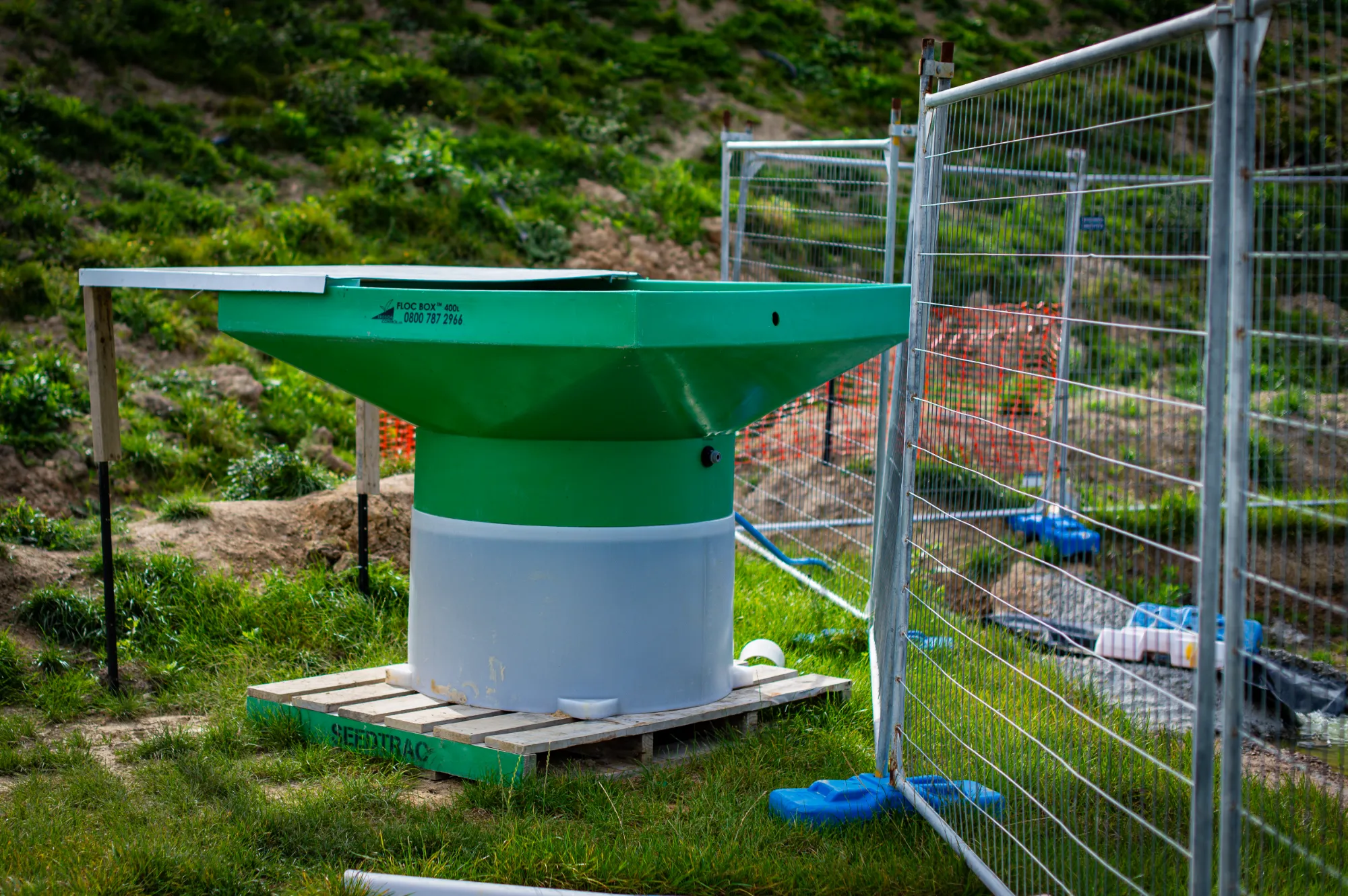
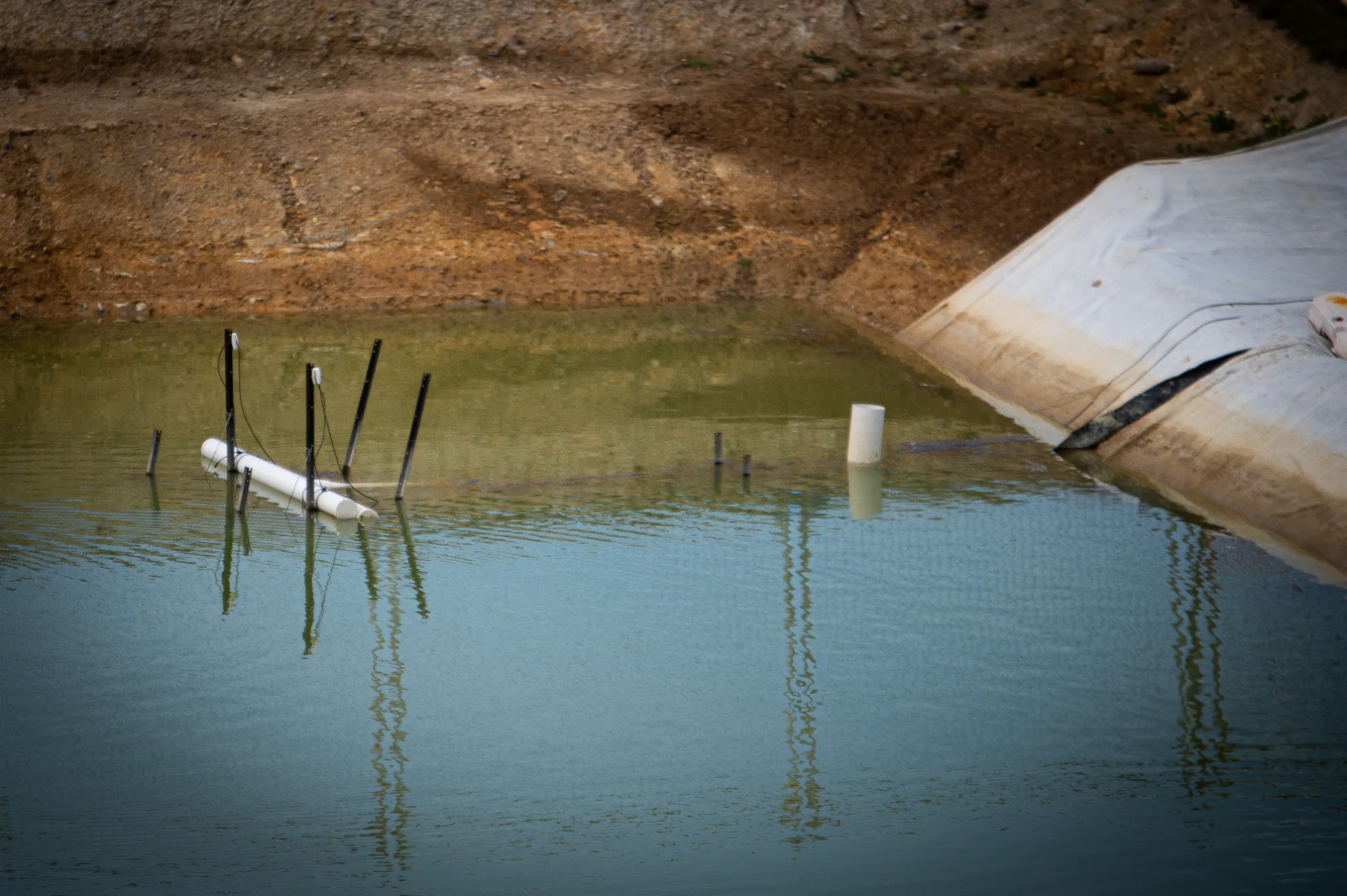
Sediment retention ponds, silt fences, rock check dams, stabilised construction entrances, fabric filters, level spreaders, berm drains, hydroseeding, and jute matting for early stabilisation. Device selection is based on the specific site conditions, catchment areas, and the volume of stormwater to be managed.

What are the most common ESC failures on NZ construction sites?

Undersized or poorly maintained sediment retention ponds, silt fences blocked with sediment and no longer functioning, unstabilised bare soil left exposed during wet weather, and construction entrances that allow mud to track onto public roads. Orogen designs ESC to avoid these common failures and monitors during construction to ensure devices remain effective.

How does Orogen's ESC design respond to changes on site during construction?

Construction sites are dynamic: earthworks progress, weather conditions change, and the configuration of the site shifts over time. Orogen updates the ESC plan as the project progresses and advises the contractor on any changes needed to maintain compliance. We respond quickly to weather events or inspections that require ESC adjustments.

What are the council's inspection requirements for ESC during construction?

Most consents include ESC inspections at defined hold points (before earthworks begin, at completion of each stage, and before final stabilisation). Some councils also carry out unannounced inspections. Orogen's monitoring programme anticipates these inspections and ensures the site is in a compliant state when they occur.

Starting earthworks? Talk to us early - a well-designed ESCP is one of the most cost-effective risk management tools on any development project.
Contact Us