Cleanfill Environmental Services

Environmental assessment, classification, and documentation for cleanfill material disposal, meeting the requirements of Wellington region councils.
Talk to Us
This is some text inside of a div block.

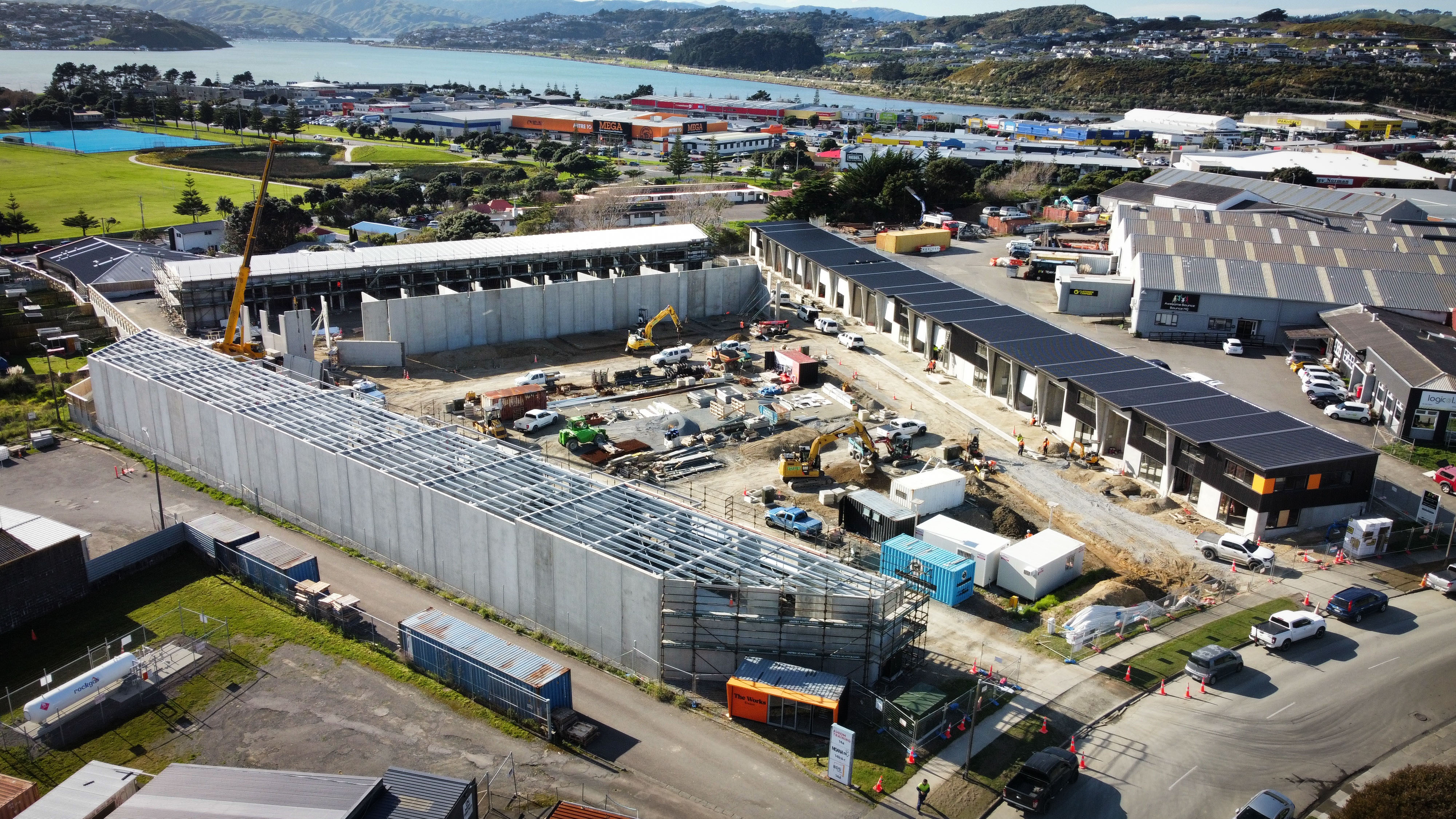
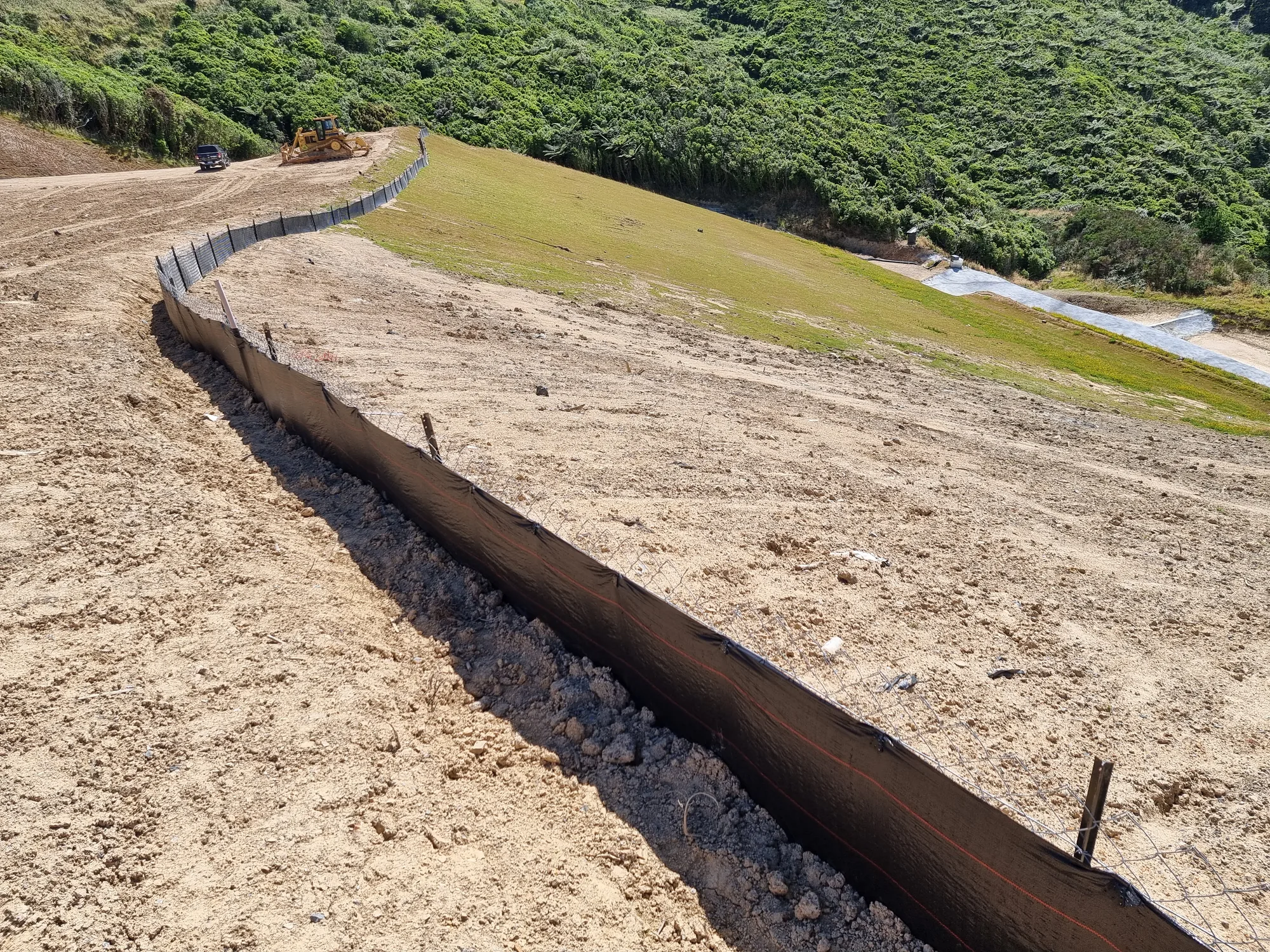
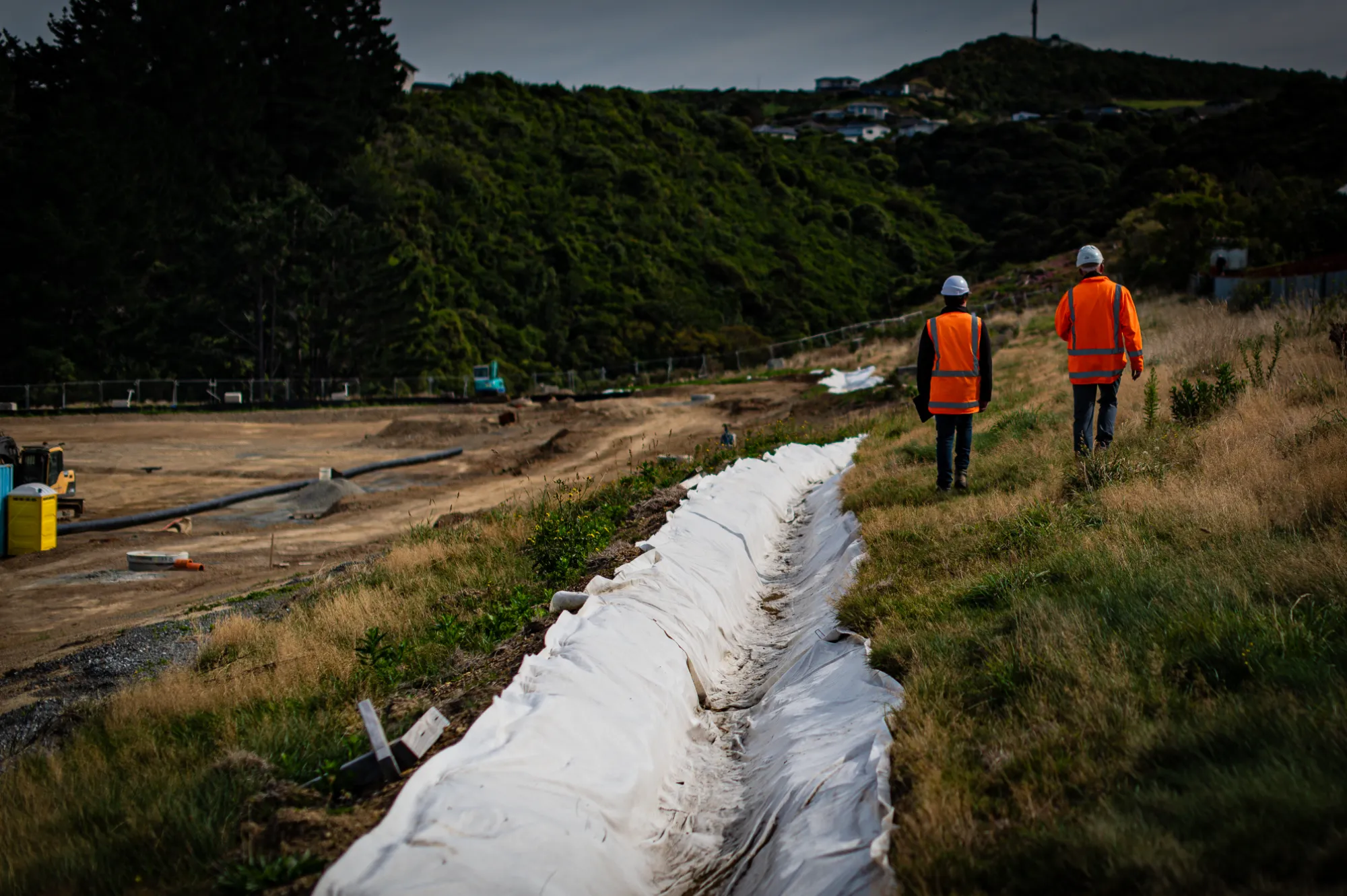
A cleanfill is a managed facility for disposing of clean, inert material - excavated soil, concrete rubble, or rock generated by construction projects. Operating a cleanfill requires resource consent, site-specific environmental controls, and ongoing compliance management. We provide a full environmental service for cleanfill operators: from ESC and construction management planning at establishment, through to volumetric monitoring, compliance auditing, and close-out documentation.

Cleanfills are closely scrutinised by regional councils because the risk of accepting contaminated material - and the consequences of leachate reaching groundwater - are significant. Operating without current, site-specific environmental documentation is a consent breach. And because cleanfills receive material continuously, their ESC and management requirements evolve as the site’s footprint grows and drainage characteristics change. Keeping the consent current through operations requires active management, not a plan prepared at the start and filed away.

We prepare the ESC plans and CMPs needed to establish and operate a cleanfill, and stay engaged through operations to provide the monitoring, auditing, and volumetric survey work that keeps the consent current. We coordinate flocculation management where discharge quality requires treatment, liaise with the regional council on compliance matters, and produce the close-out documentation when the fill reaches capacity. Our integrated surveying capability means we track fill volumes accurately - giving operators the data they need to manage capacity, operational costs, and consent conditions across the life of the site.

Client feedback
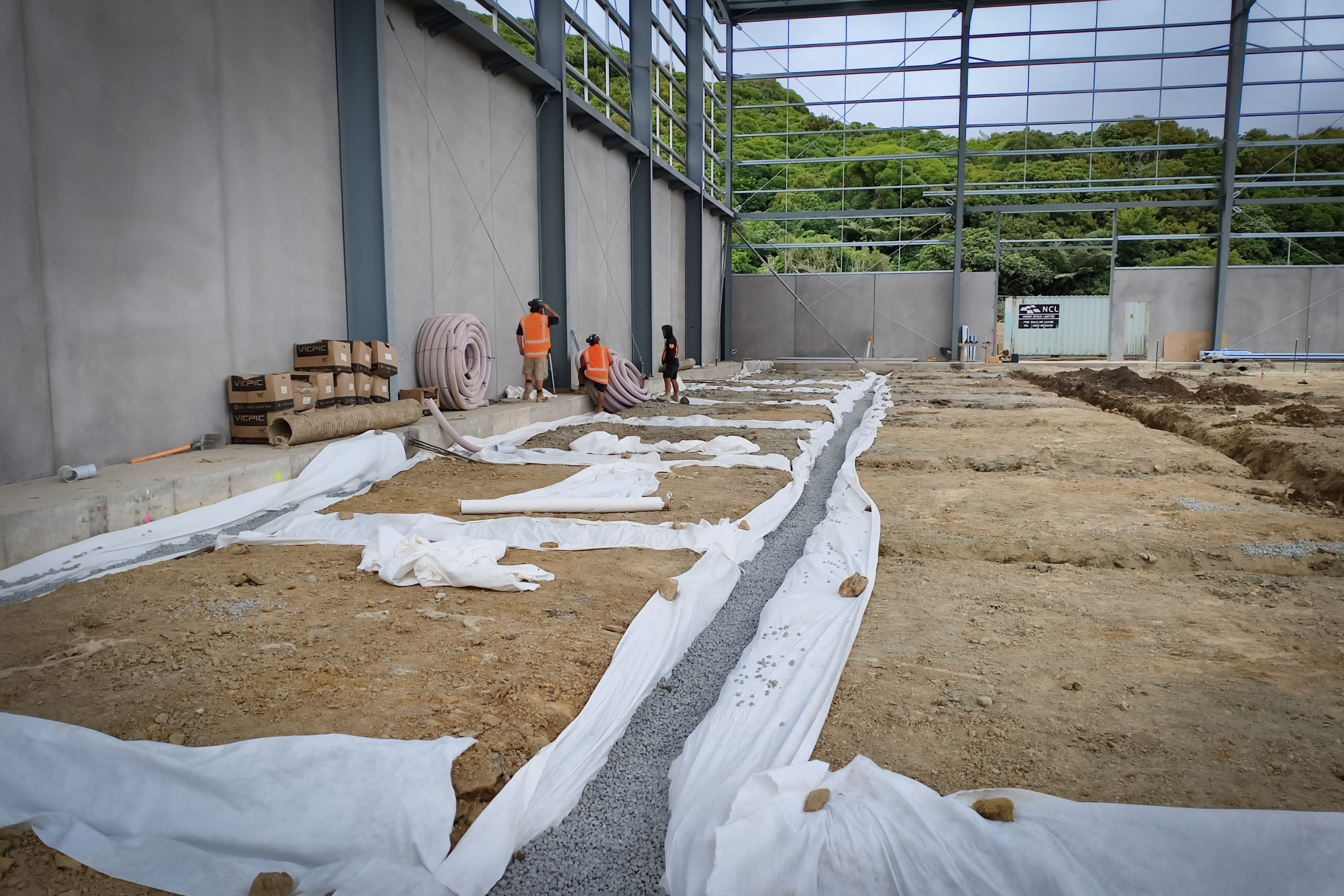
"Orogen rate a particular mention; their responsiveness, attention to detail and collaboration is reflected in the quality of work put forward."
Kevin Beaver, General Manager - Woodridge Homes.
Cleanfill Environmental Services

The team

Cleanfill Environmental Services

FAQ

Every site is different and there can be a lot of moving parts, but the questions are often the same. Here's what clients ask us most.
Talk to Us
What is cleanfill?

Cleanfill is uncontaminated, inert material such as soil, concrete, and rock that can be disposed of at a cleanfill site without significant risk to the environment. The New Zealand Waste Management Guidelines define cleanfill criteria. Material that does not meet cleanfill criteria requires disposal at a licensed landfill or other appropriate facility.

What are the environmental requirements for operating a cleanfill site?

Cleanfill sites require assessment against the MfE Cleanfill Guidelines, a site assessment to confirm suitability (no significant ecological, cultural, or groundwater sensitivity), and in most cases a resource consent from the regional council for the discharge of material to land. Orogen provides the environmental assessment and consent support for cleanfill site establishment and operation.

What is the difference between cleanfill and other types of fill?

Cleanfill is uncontaminated and inert. Controlled fill (or managed fill) contains materials that are not clean but can be disposed of at licensed disposal facilities under controlled conditions. Contaminated fill must be disposed of at a landfill licensed for contaminated waste. Orogen assesses fill material to determine which category it falls into and advises on appropriate disposal.

How does Orogen assess whether material meets cleanfill requirements?

We assess material against the MfE Cleanfill Guidelines, which exclude materials containing contaminants, biodegradable matter, processed wood products, and other specified substances. Visual assessment is the starting point; where contamination is suspected, we arrange laboratory testing to confirm the material's classification.

What consenting is required for a cleanfill site?

A resource consent from the regional council is typically required for the discharge of fill to land. The requirement and the applicable rules depend on the volume of material, the receiving environment, and the regional plan provisions. Orogen prepares and manages the consent application and provides the technical assessments required to support it.

What monitoring is required at a cleanfill site?

Most cleanfill consent conditions require visual inspection of incoming loads to confirm material meets cleanfill criteria, a record of the volume and type of material received, and periodic reporting to the consent authority. Orogen can provide the monitoring and reporting service for cleanfill operations, giving operators confidence that their consent conditions are being met.

What are the risks of using non-compliant fill material on a site?

Placing non-cleanfill material without appropriate consent can result in formal enforcement action, a requirement to excavate and dispose of the non-compliant material at significant cost, and potential liability for any contamination caused. Orogen's cleanfill classification service protects clients from these risks by confirming material suitability before placement.

Operating or planning a cleanfill? Talk to us - we’ll keep your consent current and your operations compliant throughout the life of the site.
Contact Us