Water Boundaries

Specialist surveys establishing the legal position of water boundaries adjoining rivers, streams, and coastal areas under New Zealand property law.
Talk to Us
This is some text inside of a div block.

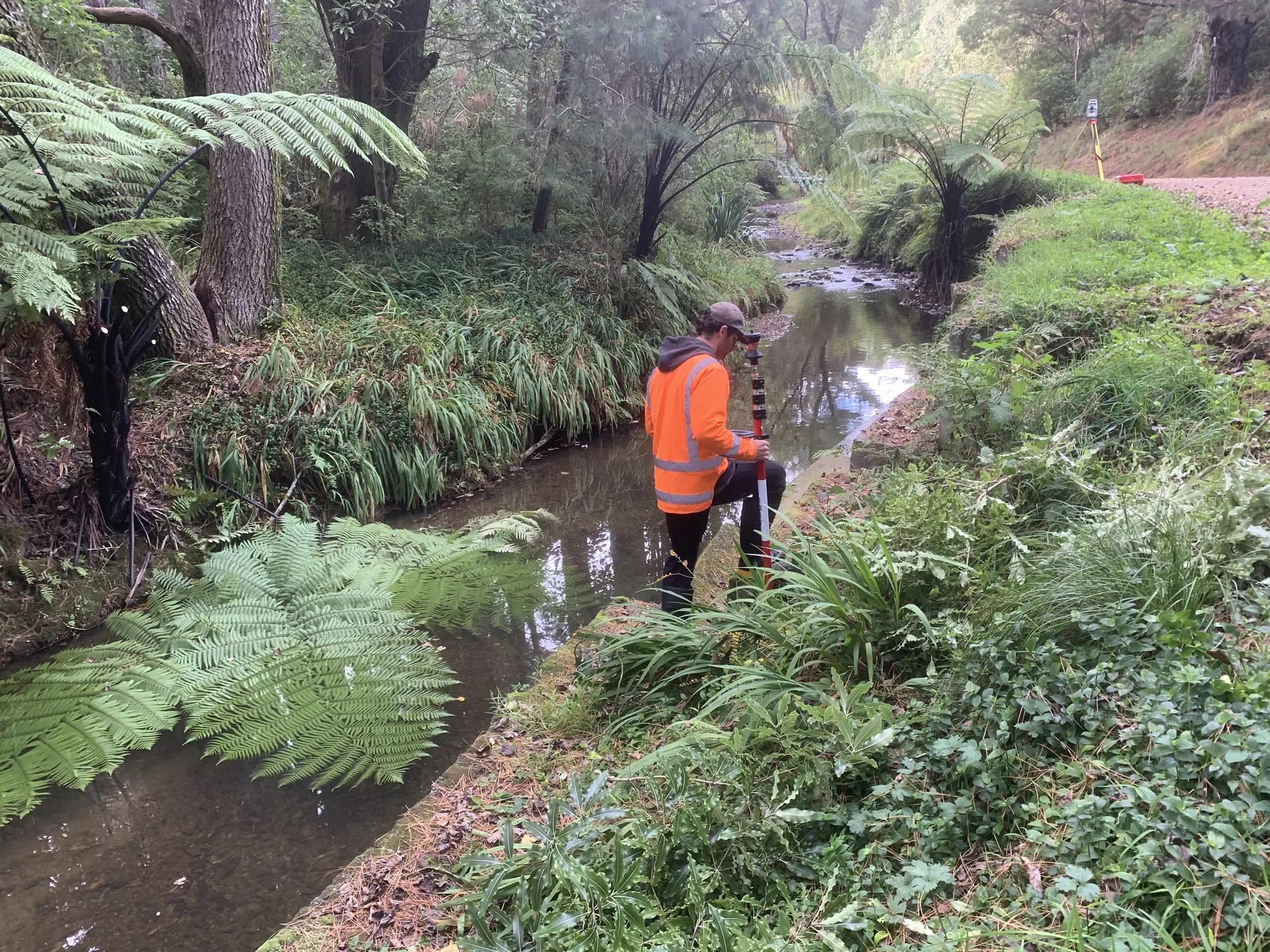
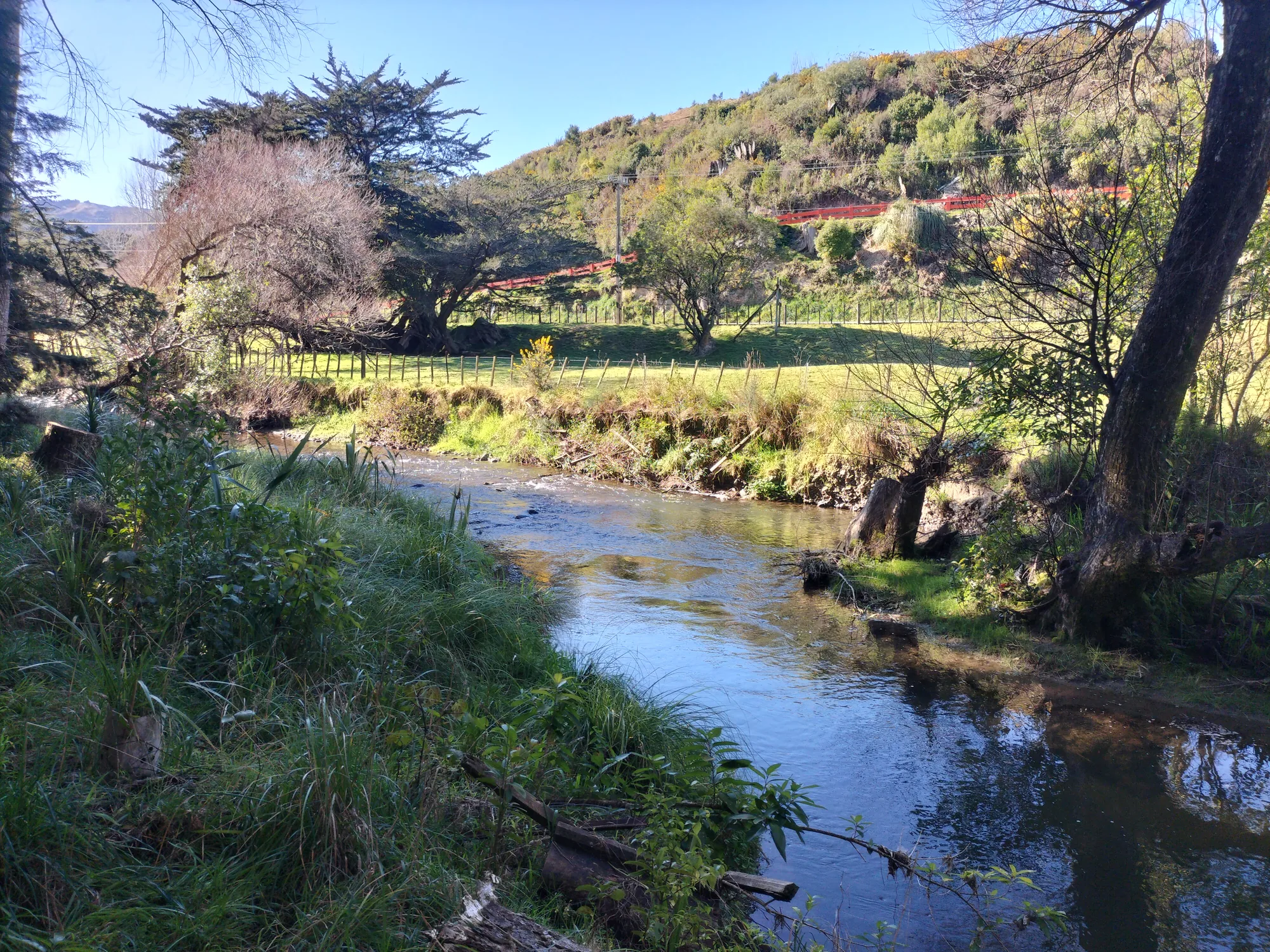
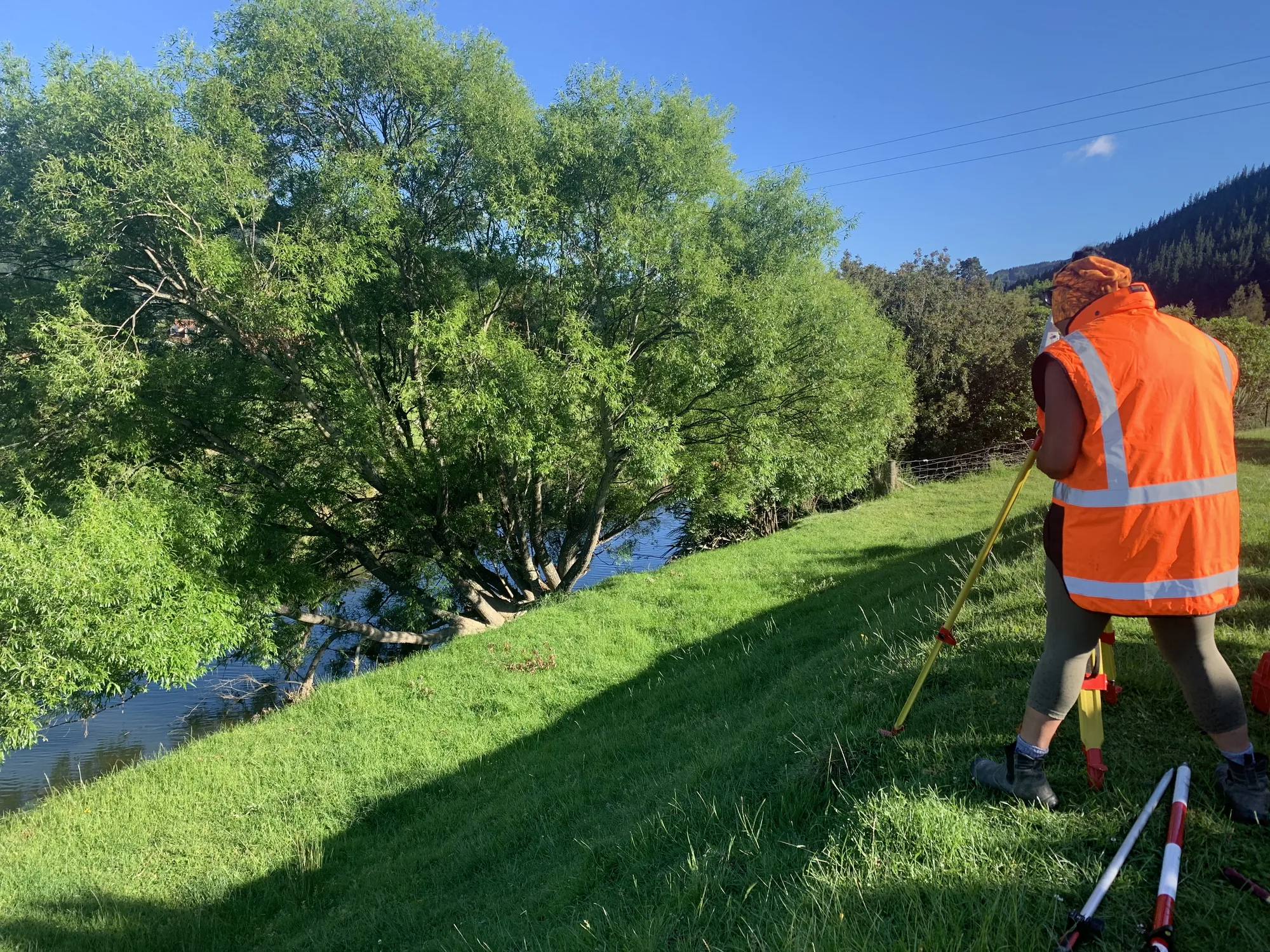
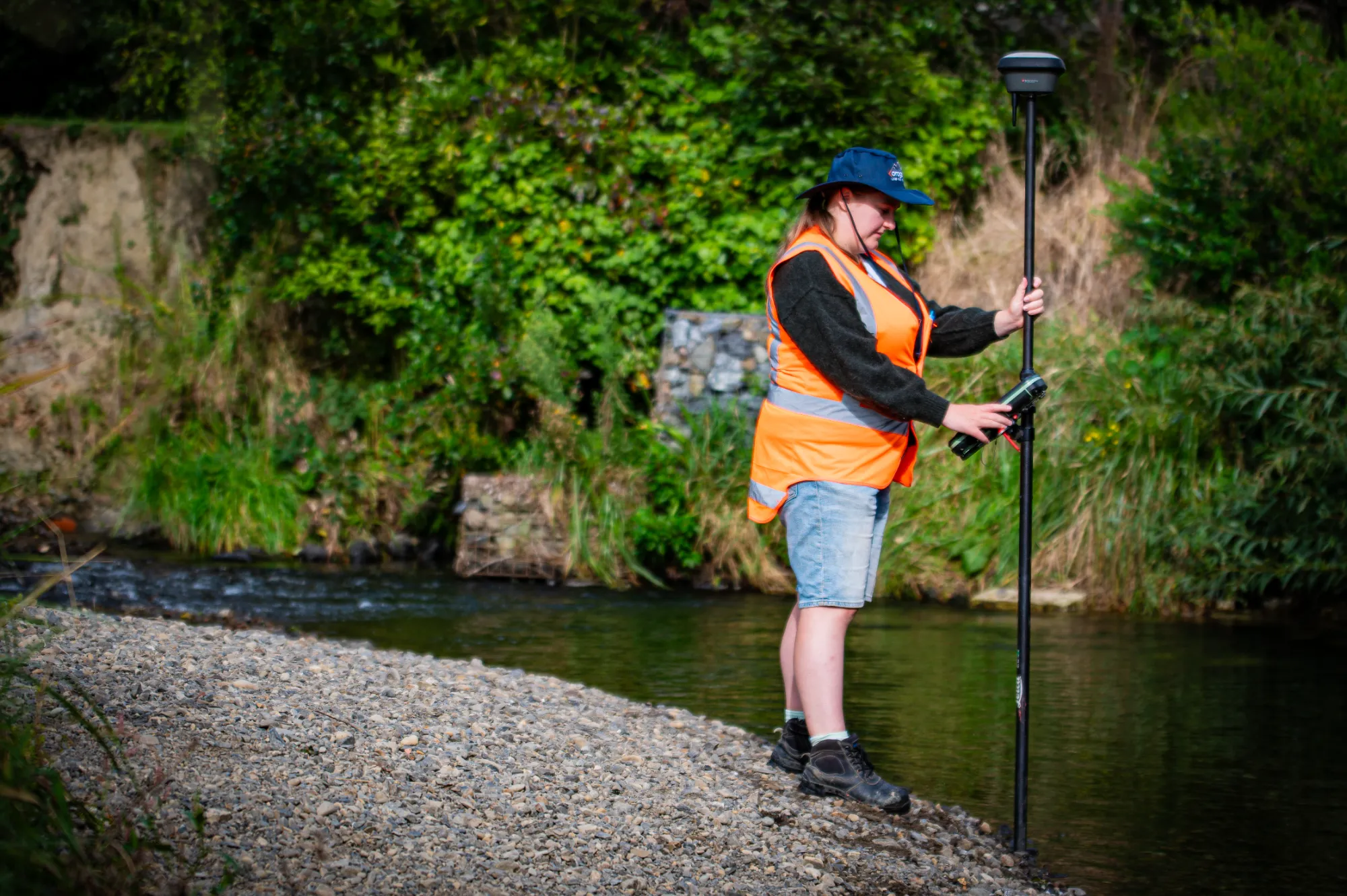
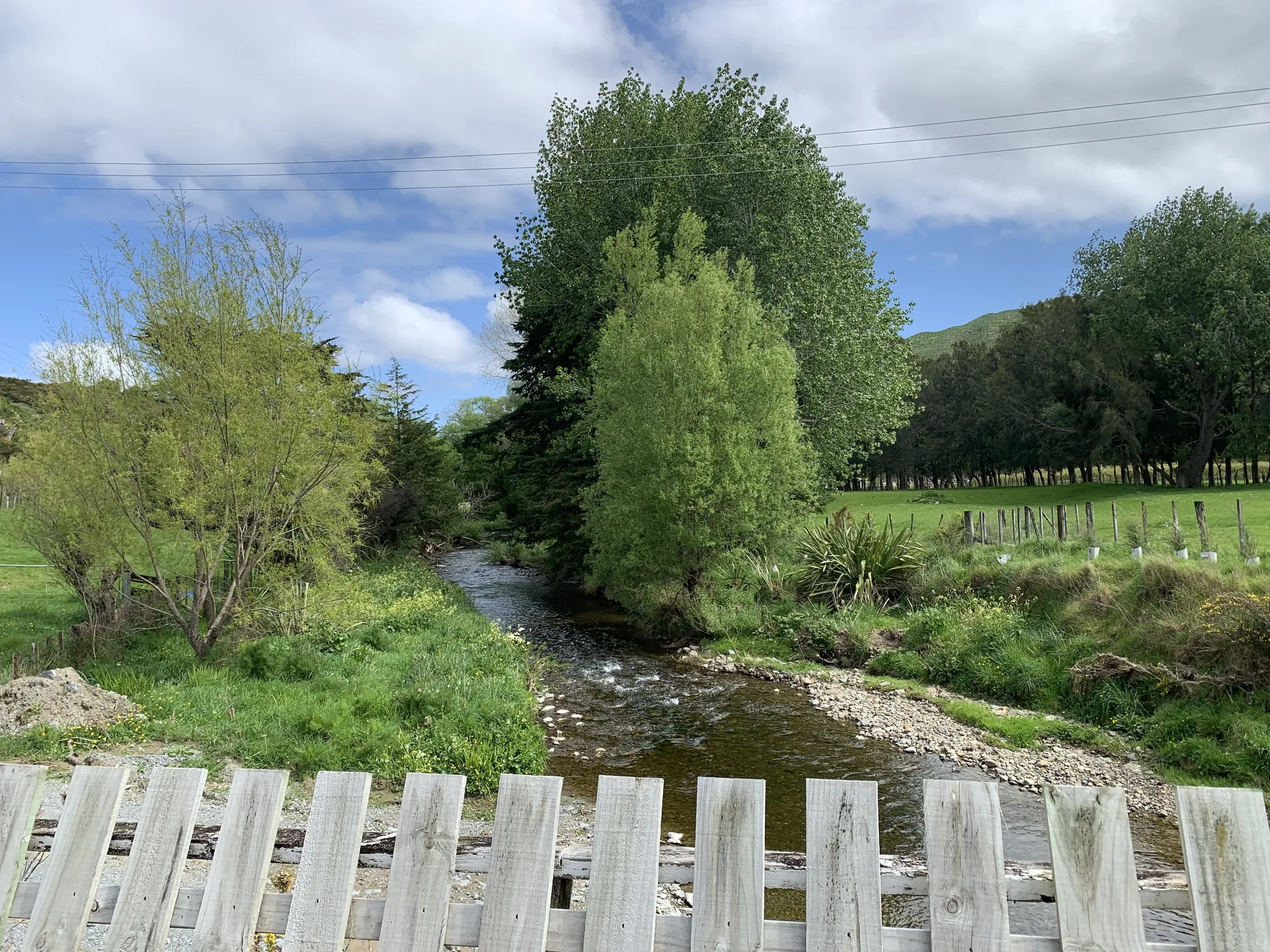
When a property adjoins a river, stream, or coastal area, the boundary is defined by the water's edge and that edge can move over time. A water boundary survey establishes the legal position of that boundary using accepted survey practices for rivers, streams, and coastal sites.

Water boundaries are treated specially in New Zealand law. If a watercourse is altered through erosion, accretion, or artificial works the boundary may or may not shift with it, depending on the circumstances. Uncertainty about a water boundary can block development, affect sale values, and create legal exposure. The only path to clarity is a formal survey.

We determine water boundary positions using accepted practice: for coastal sites, we locate the Mean High-Water Springs (MHWS) line; for rivers and streams, we survey the current banks in line with the relevant legal rules. We have particular experience along coastal Wellington and Kāpiti, where properties extend to the beach and shifting shorelines create real title uncertainty. We navigate the legal framework around accretion and erosion  not always straightforward and give you a defined, defensible position on the title.
IMG 6016
IMG 20210419 092926
IMG20250825102900
Client feedback
"Orogen rate a particular mention; their responsiveness, attention to detail and collaboration is reflected in the quality of work put forward."
Kevin Beaver, General Manager - Woodridge Homes.
Water Boundaries

FAQ

Every site is different and there can be a lot of moving parts, but the questions are often the same. Here's what clients ask us most.
Talk to Us
What is a water boundary survey?

A water boundary survey defines the legal boundary between private land and a water body, such as a river, lake, or the sea. Water boundaries in New Zealand are dynamic: they can shift as the water's edge changes naturally over time. Accurately surveying and recording a water boundary is important for any project near the coastal marine area or a significant water body.

When would I need a water boundary survey?

You may need a water boundary survey when buying, developing, or subdividing land adjacent to a river, lake, or coastal area; when a neighbour or council disputes the extent of your land; or when the boundary's historical position needs to be established for a consent or legal purpose. The location of the water boundary can significantly affect what you are permitted to do on your land.

How are water boundaries legally defined in New Zealand?

Under the common law doctrine of accretion and erosion, boundaries formed by rivers and the sea can move as the water's edge naturally shifts. However, sudden or artificial changes do not alter the legal boundary. The Survey Regulations and LINZ guidance set out how these boundaries are surveyed and recorded. Orogen's experienced cadastral team navigates these rules on your behalf.

What challenges are involved in surveying near waterways?

Waterway surveys often involve difficult terrain, access constraints, and the need to coordinate with regional and district councils. The legal position can be complex where the water's edge has changed over time or where reclamation has occurred. We carry out thorough title and historical research before fieldwork to make sure we understand the full picture.

How does a water boundary survey affect property title?

The survey establishes the extent of the private land and the point at which Crown land or the coastal marine area begins. This affects what you can build, where you can access the water, and what consents you might need. The survey result is recorded with LINZ and can be used to update the property's title plan.

Does Orogen work with regional councils on water boundary surveys?

Yes. Regional councils often have a direct interest in the location of water boundaries, particularly in the coastal environment and along significant waterways. We communicate with the relevant council or consent authority as part of the survey process and can support any resource consent or designation work that relates to the boundary.

MOre Services
Rivers move. Coastlines shift. Your title doesn't have to be uncertain about where your boundary is. Talk to us we’ll establish exactly where the law defines your boundary to be.
Contact Us