
Stormwater Treatment & Attenuation

Design of stormwater attenuation and treatment systems managing peak flow rates and contaminant loads to meet consent and council requirements.
Talk to Us
This is some text inside of a div block.

Stormwater treatment and attenuation systems manage the quality and quantity of runoff from developed land. Attenuation temporarily detains stormwater - reducing peak flows to pre-development levels and protecting downstream infrastructure from being overwhelmed. Treatment removes sediment, hydrocarbons, and contaminants before runoff reaches the receiving environment. Both are commonly required by councils as conditions of resource consent for new developments.

Councils across the Wellington region increasingly require attenuation where development would otherwise increase peak stormwater flows to council networks. Untreated runoff from roads and carparks carries oil, heavy metals, and fine sediment - contaminants that accumulate in streams and estuaries over time. Designing systems that satisfy both objectives - attenuation and treatment - while fitting within a development's layout requires engineering that balances hydraulic performance, available footprint, and long-term maintenance.

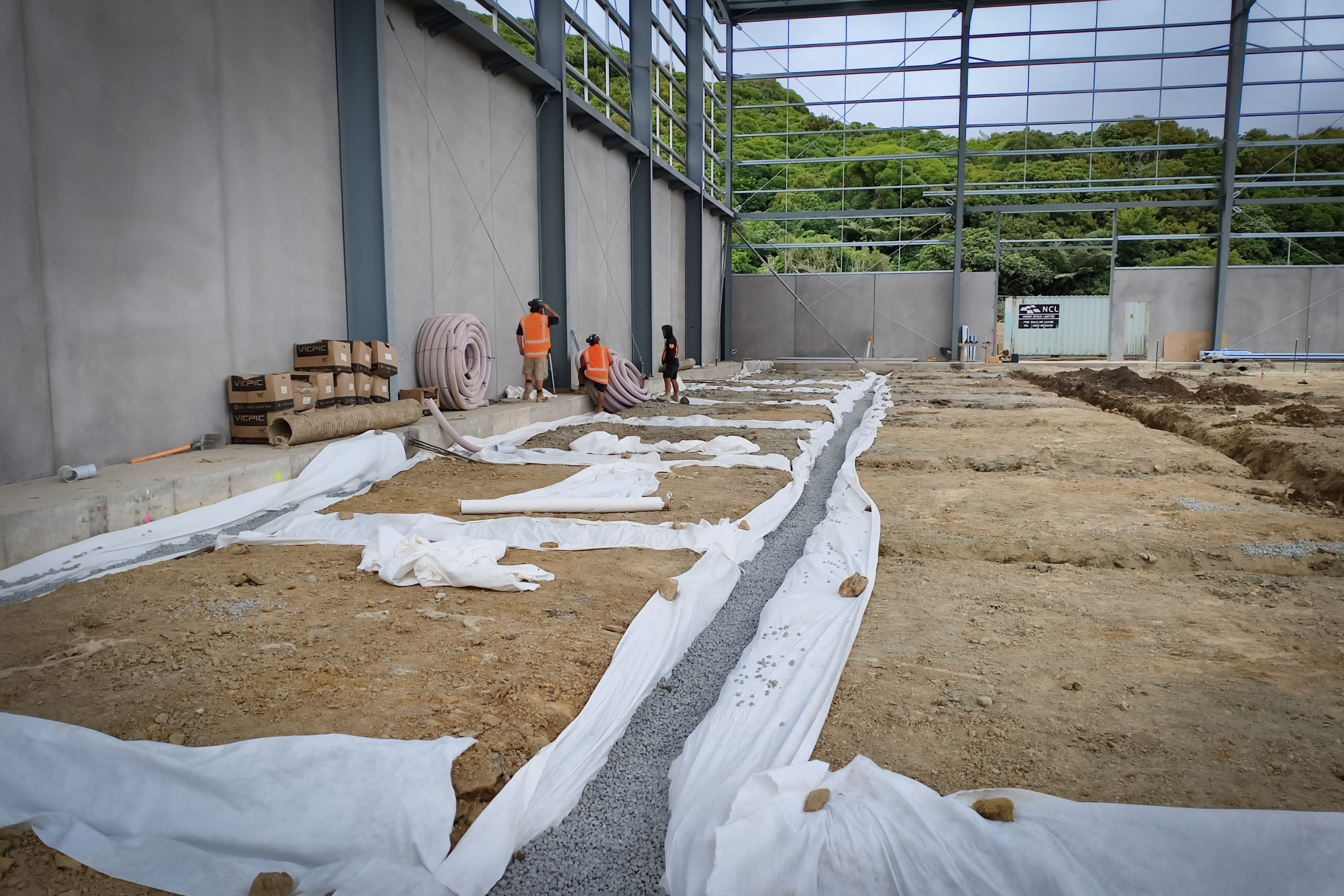
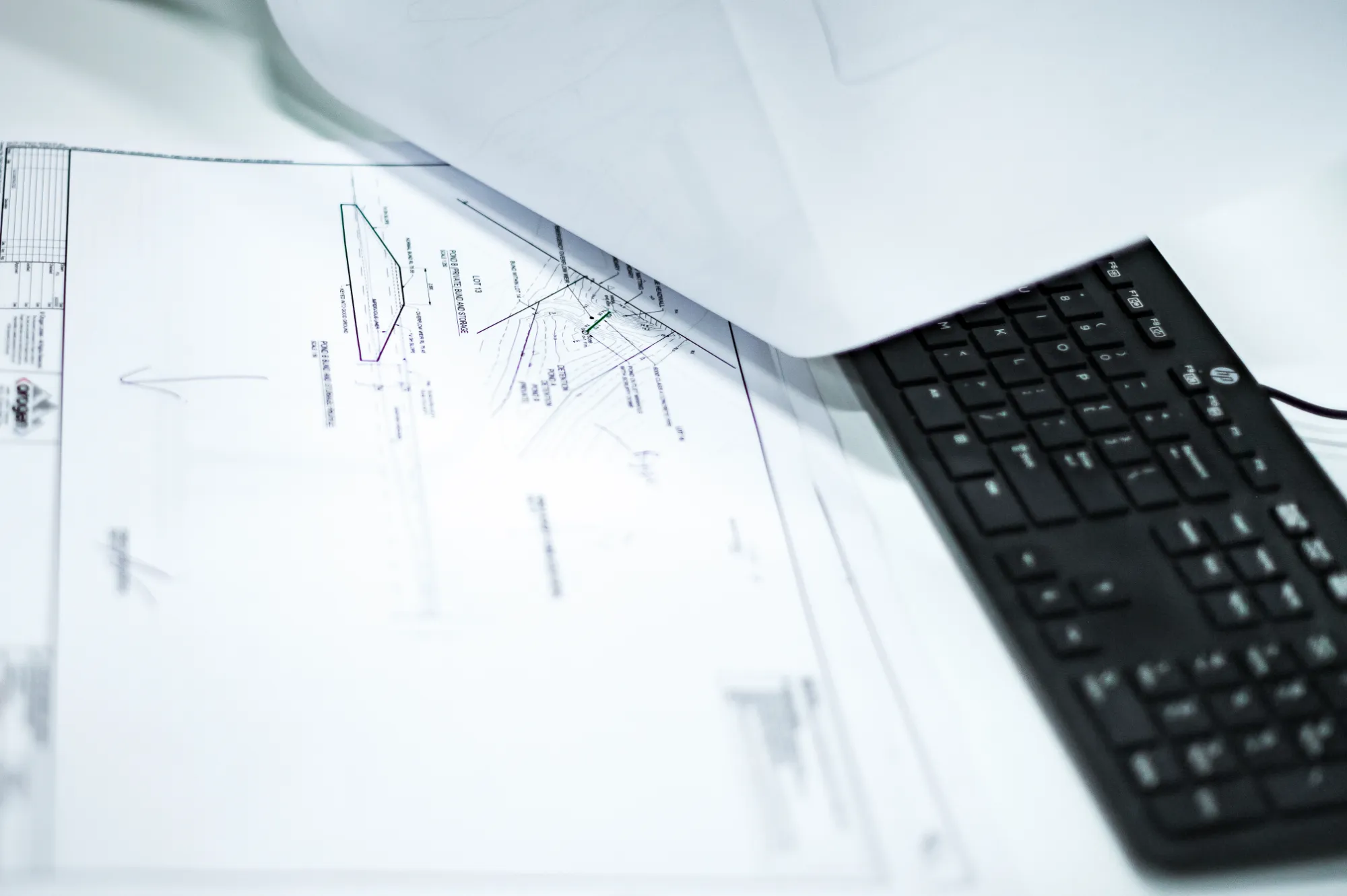
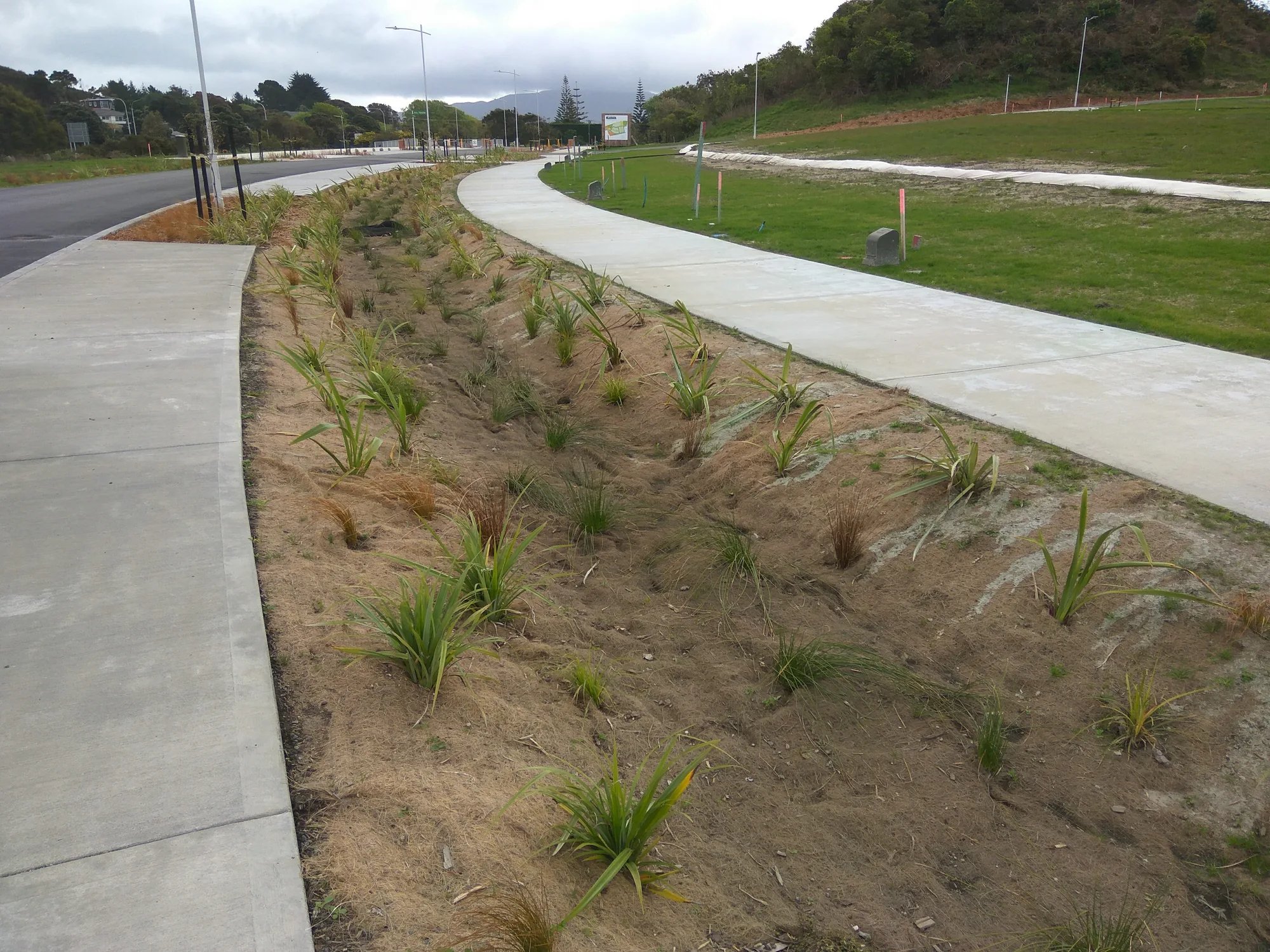
We size attenuation volumes and outlet structures using catchment hydrology and council-specified performance criteria. We design below-ground tanks, surface wetlands, and raingardens depending on what the site allows and what the council's design guidelines require. For treatment, we specify devices appropriate to the runoff characteristics - gross pollutant traps, proprietary treatment units, or constructed wetlands - and integrate them into the overall stormwater network. All systems are designed for maintainability: devices that cannot be cleaned or inspected fail over time, creating compliance problems for future landowners or body corporates.

IMG 20170929 153822
Client feedback
"Orogen rate a particular mention; their responsiveness, attention to detail and collaboration is reflected in the quality of work put forward."
Kevin Beaver, General Manager - Woodridge Homes.
Stormwater Treatment & Attenuation

FAQ

Every site is different and there can be a lot of moving parts, but the questions are often the same. Here's what clients ask us most.
Talk to Us
What is the difference between stormwater treatment and attenuation?

Attenuation controls the quantity of stormwater: it slows the peak flow from the site so that downstream pipes and waterways are not overwhelmed. Treatment addresses the quality of stormwater: it removes pollutants such as sediment, nutrients, and hydrocarbons before discharge. Many developments require both.

When is stormwater treatment required?

Stormwater treatment is required when the development discharges to a sensitive receiving environment, when the site generates significant pollutant loads (such as car parks or industrial areas), or when the regional consent requires it as a condition. Auckland's GD05 guideline and Wellington's LGWM stormwater requirements both mandate treatment for certain development types.

What treatment devices does Orogen typically design?

Raingardens (bioretention cells), proprietary catch pits with inserts, gross pollutant traps, sediment forebays, constructed wetlands, and permeable pavement. Device selection depends on the pollutant to be removed, the available space, the flow rate, and the maintenance requirements. Orogen recommends devices that are effective and practical to maintain long term.

How does Orogen size an attenuation pond or tank for my site?

We model the catchment hydrology and the required discharge limit, then size the attenuation storage to ensure the post-development peak flow does not exceed the pre-development or permitted rate. The storage can be above ground (pond) or below ground (tank or proprietary system) depending on site constraints.

What are the maintenance requirements for stormwater treatment devices?

Most treatment devices require periodic inspection and cleanout to maintain performance. Maintenance requirements should be considered at the design stage because they affect the whole-of-life cost of the infrastructure. Orogen includes maintenance requirements in the design specifications and can advise on long-term maintenance planning.

Can stormwater treatment infrastructure be shared across multiple lots?

Yes, and this is often the most cost-effective approach. A shared treatment and attenuation device serving a whole subdivision is typically cheaper to build and maintain than individual devices on each lot. It does require appropriate legal arrangements (easements or reserves) to manage the shared infrastructure. Orogen designs shared systems and coordinates the legal arrangements.

Stormwater Treatment & Attenuation

Projects

Need stormwater attenuation or treatment on your development? We'll design a system that meets the standard, fits the site, and works reliably over its full design life.
Contact Us