
Rentable Area Surveys

Certified Rentable Area measurement to the Property Institute of New Zealand / Property Council of New Zealand standard, giving landlords, tenants, valuers, and legal teams the precise, defensible figures they need for leases, rent reviews, and property transactions. Previously known as a BOMA survey.
Talk to Us
This is some text inside of a div block.

Floor area disputes are one of the most avoidable problems in commercial property. They arise when lease figures are based on old measurements, architect estimates, or numbers carried forward from a previous deal without anyone checking. We see it regularly: a landlord and tenant in a rent review who cannot agree on the Rentable Area, or a sale process stalled because no one can confirm what the building actually measures. The solution is straightforward. Get it measured properly, to a recognised standard, before it matters.

Orogen measures floor areas to the Property Institute of New Zealand & Property Council of New Zealand standard, the 'Guide for the Measurement of Rentable Areas, March 2023', (previously known as a BOMA survey) to define Rentable Area and Service Area allocation. It is the standard that valuers, solicitors, and major landlords rely on across New Zealand because it produces figures that are consistent, transparent, and hard to argue with.
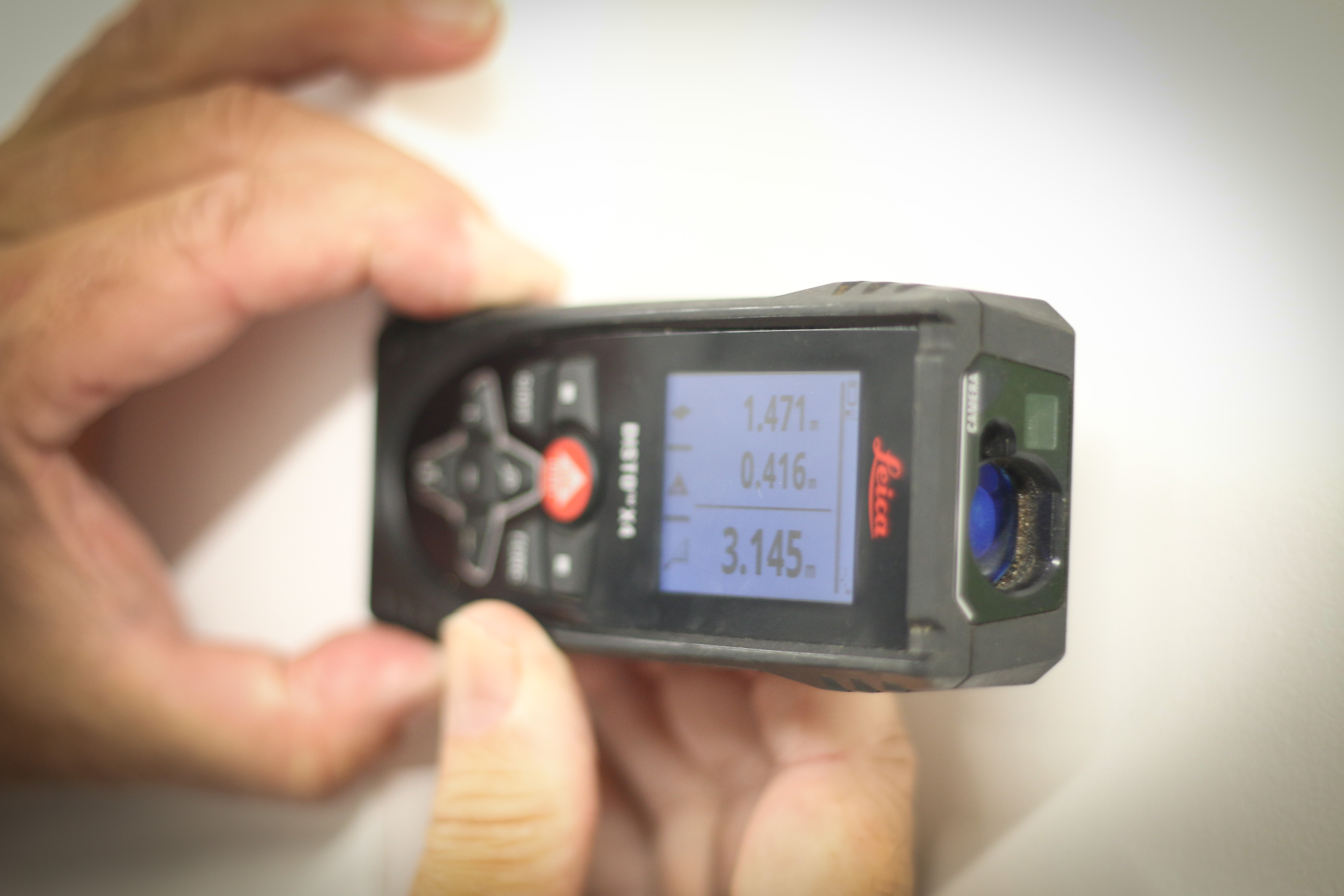
We carry out a full internal measurement of the tenancy or building using total station and laser equipment, calculate each component of the area schedule in line with the PINZ/PCNZ methodology, and deliver a clear, documented output that can go straight to your valuer, solicitor, or lease schedule. Where buildings have been refurbished, reconfigured, or where existing records are absent or unreliable, we survey from first principles and give you a clean set of figures you can stand behind.

We work with building owners, property managers, commercial tenants, valuers, and legal teams across the Wellington region, covering office buildings, retail tenancies, industrial and warehouse premises, mixed-use developments, and multi-tenancy commercial complexes. If there is a lease, a review, or a transaction involved, and area is part of the picture, we can give you the certainty you need to move forward.


Client feedback
"Orogen rate a particular mention; their responsiveness, attention to detail and collaboration is reflected in the quality of work put forward."
Kevin Beaver, General Manager - Woodridge Homes.
Rentable Area Surveys

FAQ

Every site is different and there can be a lot of moving parts, but the questions are often the same. Here's what clients ask us most.
Talk to Us
What is the difference between NLA and GFA, and which one does my lease use?

Net lettable area (NLA) is the area a tenant actually occupies and pays rent on. It is measured from the inside face of the tenancy walls and excludes structural elements, shared corridors, building service areas, and common facilities. Gross floor area (GFA) is the total building footprint measured from the outside face of the external walls and includes everything: tenancies, common areas, plant rooms, and structure. Most commercial leases in New Zealand are priced on NLA. GFA is used for planning, rates, and whole-of-building assessments. The PCNZ standard sets out precisely how each figure is calculated so that the numbers mean the same thing regardless of who is reading them. If you are unsure which figure your lease refers to, bring it along and we will point you in the right direction before we start.

Our lease already has an area figure in it. Why would we need a new measurement?

Because lease area figures are often wrong, and the longer they sit unchecked, the more they cost. Figures get carried forward from old leases, taken from architect drawings that were never verified on site, or measured to a methodology nobody can trace. Over a long lease term, even a small discrepancy between the stated area and the actual area translates into real money. When a rent review approaches, when a building changes hands, or when a tenant questions what they are paying for, having a current certified Rentable Area measurement removes the ambiguity and removes the argument. A resurvey occasionally reveals that a tenancy has been over or under-rented for years. Finding that out is always better than not finding it out.

Do you need to survey the whole building, or can you just measure our tenancy?

We can do either, and the right answer depends on what you are trying to achieve. For a single tenant dealing with a lease or review, we can measure just that tenancy and provide a certified NLA. For building owners, property managers, and valuers working across a multi-tenancy property, surveying the whole building in one programme is more cost-effective and gives you an area schedule where every figure is internally consistent, which matters when leases are staggered or when the building is being valued or sold. We will ask a few questions at the start to make sure we scope the right job for your situation.

How long does a Rentable Area survey take, and will it disrupt our tenants?

A single tenancy survey is typically a half-day on site, with the area schedule delivered within a few working days. A full multi-storey commercial building with multiple tenancies usually takes one to two days on site, depending on floor complexity and access arrangements. We work around occupied tenancies and coordinate access directly with property managers where needed. If you have a hard deadline, such as a lease execution date or a valuation programme, tell us upfront and we will plan around it. We are used to fitting site work into busy commercial environments without causing disruption.

Can Orogen work directly with our valuer, lawyer, or property manager?

Yes, and we do it regularly. We provide area schedules and supporting documentation directly to commercial valuers, solicitors, and property managers as part of sale, lease, or financing processes. If your valuer has specific format requirements for how they want the output presented, or if your solicitor needs something for a due diligence package, we will work to that brief. We are used to operating as part of a wider professional team on commercial property transactions and happy to make direct contact with whoever needs the information so the process moves without bottlenecks.

No items found.
Area uncertainty costs more than a survey. Talk to us before the lease is signed, the review lands, or the dispute starts.
Contact Us