.svg)

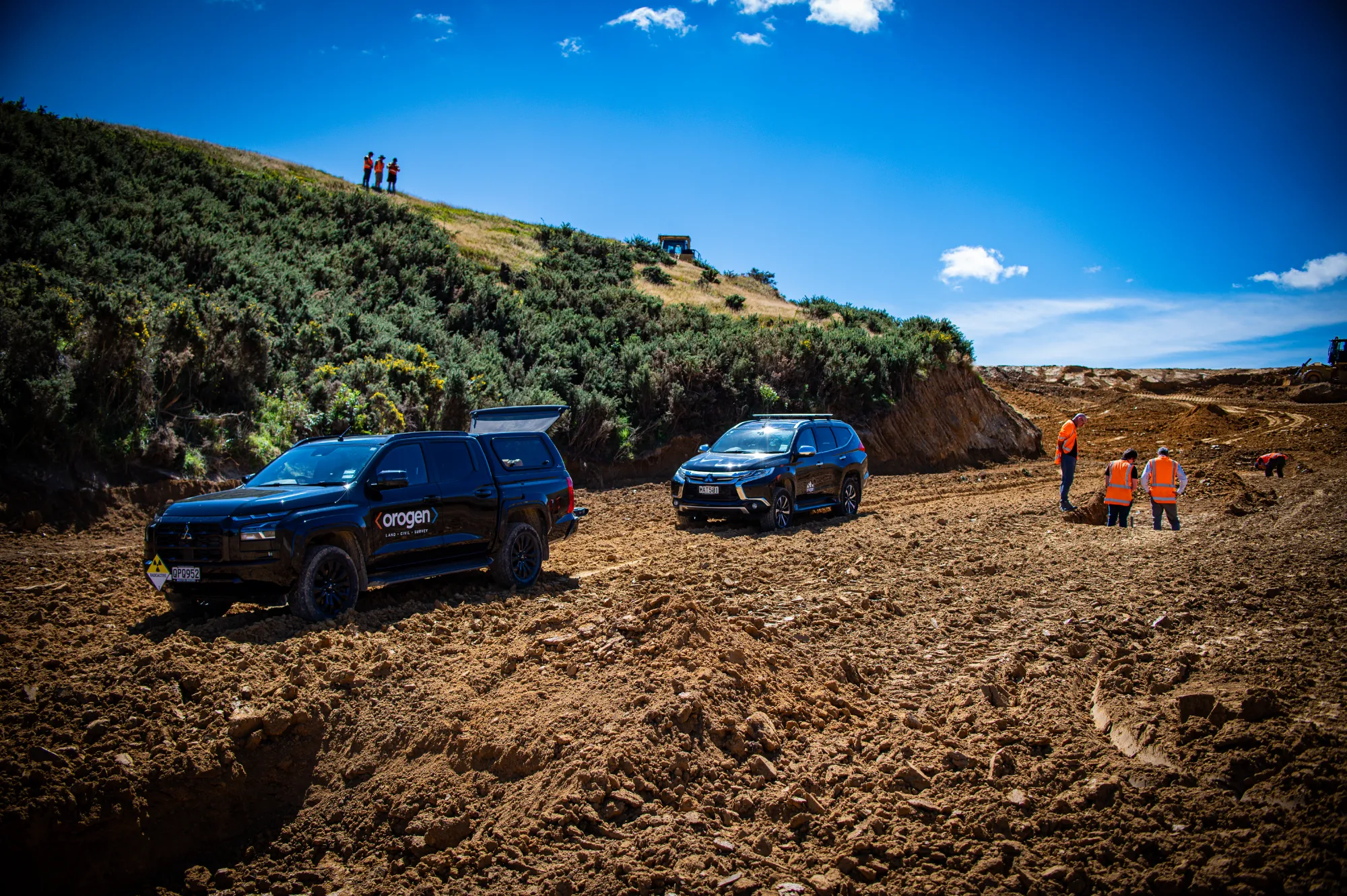
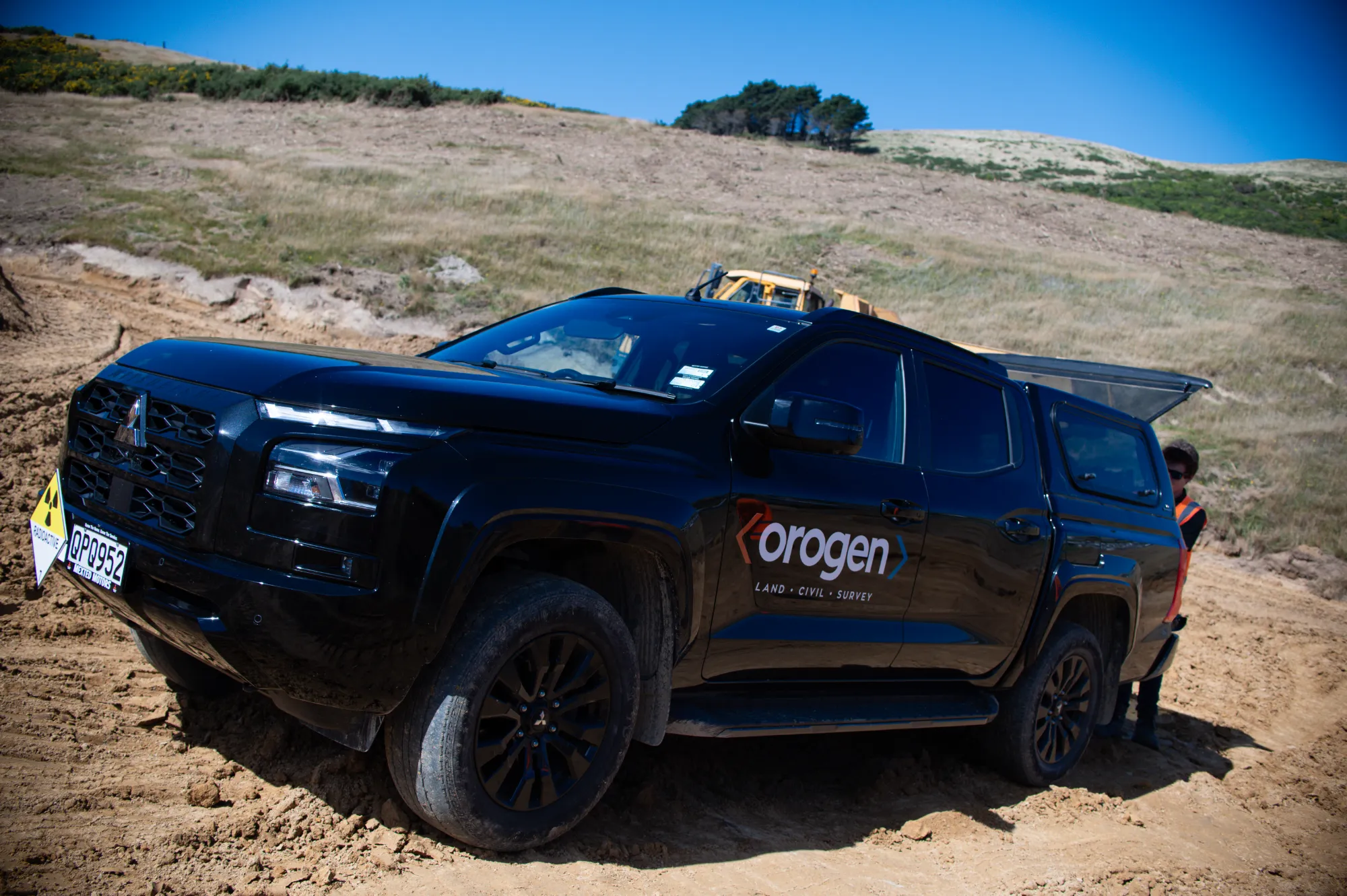
Soil management encompasses the engineering assessment and design of how soils on a site will be handled during and after construction - including cut and fill material classification, geotechnical report interpretation, on-site material reuse, soakage capacity assessment, and the design of earthworks that respect what the ground actually contains.
Not all soil is the same. Expansive clays, wet ground, loose fill, and contaminated material behave differently under load - and treating them as though they do not can lead to platform failures, differential settlement, and drainage problems. Understanding what is in the ground and designing accordingly is fundamental to a project that performs as intended and does not come back with problems after handover.
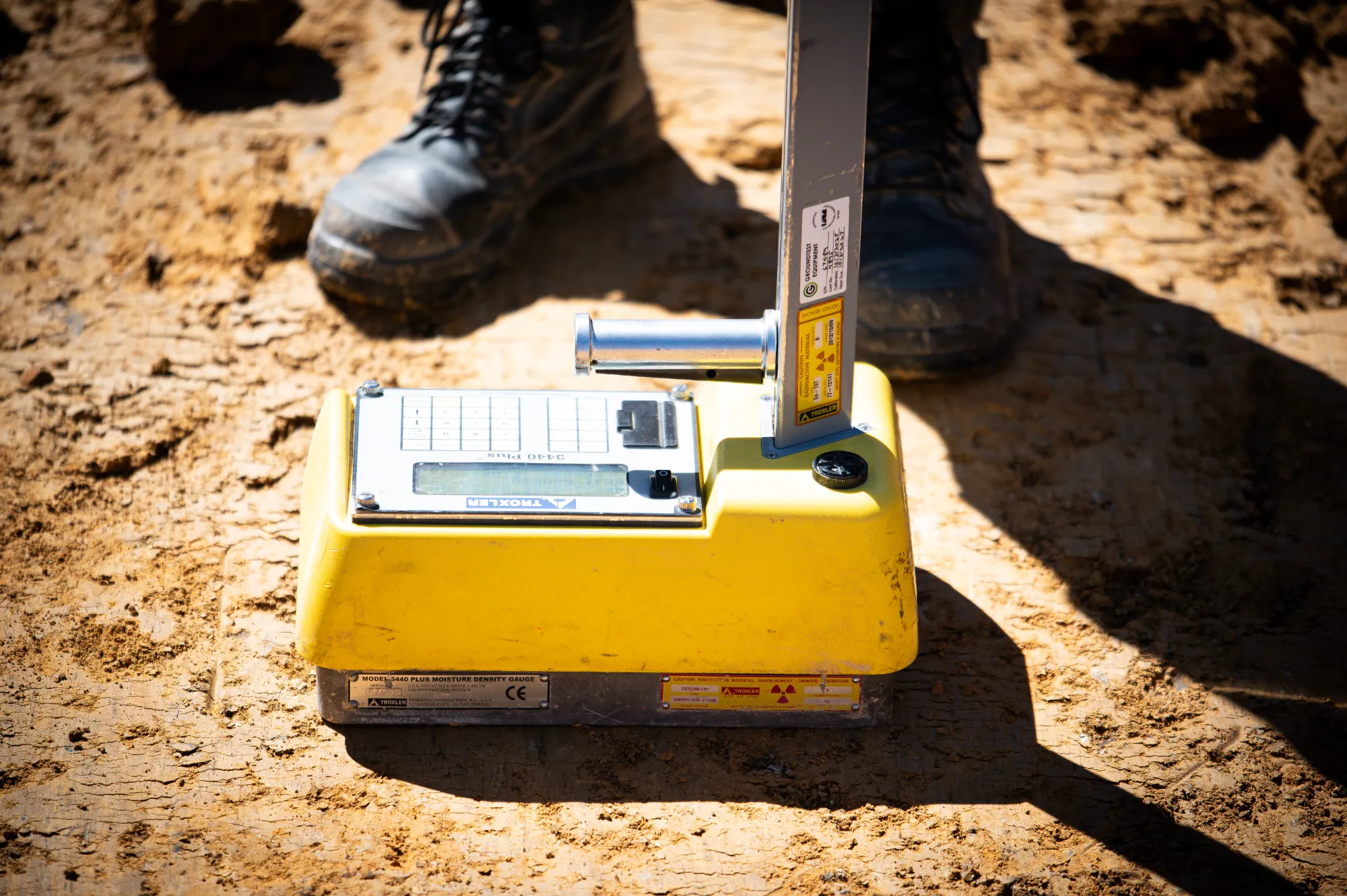
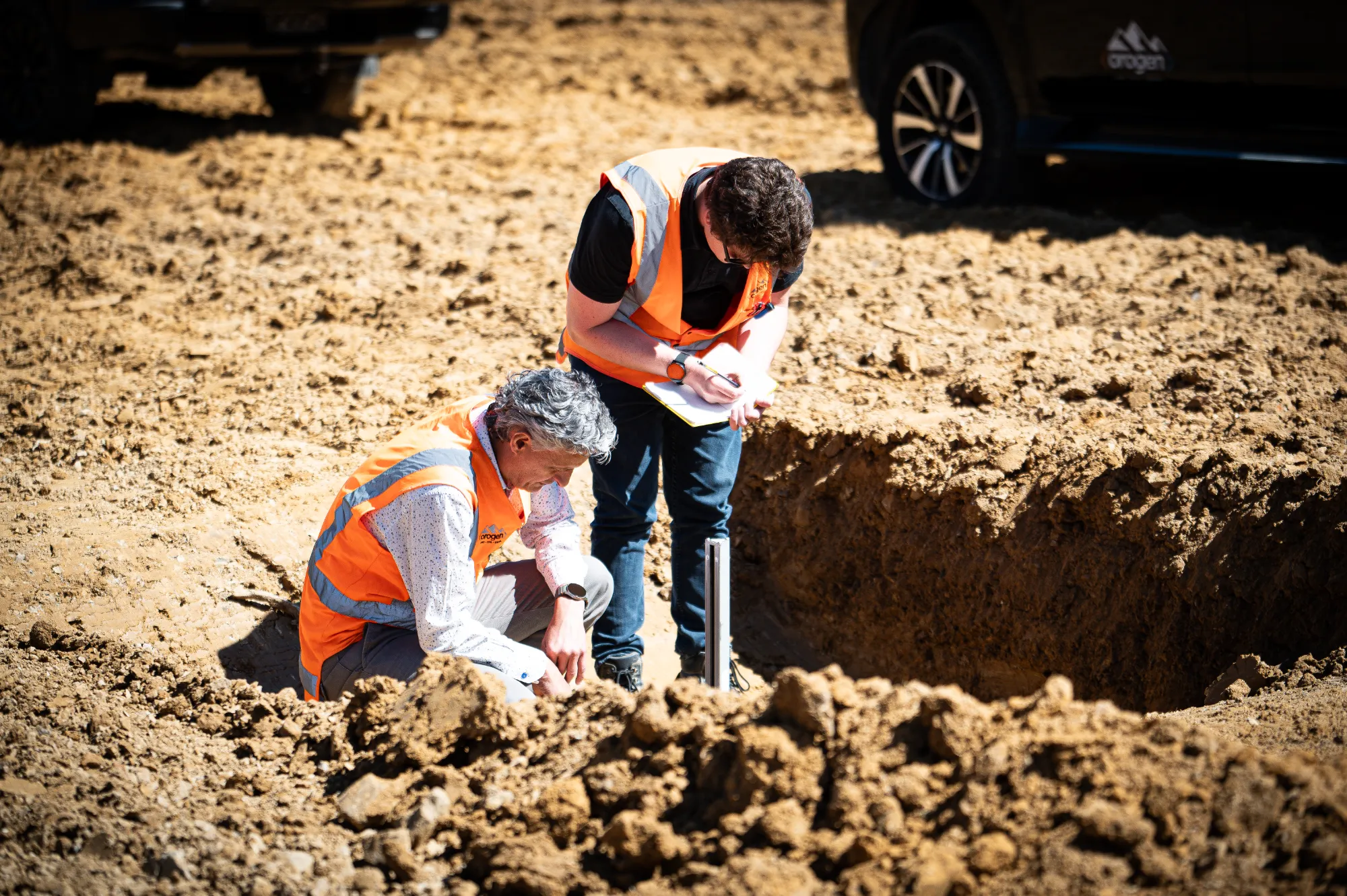
We interpret geotechnical investigation reports and translate findings into engineering decisions: what material can stay, what must go, what compaction standards apply, and what foundation conditions the structural engineer needs to design to. We conduct or coordinate soakage testing where on-site stormwater disposal is proposed and assess groundwater conditions where they affect platform levels or excavation depth. Where specialist geotechnical input is required beyond civil engineering scope, we engage the right engineers and coordinate their findings into the broader design. A pragmatic, site-specific approach - not a generic specification applied regardless of what the ground says.