Earthworks Testing & Certification

NZS 4431 compaction testing and NZS 3604 Good Ground certification for building platforms, providing documentation councils require before building consents can issue.
Talk to Us
This is some text inside of a div block.

Geotechnical testing and certification confirm that completed earthworks and building platforms meet the engineering standard required for their intended use.

NZS 4431 sets out the acceptance testing requirements for engineered fill - compaction standards, layer thicknesses, and quality assurance processes.

NZS 3604 defines what constitutes 'good ground' for light timber-framed buildings.

Together, they underpin the certification that councils require before building consents can be issued on new development lots.

Without certified good ground or passing NZS 4431 compaction test results, a building consent cannot be issued - and lots cannot be sold to purchasers who intend to build. Earthworks that fail testing must be remediated, which is costly and delays the entire development programme. Getting the testing regime planned correctly during construction, and retaining the records properly, is what keeps this pathway clear. Leaving testing to the end - or not tracking which areas have been tested - is where the problems start.

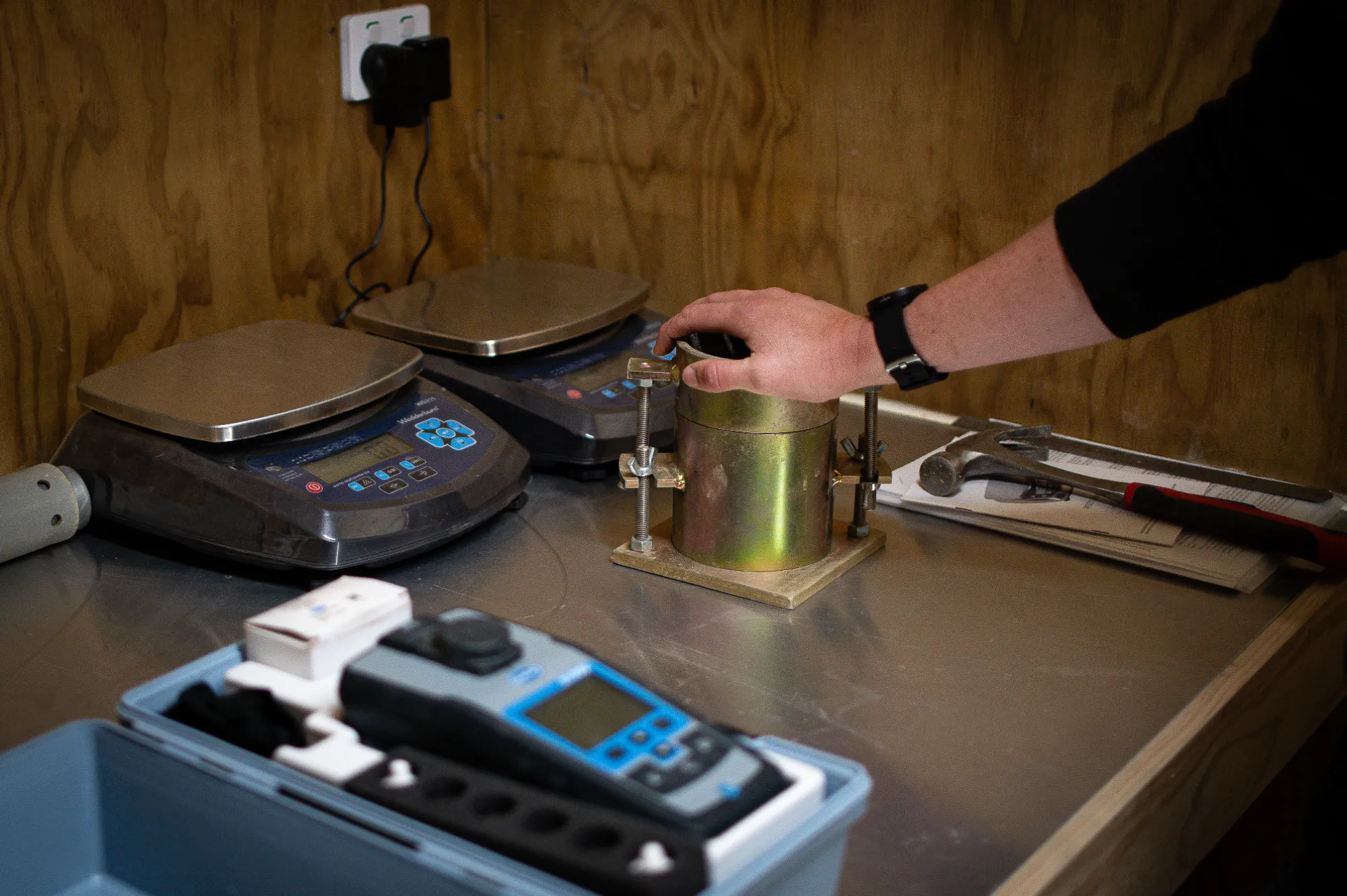
We work with accredited geotechnical testing laboratories to plan and manage the testing programme for earthworks and building platforms - specifying test frequencies, monitoring results across all fill areas, and identifying any areas requiring remediation before they become critical path issues. We interpret results against NZS 4431 acceptance criteria and prepare the certification statements that engineers and councils need. For NZS 3604 good ground assessments, we work with the geotechnical engineer to evaluate foundation conditions and prepare written determinations that allow building consent to proceed. Clear records, properly assembled - so the certification pathway is never held up by missing paperwork.
Orogen SiteImages 224
Orogen Office 89
Orogen Office 88
Orogen Office 12
Orogen Office 104
Orogen Office 14
Orogen Office 13
Orogen Office 96
IMG 20171122 141247
Earthworks Testing & Certification

FAQ

Every site is different and there can be a lot of moving parts, but the questions are often the same. Here's what clients ask us most.
Talk to Us
What earthworks testing does Orogen carry out?

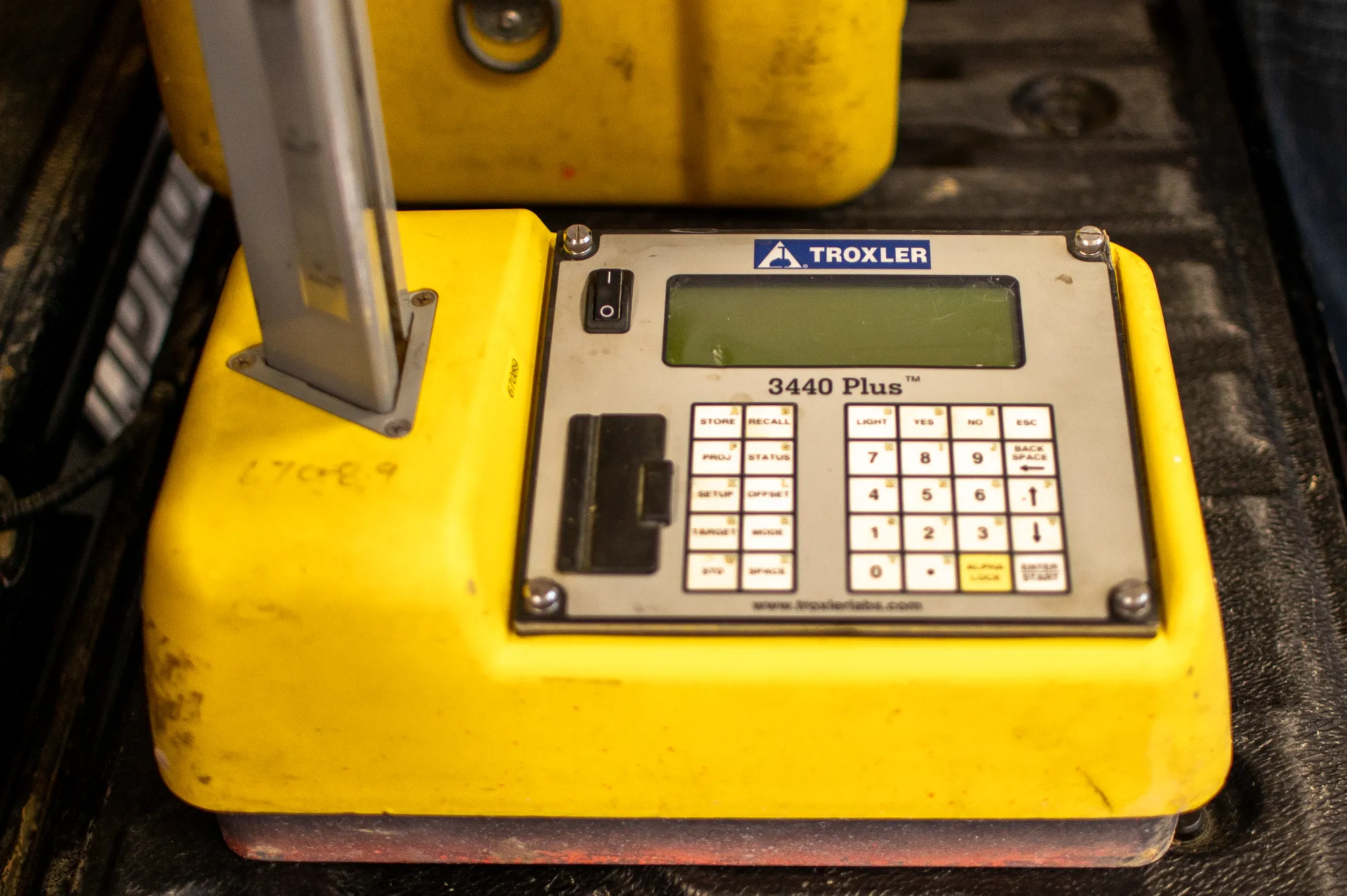
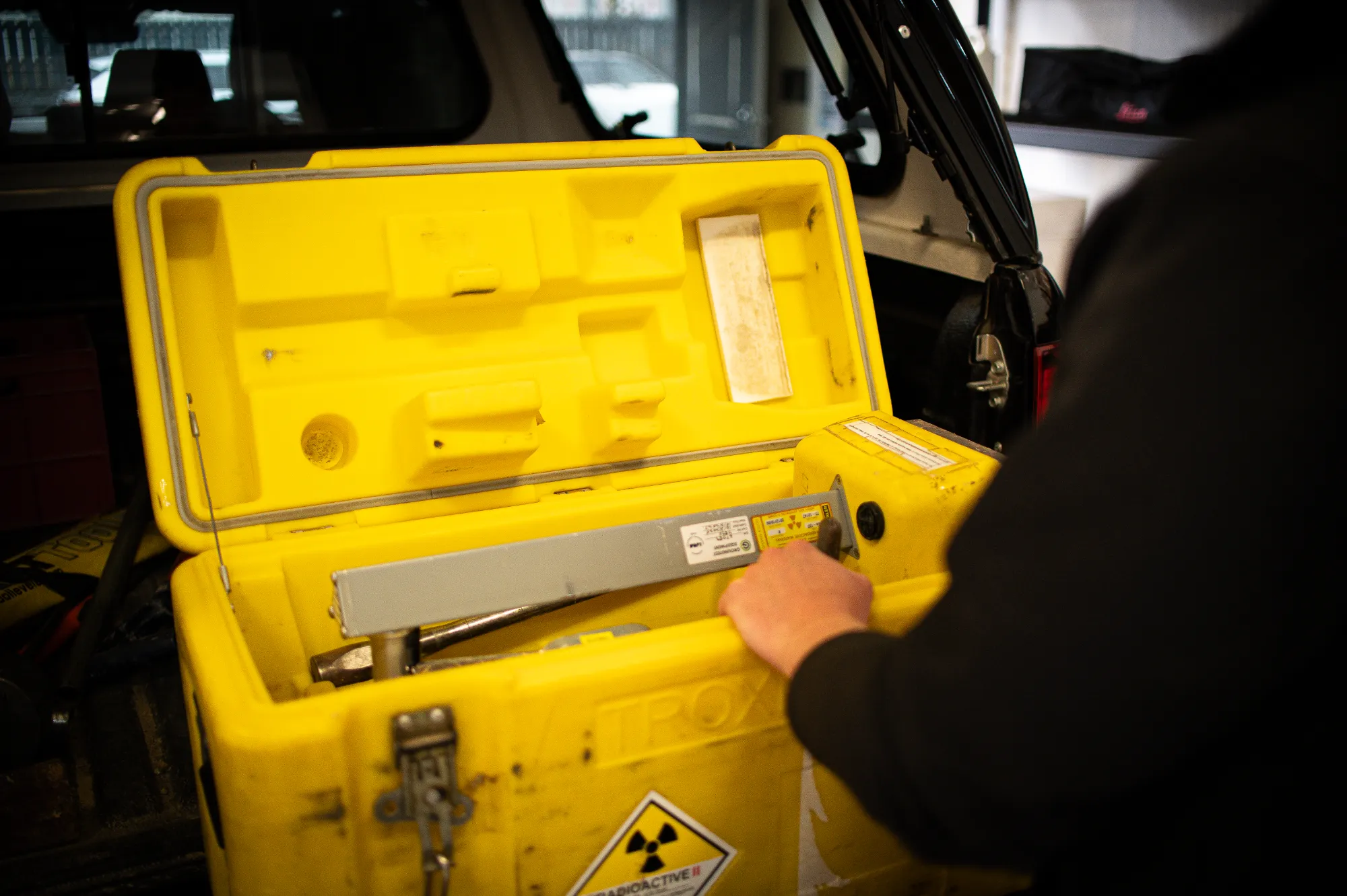
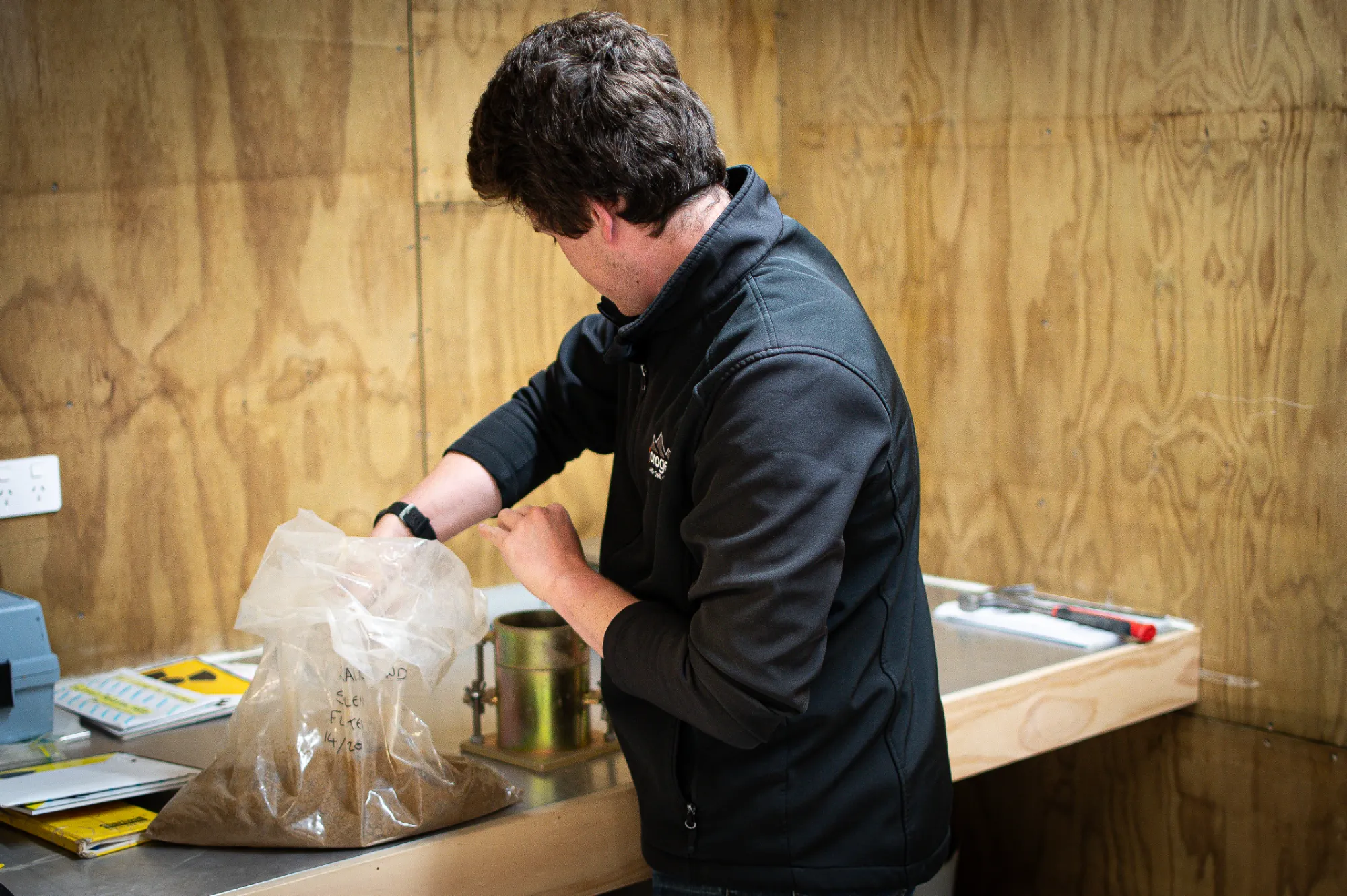
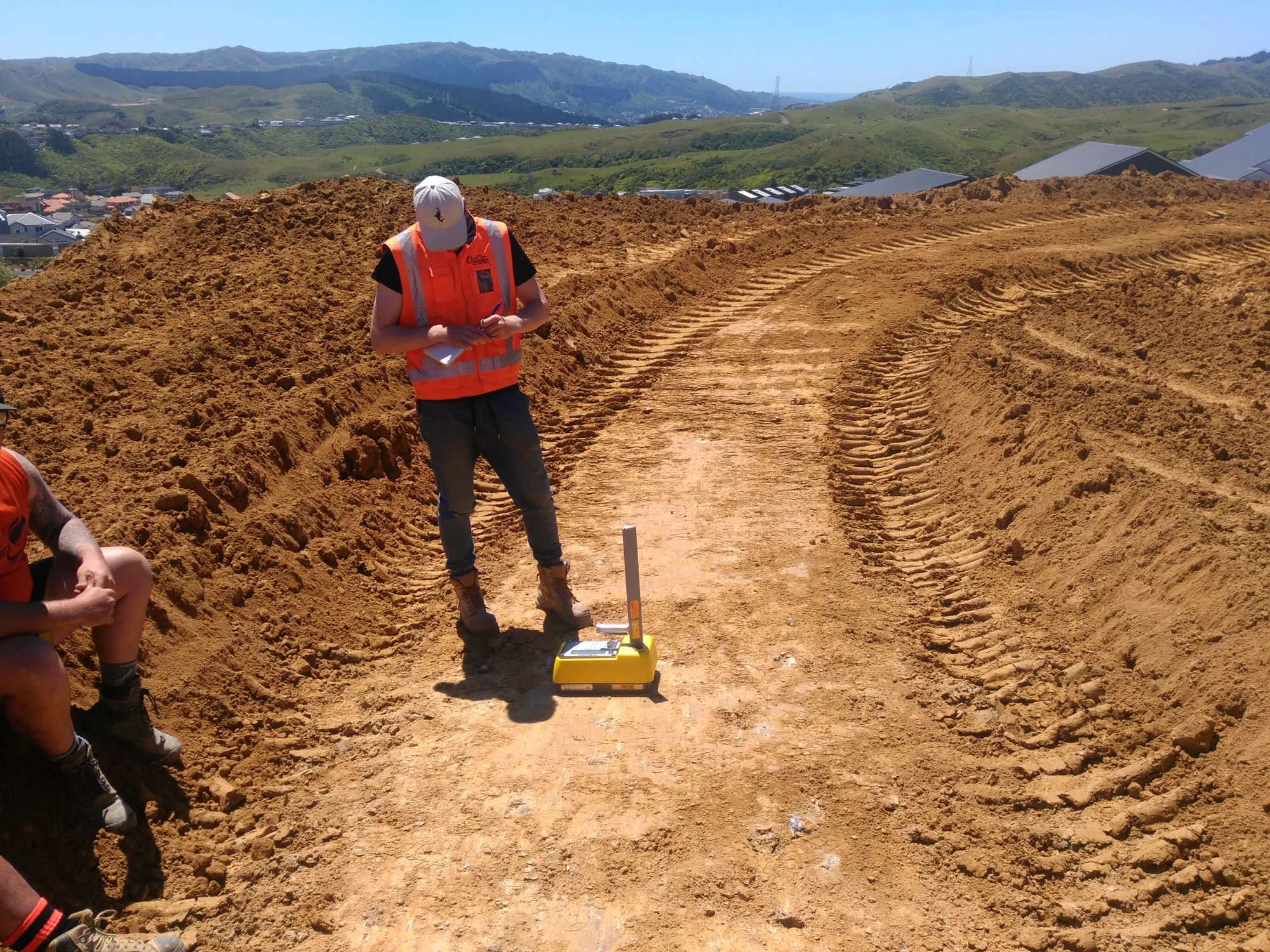
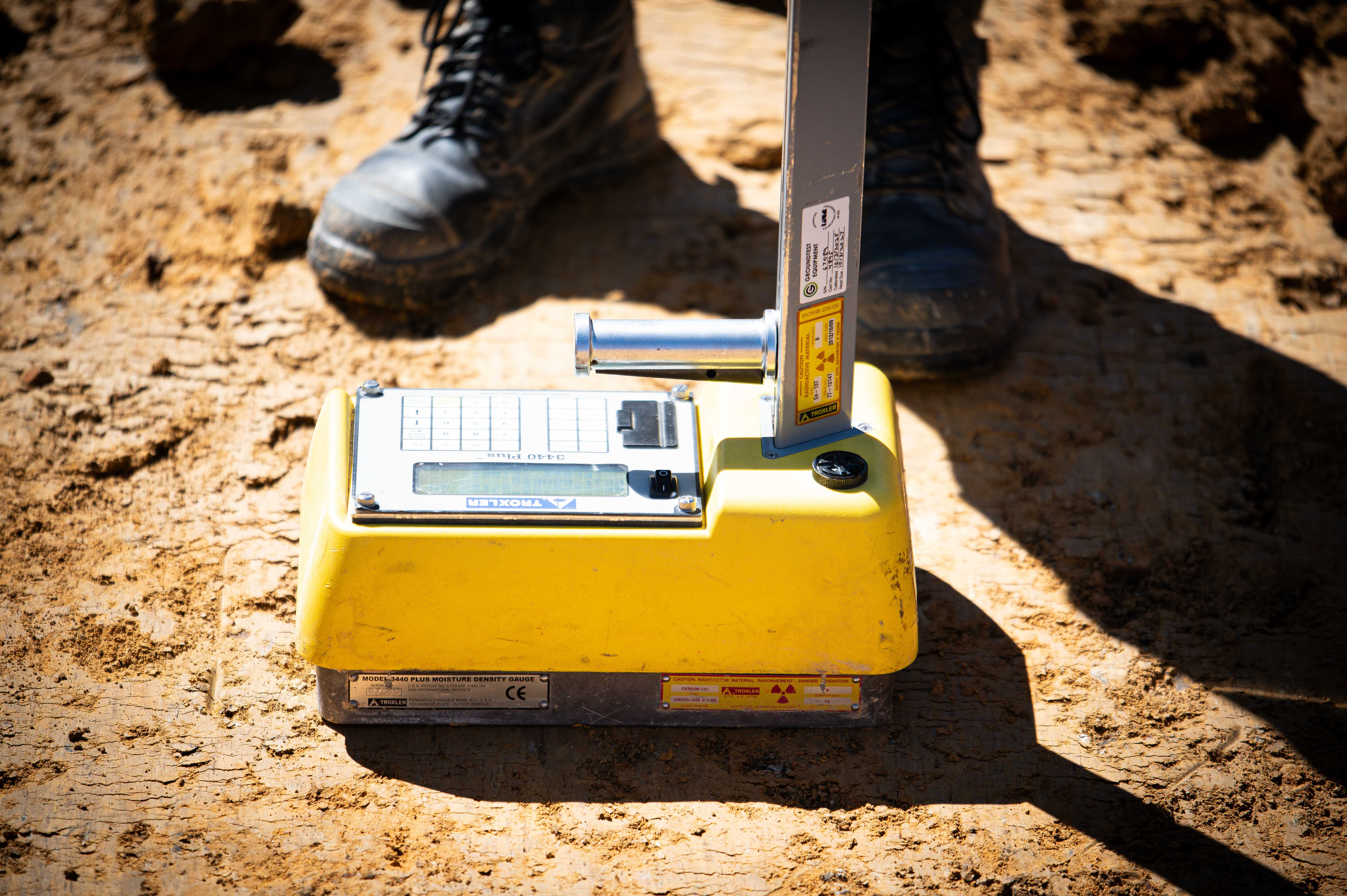
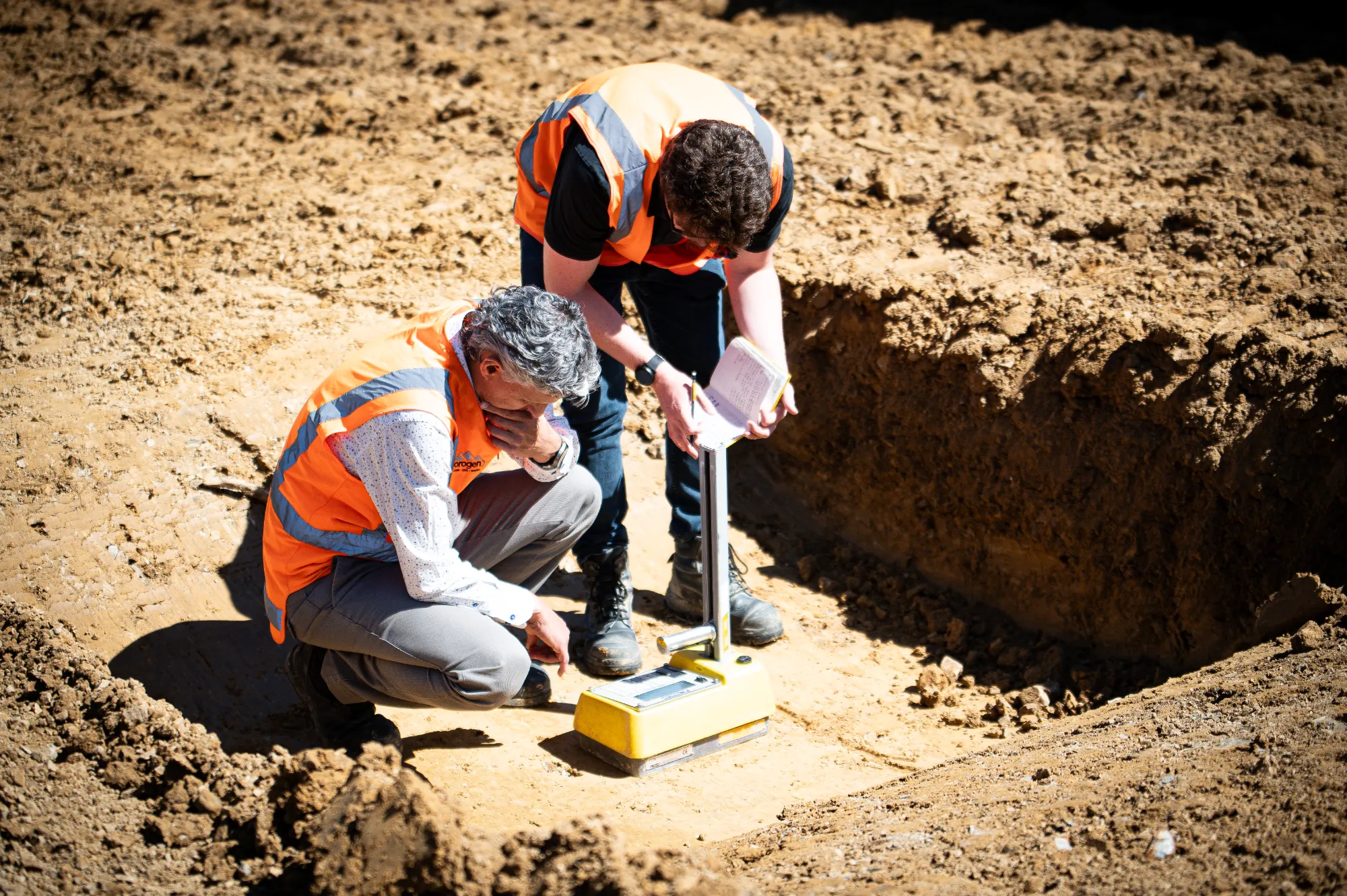
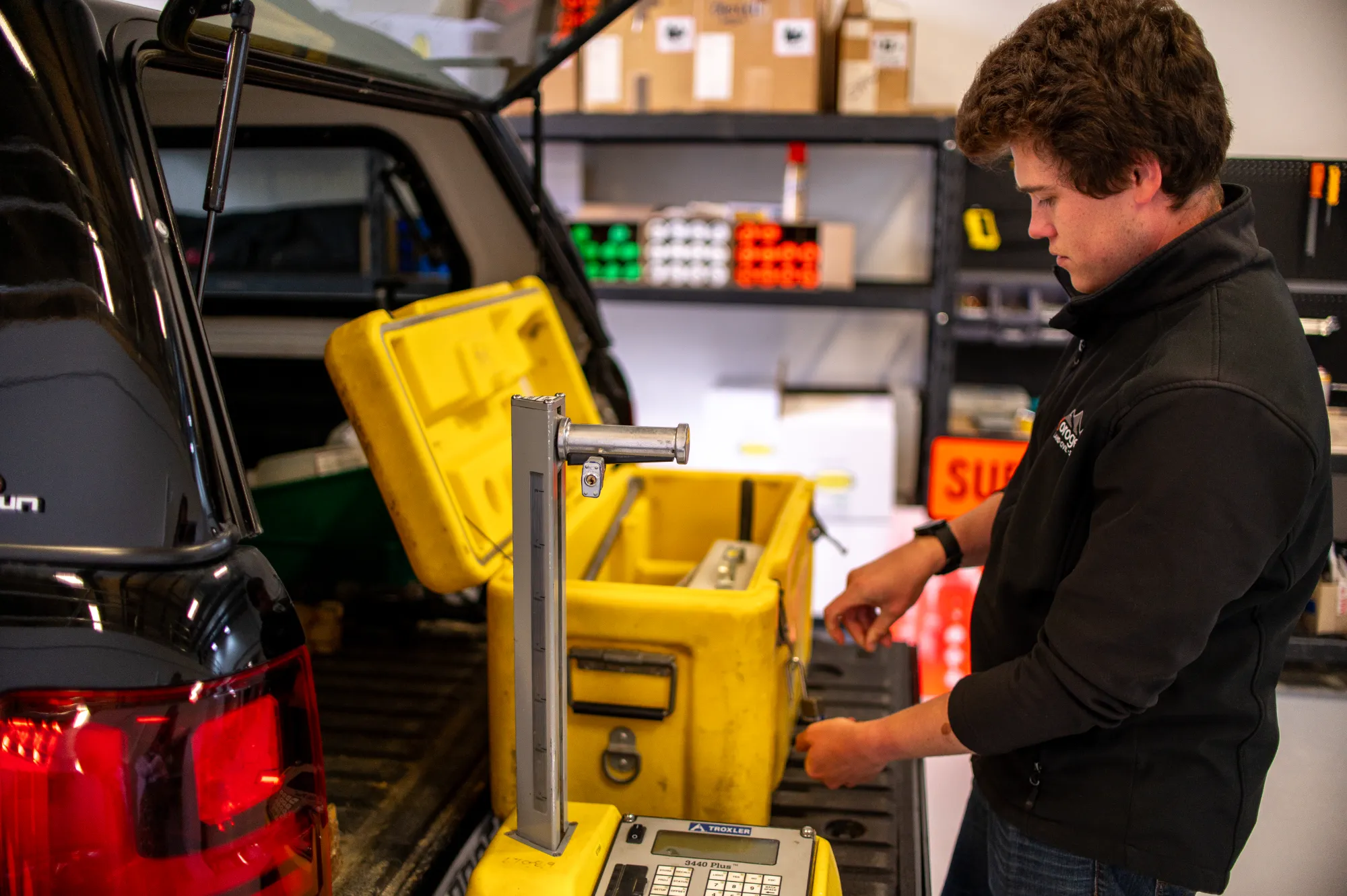
Orogen carries out in-situ density testing using nuclear densometers, Clegg impact hammer testing, and visual assessment of fill material. We can also arrange laboratory testing (Proctor compaction tests, CBR tests, grading analyses) through accredited testing laboratories where the specification requires it.

Why is earthworks testing important?

Compaction testing verifies that fill has been placed and compacted to the density required by the geotechnical specification. Without testing, there is no objective evidence that the fill meets the required standard. Consent conditions and NZS4431 requirements make testing mandatory for most residential and commercial earthworks.

What is a compaction test and when is it needed?

A compaction test measures the density of compacted fill relative to the maximum density achievable in the laboratory. It is carried out on each compacted layer of fill at specified intervals. A passing result is required before the next layer can be placed. Failing results trigger remediation and retesting.

How does earthworks testing support consent compliance?

Consent conditions and council inspection hold points require evidence of compaction compliance before earthworks can proceed. Orogen's testing records form part of the geotechnical completion report that supports engineering certification and council sign-off.

What happens if earthworks testing fails?

Failing test results require remediation before further fill placement. This typically means removing or re-compacting the non-compliant material and re-testing. Orogen advises on what is needed and re-tests once remediation is complete. We document the failure, the remediation, and the passing retest result.

How does Orogen manage testing across large earthworks projects?

On large projects, Orogen sets up a systematic testing regime with defined test locations and frequencies, and maintains a testing record database. Regular reporting keeps the client and contractor informed of compliance status. We flag areas where testing results are marginal so risks are managed proactively.

What is NZS4431?

NZS4431 is the New Zealand Standard for the Code of Practice for Earthfill for Residential Development. It sets out the requirements for the design, placement, and testing of fill used as a foundation for residential buildings. Compliance with NZS4431 is typically required by councils as a condition of subdivision consent on sites with significant earthworks.

When does NZS4431 apply to a development project?

NZS4431 applies when residential buildings are to be founded on engineered fill. This includes most greenfield and cut-and-fill residential developments where the finished platform levels differ significantly from the existing ground levels. Council consent conditions and building consent requirements typically specify NZS4431 compliance.

What does NZS4431 compliance involve from an engineering perspective?

NZS4431 requires the earthworks to be designed by a geotechnical engineer, fill to be sourced from approved material, placement to be in controlled layers, compaction to be tested at specified intervals, and the completed earthworks to be certified by a Chartered Professional Engineer. Orogen manages all of these requirements as part of our earthworks service.

What testing is required under NZS4431?

NZS4431 requires in-situ density testing of each compacted fill layer at specified test frequencies (typically one test per 500 square metres or per 200 cubic metres). Test results must show that the compacted density meets the specified percentage of the maximum dry density determined by laboratory Proctor testing.

How does Orogen certify compliance with NZS4431?

At completion of the earthworks, Orogen prepares a geotechnical completion report summarising the fill sources, placement records, compaction test results, and any departures from the design. This report is signed by a Chartered Professional Engineer and submitted to the council as evidence of NZS4431 compliance.

What happens if fill does not meet NZS4431 requirements during construction?

Non-compliant fill must be removed or remediated before the next layer can be placed. Orogen advises on what action is required and re-tests after remediation. A clear record of the non-compliance, the remediation, and the passing retest is maintained in the project file.

What is a Good Ground determination?

NZS3604 is the New Zealand Standard for light timber-framed buildings. It includes foundation design tables that apply when the ground conditions are classified as 'Good Ground.' A Good Ground determination is an assessment by a qualified geotechnical engineer or engineering geologist that the site meets the NZS3604 criteria, allowing the building to use the standard's simplified foundation designs.

When is a Good Ground determination required?

A Good Ground determination is required when a building consent application relies on NZS3604 foundation designs and the ground conditions are not obviously compliant from visual inspection alone. Councils often require a written determination from a qualified engineer before accepting that NZS3604 foundations are appropriate.

What does Orogen assess as part of a Good Ground determination?

We review the site's geotechnical history, council hazard maps, any available borehole or test pit data, and carry out a site visit. We assess the bearing capacity, stability, and settlement potential of the ground and confirm whether it meets the NZS3604 criteria or whether a site-specific geotechnical investigation is needed.

What is the difference between Good Ground and a site-specific geotechnical report?

A Good Ground determination confirms that the site meets the NZS3604 standard conditions, allowing standard foundation designs to be used. A site-specific geotechnical report is a more comprehensive investigation required for sites with unusual ground conditions, high loading, or where NZS3604 foundations are not appropriate. Sites that do not qualify as Good Ground need a site-specific report.

How long does a Good Ground determination take?

Most Good Ground determinations are completed within three to five working days. If we need to carry out test pits or arrange laboratory testing, the timeframe is longer. We will advise on the scope and timeframe when you contact us with the site details.

What happens if the ground does not meet the Good Ground threshold?

If the site does not qualify as Good Ground, the building cannot use NZS3604 foundation tables without modification. A site-specific geotechnical investigation will be required to determine appropriate foundation design parameters. Orogen will tell you clearly what is needed and can manage the geotechnical investigation if required.

Need bulk earthworks testing or Good Ground certification? Talk to us - we'll manage the testing programme and produce the documentation that certifies your building platforms and keeps your titles programme on track.
Contact Us