.svg)

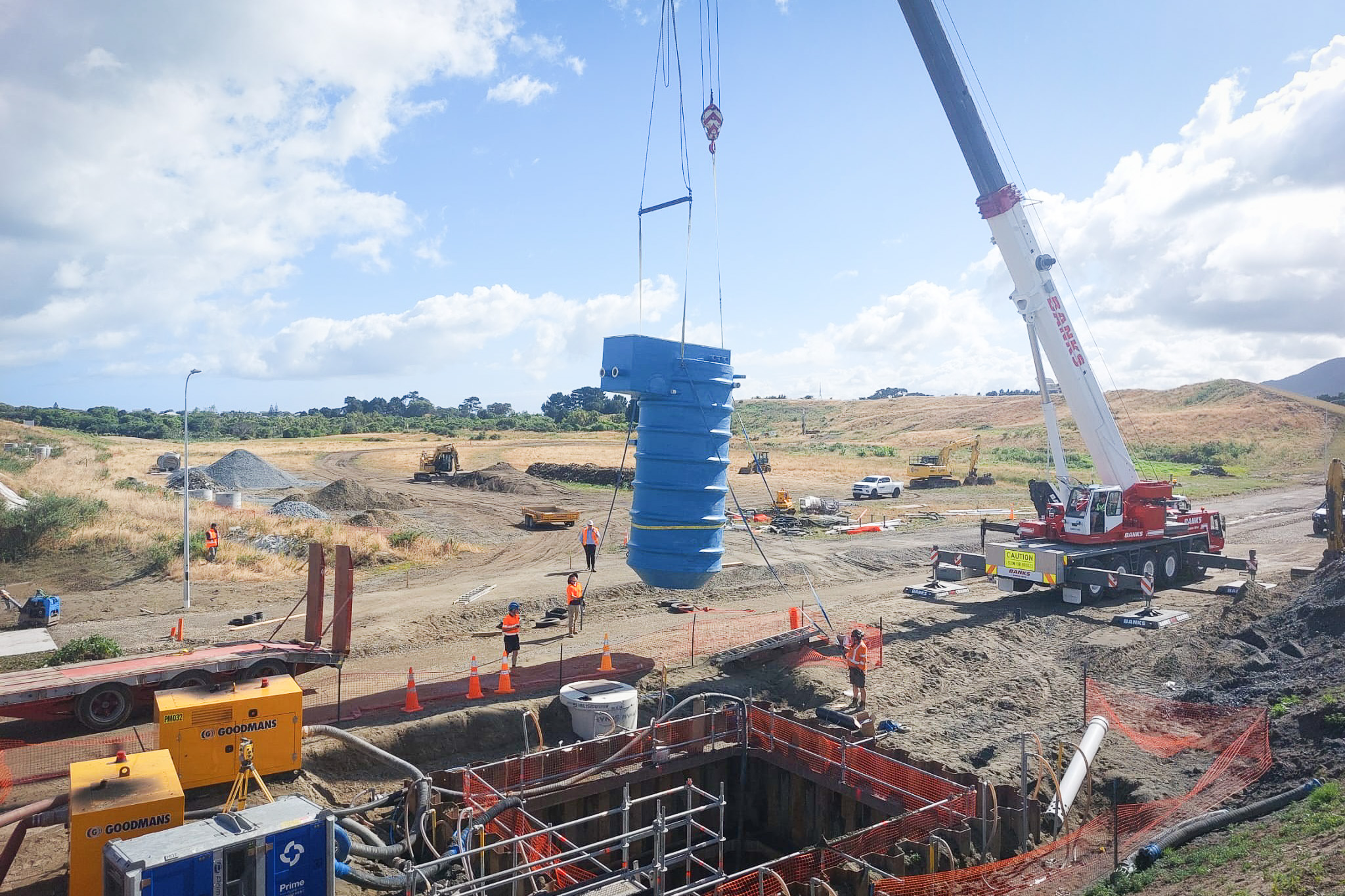
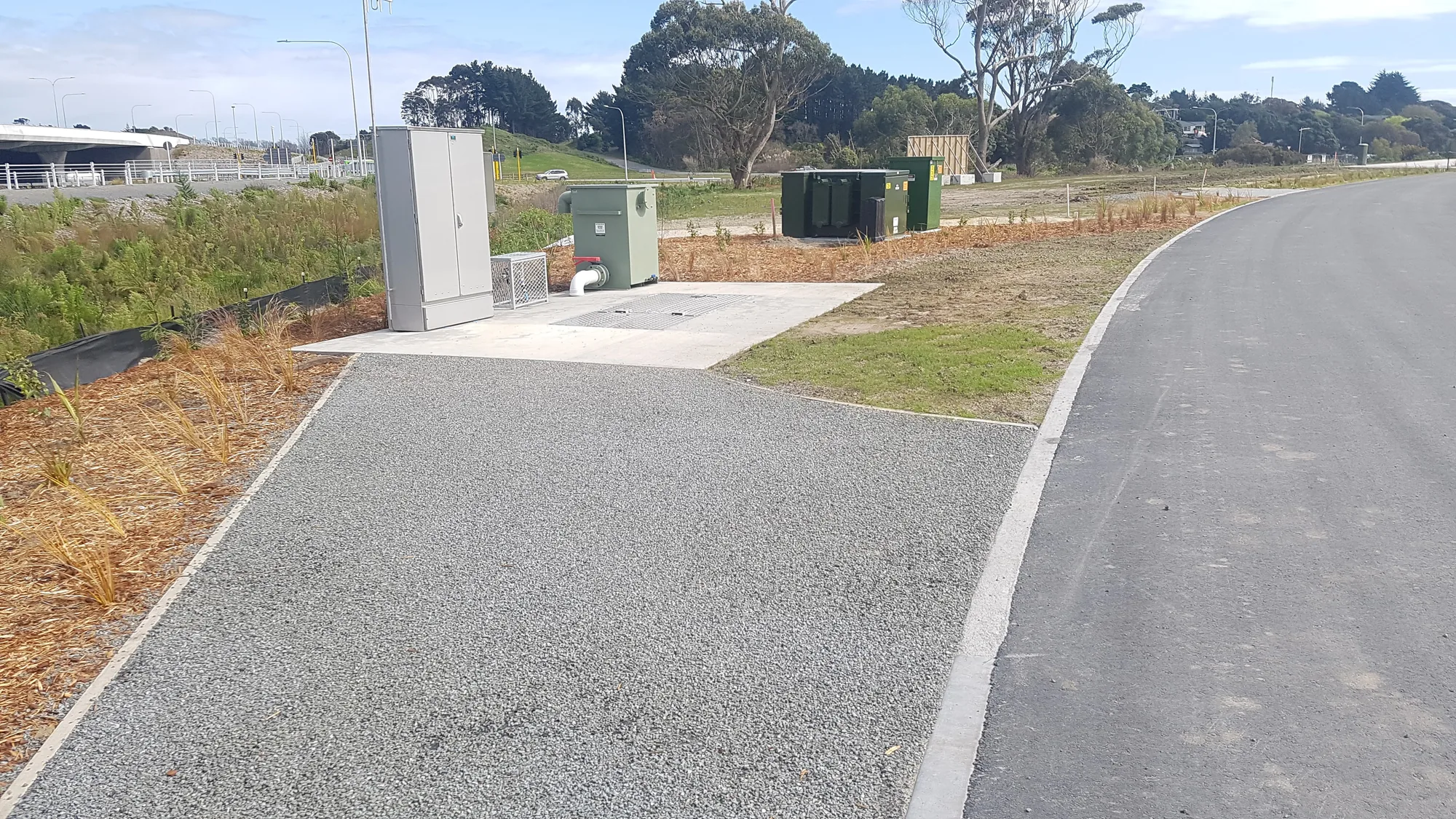
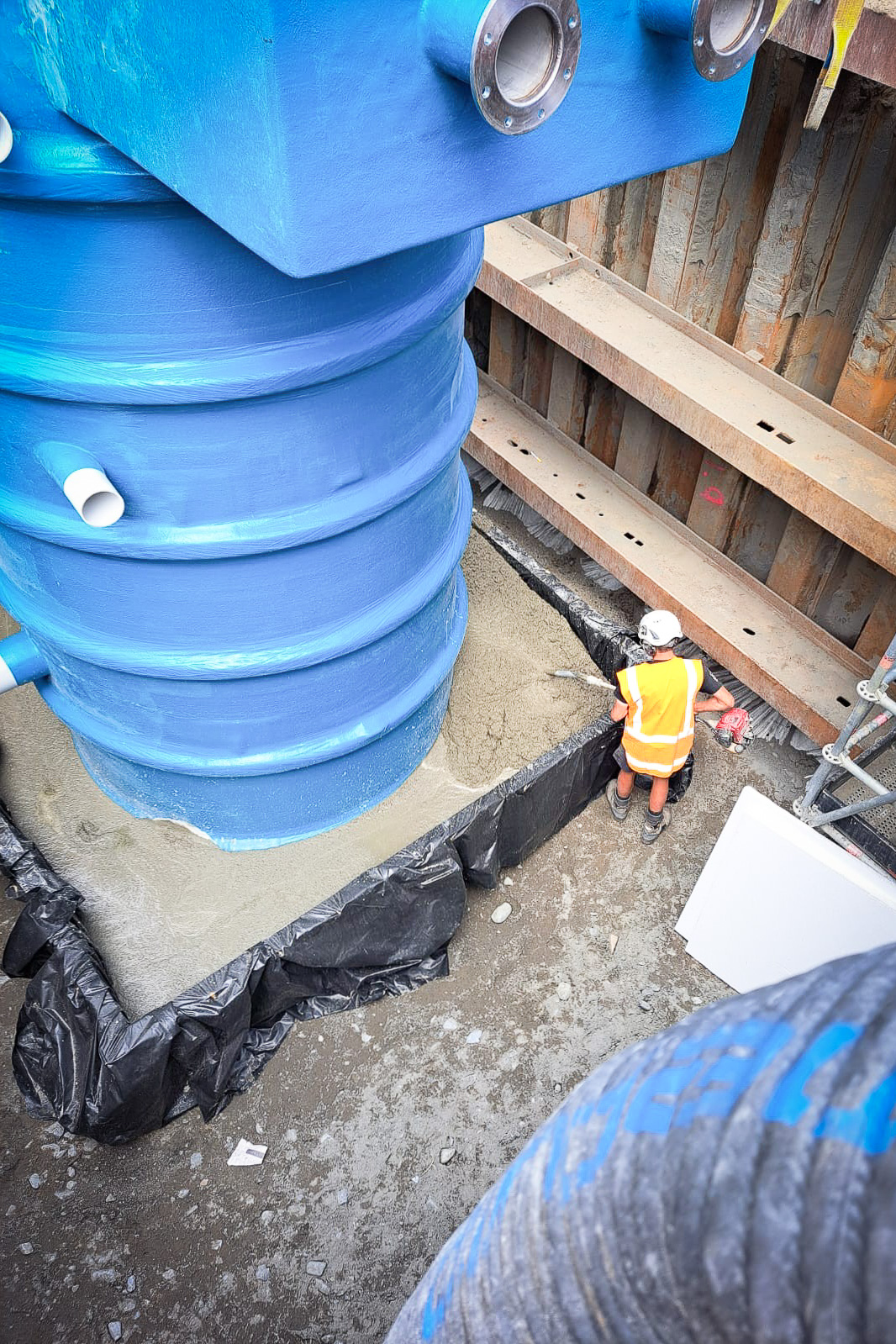
Where gravity flow is not achievable - in low-lying areas or where sewer depth would become impractical - a pump station lifts wastewater through a rising main to a higher point in the network. Pump station design encompasses wet well sizing, pump selection and performance verification, rising main hydraulics including surge assessment, control and telemetry systems, and the civil, structural, mechanical, and electrical elements that make the station operable and maintainable.
Pump stations are critical infrastructure
A failure means sewage backs up into properties. They must be sized for peak wet-weather flows, including infiltration and inflow in older networks. They must have standby power and overflow provisions to manage emergencies. Wellington Water has rigorous requirements for design, testing, and commissioning before it will accept a station into the network - and a station that doesn't meet those requirements blocks subdivision certification. Getting it right at the design stage is far less costly than remediation after construction.
We carry out full pump station design: inflow modelling, wet well sizing, pump selection and performance verification across the full operating range, rising main hydraulic analysis including transient surge assessment, and integration with mechanical, electrical, and SCADA systems. We coordinate Safety-in-Design processes for stations involving deep excavations and confined space access. Our designs follow Wellington Water's technical standards from the outset - not as a final check - and are prepared to the level of detail required for council engineering approval and construction tender. We manage the commissioning and handover process, including the testing records Wellington Water requires before accepting the station.