
.svg)

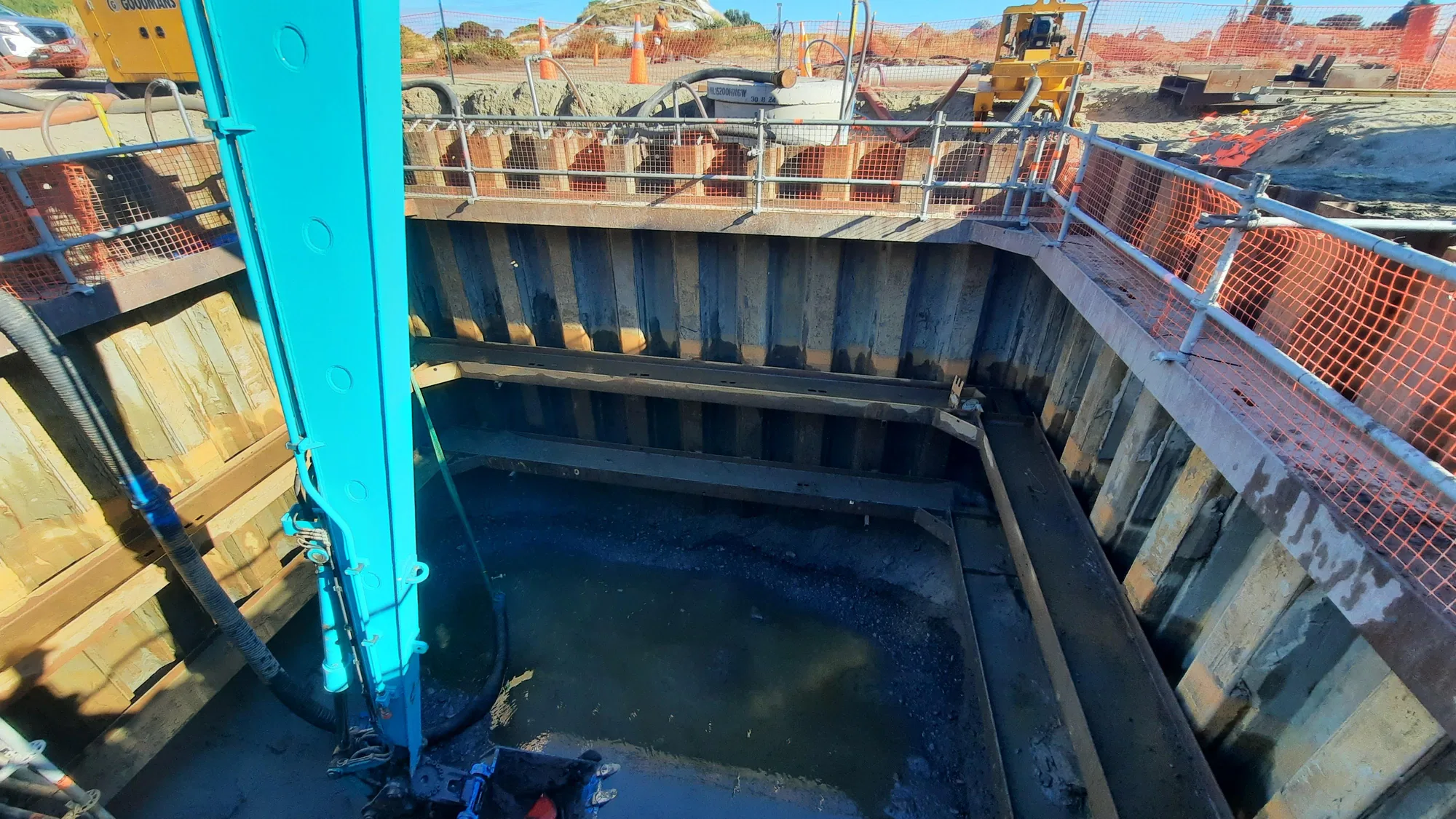
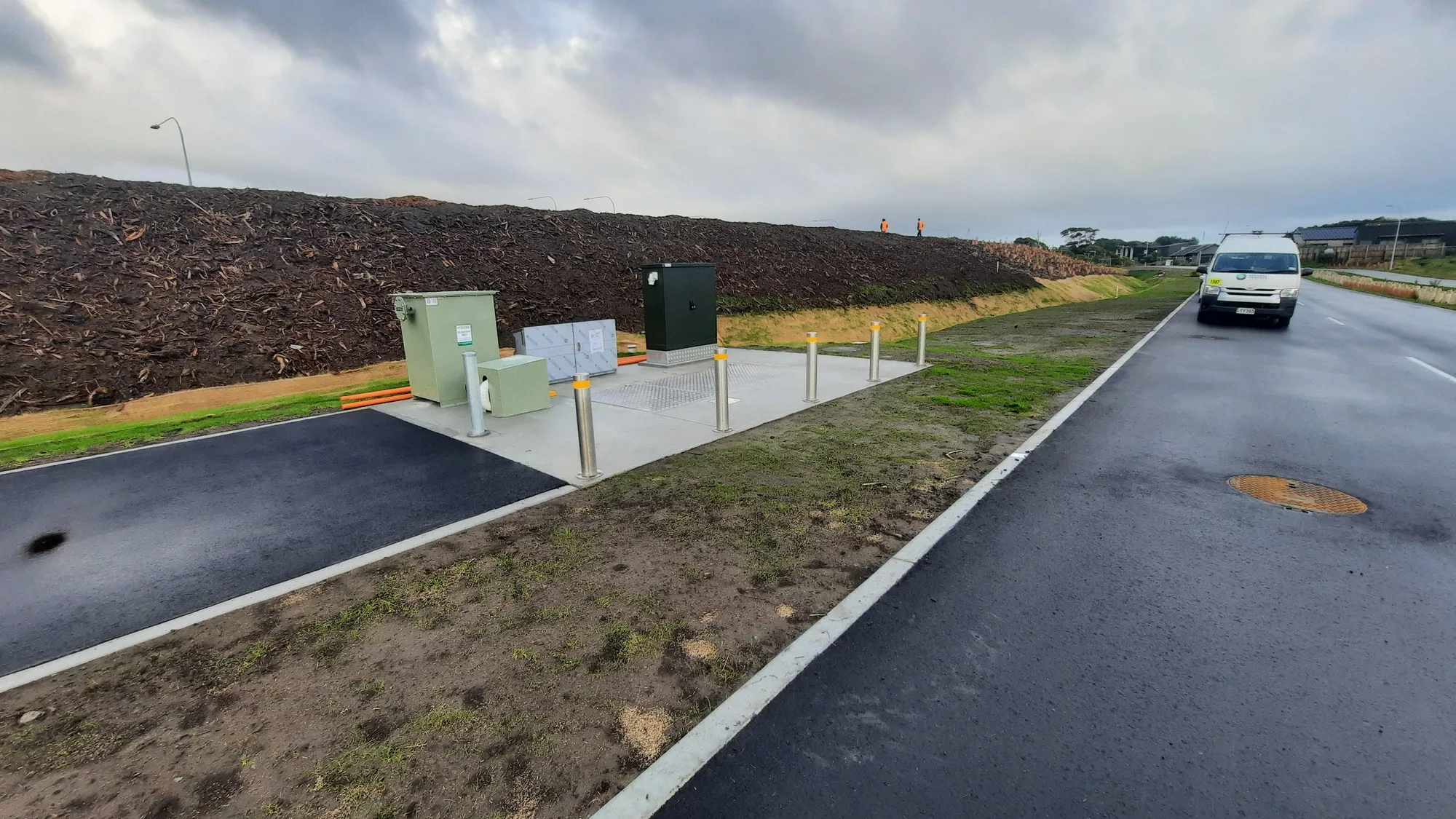
Wastewater attenuation buffers peak flows from a development before they reach the public network - preventing surcharging of downstream infrastructure during wet weather events. Overflow management provides controlled relief for extreme events, protecting public health and the receiving environment. Both are increasingly required by Wellington Water in areas where the existing network operates at or near capacity during wet weather.
Many parts of Wellington's wastewater network experience capacity pressure during wet weather, when groundwater and surface water infiltrate ageing pipes and overwhelm pump stations. Connecting a new development without addressing its contribution to those peak flows can be a condition of Wellington Water's approval - and in some areas, connection will not be granted without attenuation. Without proper overflow management, uncontrolled overflows reach waterways - a serious environmental and public health issue with significant regulatory consequences.
We carry out network capacity assessments to understand the receiving system's available headroom and determine the attenuation volume required. We design buffer storage systems - underground tanks, lined wetlands, or purpose-built vessels - and size outlet controls for the specified peak flow allowance. For overflow management, we design containment and diversion systems that meet regional council environmental standards. Our designs are developed in close liaison with Wellington Water's development engineering team, whose concurrence is required before connection is permitted - so we engage them early rather than seeking approval at the end.